





Instrument Cables ShowdownShielded vs. Unshielded for Studio Professionals
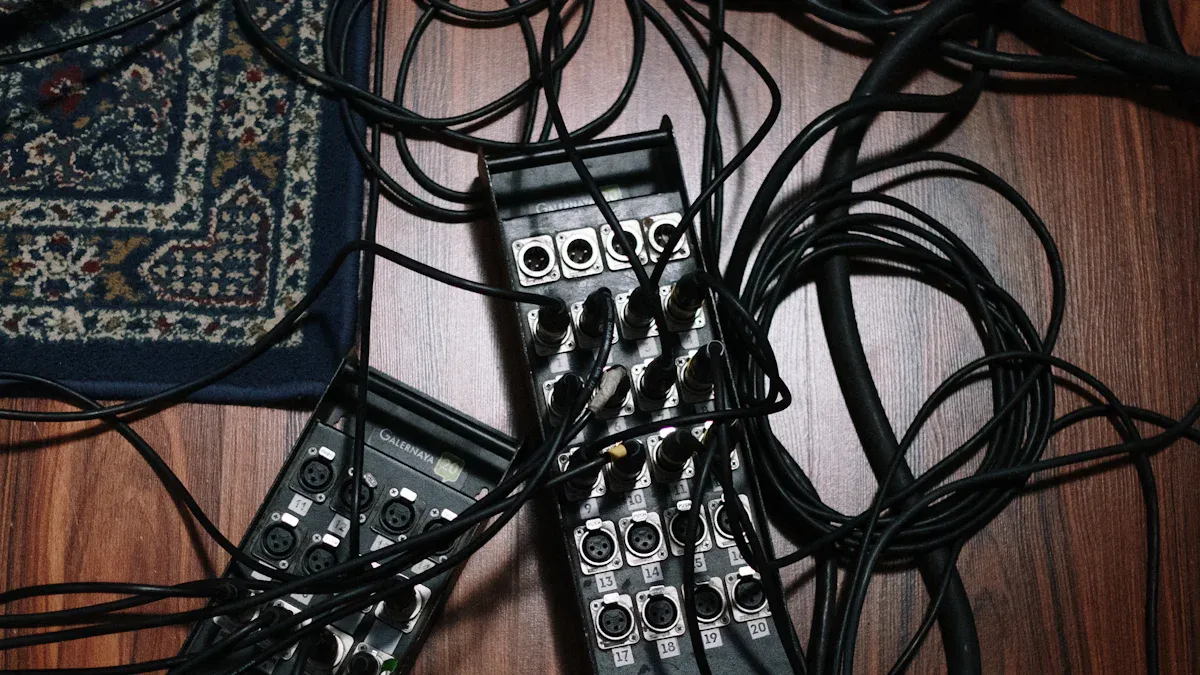
Studio professionals rely on shielded instrument cables for clean recordings. Shielded designs reduce noise by up to 7dB, making them essential for guitar cables and keyboard cables. Advanced shielding in premade cables ensures strong signal integrity, while unshielded options often allow interference that disrupts the recording process.
Key Takeaways
- Shielded instrument Cables blocknoise and interference, ensuring clean, clear audio in busy studio environments.
- UnShielded Cables work in quiet settings but often pick up hum and buzz in professional studios with many electronic devices.
- Proper cable choice, length, and management help maintain sound quality and reduce signal loss during recordings.
Instrument Cables: Shielded vs. Unshielded Explained
Shielded Instrument Cables Overview
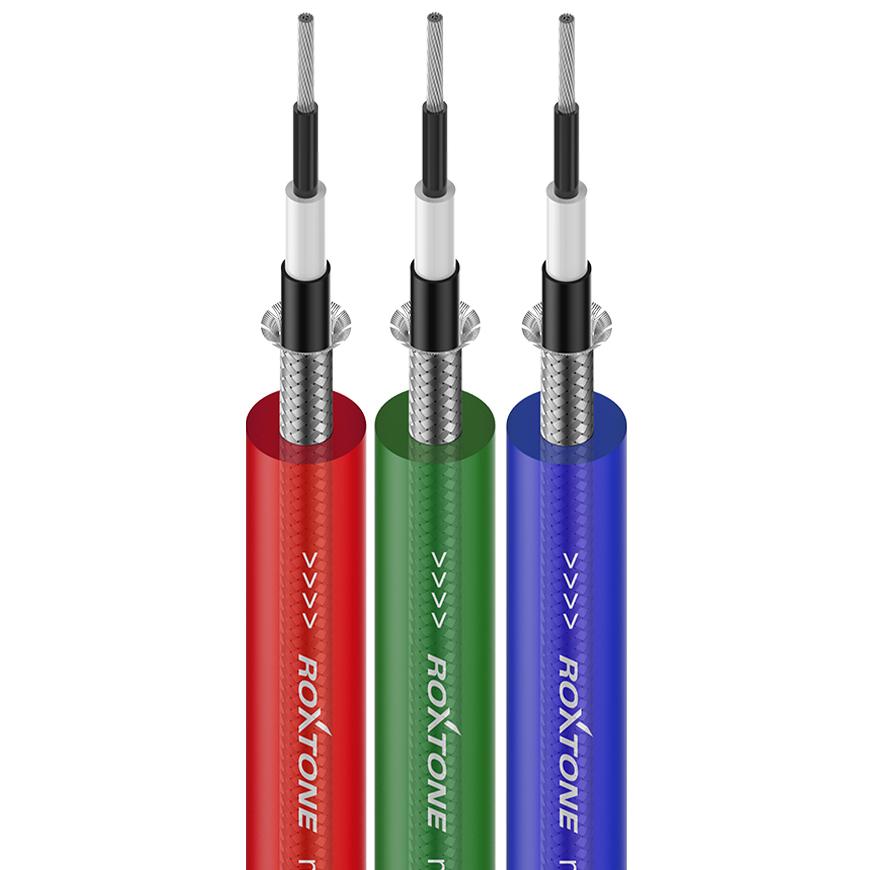
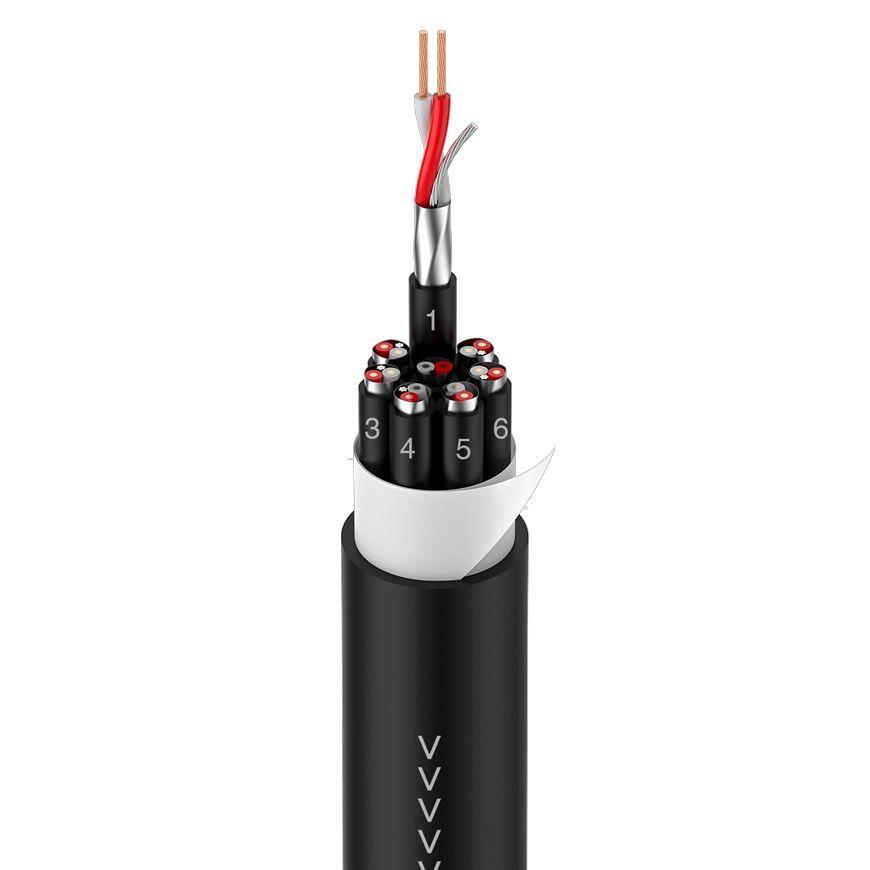
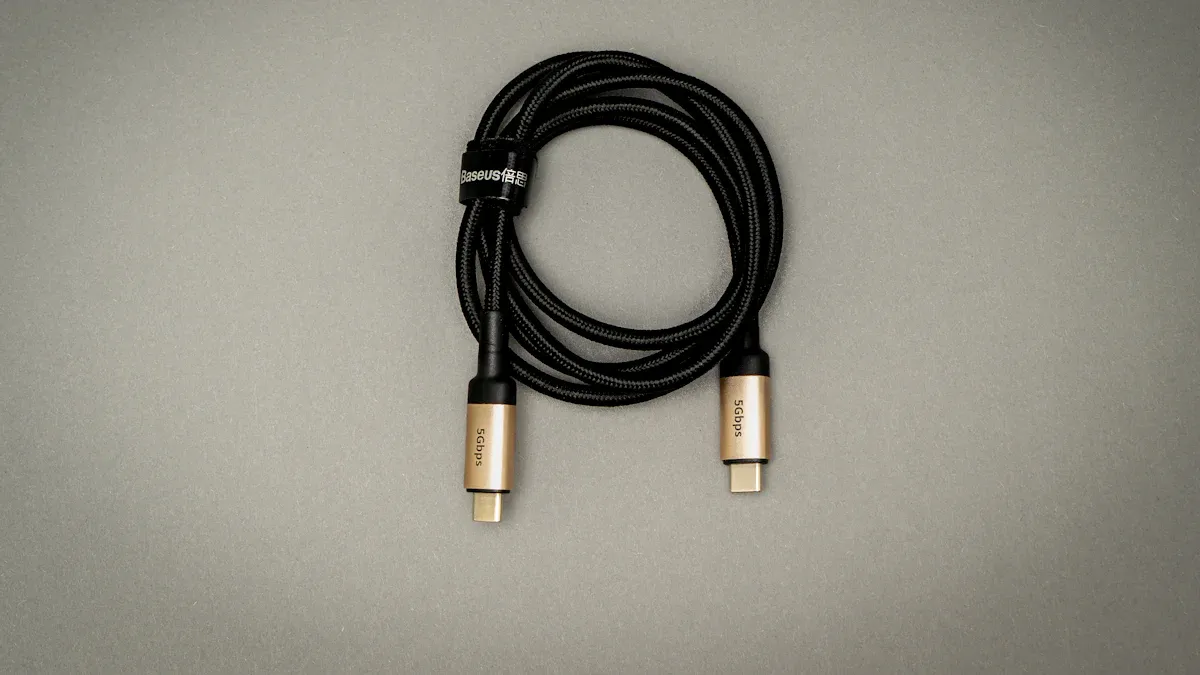
Shielded instrument cables use layers of conductive material, such as foil or braided metal, to block electromagnetic interference (EMI) and radio frequency interference (RFI). These cables often include a tinned copper drain wire and a durable outer jacket. Industry standards like TIA/EIA-568A and ISO/IEC 11801 specify minimum requirements for shield construction and performance. Shielded cables maintain signal integrity in environments with high electrical noise, making them ideal for professional studios. For example, the Super-Trex® VFD Shielded Cable uses an aluminum/polyester foil shield and a tinned drain wire to provide 100% protection against EMI and RFI. This design ensures low noise and reliable audio transmission.
Unshielded Instrument Cables Overview
Unshielded instrument cables lack a metallic shield. Instead, they rely on twisted pair construction to reduce interference. This method works in low-noise environments but struggles in studios filled with electronic equipment. Research shows that unshielded cables can pick up hum, buzz, and hiss from nearby lights, dimmer switches, and other cables. These noises reduce the dynamic range and clarity of recordings. While unshielded cables are common and cost-effective, their performance drops in professional audio settings where noise control is critical.
Construction Differences in Instrument Cables
| Feature | Shielded Instrument Cables | Unshielded Instrument Cables |
|---|---|---|
| Shielding | Foil, braid, or both; blocks EMI/RFI | None; relies on wire twisting |
| Signal Integrity | High, even in noisy environments | Lower in high-noise areas |
| Durability | Enhanced by shielding and robust jackets | Flexible, but less protected |
| Typical Use | Studios, industrial, mission-critical applications | Basic setups, low-noise environments |
- Shielded cables require proper installation, including grounding and shielded connectors, to maximize effectiveness.
- Unshielded cables offer flexibility and are suitable for portable setups, but they do not protect against interference as well as shielded options.
Instrument Cables and Studio Noise Control
Noise Reduction Benefits of Shielded Instrument Cables
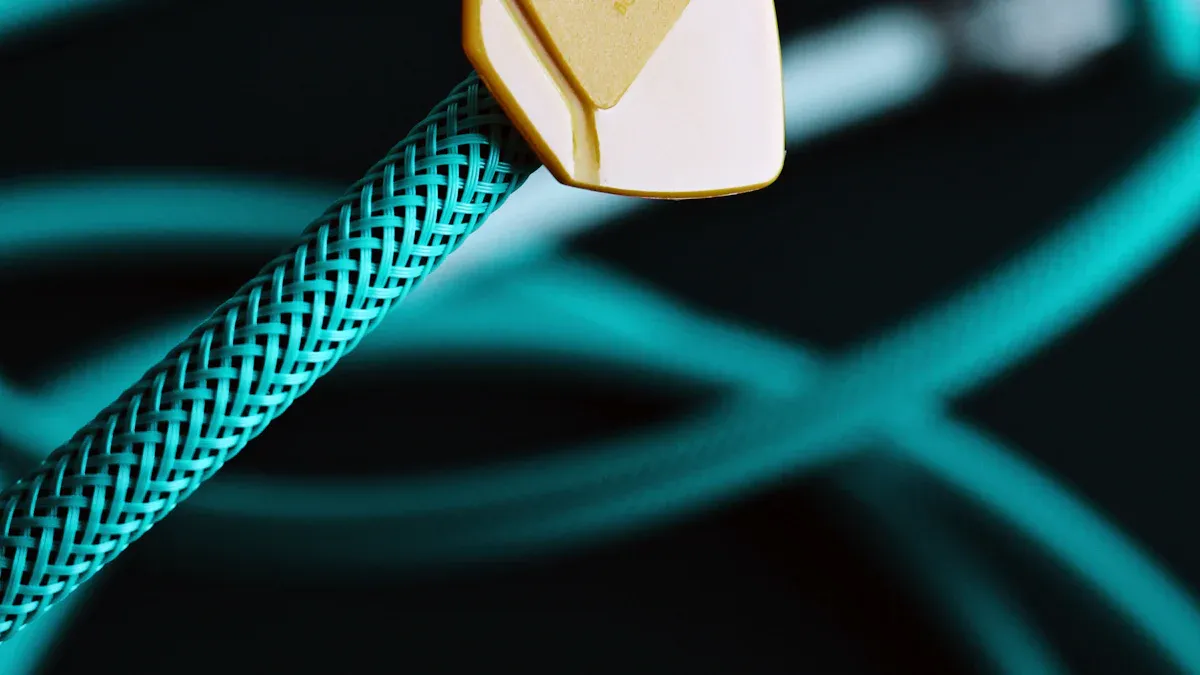
Shielded instrument cables play a vital role in reducing unwanted noise in studio environments. Engineers often encounter interference from electronic devices, lighting systems, and radio frequencies. Shielded designs use conductive layers to block these sources of noise. A practical test compared an unshielded tri-twist cable with a shielded cable connected to a Project DS2 phono stage. The shielded cable produced a much lower noise floor, especially in low-level signal applications like connecting a turntable to a preamp. This result demonstrates that shielding effectively lowers background noise, allowing for cleaner audio recordings. Studio professionals rely on this technology to capture every detail of an instrument without interference.
Tip: Always use shielded cables for critical recording paths to maintain the lowest possible noise floor.
Signal Integrity in Studio Environments
Signal integrity remains a top priority in professional studios. Shielded cables help preserve the original sound by preventing signal loss and distortion. When multiple electronic devices operate in close proximity, unshielded cables can introduce hum and buzz into the audio path. Shielded instrument cables maintain clarity and dynamic range, even during long cable runs or in rooms filled with gear. This reliability ensures that artists and engineers hear the true sound of their instruments. Consistent signal quality leads to better mixing decisions and higher-quality final recordings.
Instrument Cables: Pros and Cons in Studio Use
Shielded Instrument Cables: Advantages
Shielded instrument cables offer strong protection against electromagnetic interference. These cables use special shields, such as foil or braided metal, to block unwanted signals from entering the cable. The shield reflects and absorbs interference, sending it safely to ground. This design keeps the audio signal clean and clear, even in busy studio environments filled with electronic equipment. Spiral shields provide flexibility and cover most of the cable, making them effective for low-frequency noise. Shielded cables also prevent interference between power and signal lines inside the same cable. This feature becomes critical when handling low-level analog signals, where even small amounts of noise can ruin a recording. ROXTONE, a trusted name in professional audio, manufactures shielded cables that meet these high standards. Their products help studios maintain signal integrity and deliver reliable performance session after session.
Note: Shielded cables work best in studios with lots of electronic gear, where interference is common.
Shielded Instrument Cables: Disadvantages
- Shielded cables can sometimes make the sound dull or lifeless, especially when compared to unshielded cables.
- The shielding adds capacitance, which may affect the quality of the audio signal.
- These cables show the most benefit in places with high levels of radio frequency or electromagnetic interference.
- In quiet environments, unshielded cables might sound more open and lively.
- The impact of shielding depends on the specific audio system and the room.
- Too much or improper shielding can reduce detail and make the sound less clear.
- Some cables use special shielding materials to avoid these problems, but traditional foil or braided shields often come with trade-offs.
- Phono cables need shielding because they are very sensitive, but other types of cables may not.
- Shielding should connect to ground only at the source to prevent noise issues.
- Speaker cables are usually unshielded, but sometimes shielding helps reduce noise from antenna effects.
Unshielded Instrument Cables: Advantages
| Aspect | Unshielded Instrument Cables Advantages |
|---|---|
| Cost | Lower cost compared to shielded cables |
| Installation | Faster installation, less effort and space required |
| Flexibility | More flexible, easier to route |
| Diameter | Smaller diameter, saving space |
| Grounding | No need for grounding |
| Electromagnetic Interference (EMI) | Suitable for environments with low EMI and less network traffic |
| Recommended Applications | Ideal for home LANs, small office networks, and low-traffic systems |
Unshielded cables offer a simple and affordable solution for basic setups. They are easy to install and move, making them a good choice for temporary or portable systems. Their small size and flexibility help when space is limited.
Unshielded Instrument Cables: Disadvantages
- Unshielded cables pick up more electromagnetic interference and crosstalk, especially in studios with many noise sources.
- Simulations and tests show that unshielded cables have much higher noise levels than shielded ones.
- Without shielding, outside electromagnetic fields can create noise in the signal wires, lowering audio quality.
- These cables do not protect against sudden interference, such as static electricity or electromagnetic pulses, which can damage equipment.
- Twisting the wires helps a little, but does not fully stop noise, especially if the wires are not perfectly balanced; even a small imbalance can make noise much worse.
- Shielded cables use special barriers to block noise, but unshielded cables lack this protection.
- Different shield types block different kinds of noise, but unshielded cables cannot offer this benefit.
- Tests confirm that shielded cables keep noise very low, while unshielded cables often let in a lot of interference.
- In studios, where many electronic devices operate at once, unshielded cables can cause signal loss and poor sound.
Tip: For professional studios, shielded cables from companies like ROXTONE help avoid these risks and keep recordings clean.
Instrument Cables in Real-World Studio Scenarios
Performance Near Studio Electronics
Studio environments contain many electronic devices. These devices can create electromagnetic and electrostatic interference. Studies and manufacturer reports show that cable placement affects signal quality. When unshielded cables run close to studio electronics, crosstalk levels can reach between -31 dB and -21 dB. This happens when cables are spaced 2 to 6 inches apart and carry AC signals. Theories like Maxwell's equations and Faraday's Law explain how interference travels. Shielded cables can reduce interference by 20 to 60 dB. However, shielding does not remove all noise. Engineers recommend keeping at least 2 inches between cables and 5 to 6 inches from solid surfaces. This practice lowers the risk of RF noise and helps maintain clean audio.
Tip: Careful cable placement and using shielded cables together provide the best protection against studio interference.
Long Cable Runs and Signal Loss
Long cable runs often cause signal loss and noise. In studios, cables may stretch across rooms or between racks. Shielded cables help preserve signal strength over distance. They block outside interference and keep the audio clear. Unshielded cables lose more signal and pick up more noise as the length increases. For best results, studios should use the shortest cable possible and choose shielded designs for longer runs.
| Cable Type | Signal Loss (Short Run) | Signal Loss (Long Run) | Noise Resistance |
|---|---|---|---|
| Shielded | Low | Moderate | High |
| Unshielded | Moderate | High | Low |
Durability and Handling in Daily Studio Use
Studio cables face daily wear and tear. Shielded cables often have thicker jackets and stronger construction. This design protects the cable from bending, pulling, and foot traffic. Unshielded cables may offer more flexibility but can break or fail faster. Studios benefit from cables that withstand frequent setup and teardown. Proper coiling and storage also extend cable life.
Note: Investing in durable, shielded cables reduces downtime and replacement costs in busy studios.
Instrument Cables: Recommendations for Studio Professionals
Choosing the Right Instrument Cables for Your Studio
Studio professionals should consider several technical factors when selecting cables.
- Adequate shielding remains essential for preserving sound quality and blocking interference. Braided shielding offers the highest coverage, protecting up to 95% of the signal.
- Cable length should stay under 25 feet to reduce the risk of noise and signal loss.
- The American Wire Gauge (AWG) rating matters. Lower AWG numbers mean thicker cables, which carry signals with less resistance.
- Different equipment needs different cable thickness. For example, Speaker Cables often use 12 AWG, while interconnect cables may use 24 AWG.
- High-quality conductor materials, such as oxygen-free copper, improve conductivity and durability.
- Studio cables are unbalanced, with a signal wire and a ground wire, so proper shielding and grounding are critical.
Tip: Choose cables with braided shielding and oxygen-free copper for the best performance in demanding studio environments.
Best Practices for Instrument Cable Management
Organized cable management keeps studios safe and efficient.
- Secure cables with velcro ties, not zip ties, to allow easy changes and prevent damage.
- Use cable covers for floor runs to avoid tripping hazards.
- Plan cable routes to minimize crossovers and interference.
- Color-code and label cables for quick identification.
- Keep at least 6 inches between power and audio cables to reduce noise.
- Use the over-under coiling method to prevent kinks and extend cable life.
- Leave some slack at connection points to avoid strain.
- Schedule regular maintenance checks and document cable layouts for future reference.
- Employ cable trays, clips, and grommets for neat routing and protection.
Note: Following these practices aligns with industry standards and helps maintain a professional, clutter-free studio.
Studio professionals achieve the best results with shielded cables. High-density shielding and durable connectors prevent noise and interference. These features protect signal clarity and ensure accurate sound capture. Investing in quality cables supports a seamless workflow and delivers professional-grade recordings every session.
By: Roxtone
Tel: +86 574 87154705
Fax:+86 574 56138190
E-mail: [email protected]
Facebook: Roxtone
Youtube: Roxtone
X: Roxtone