





What type of cable is used for microphones?
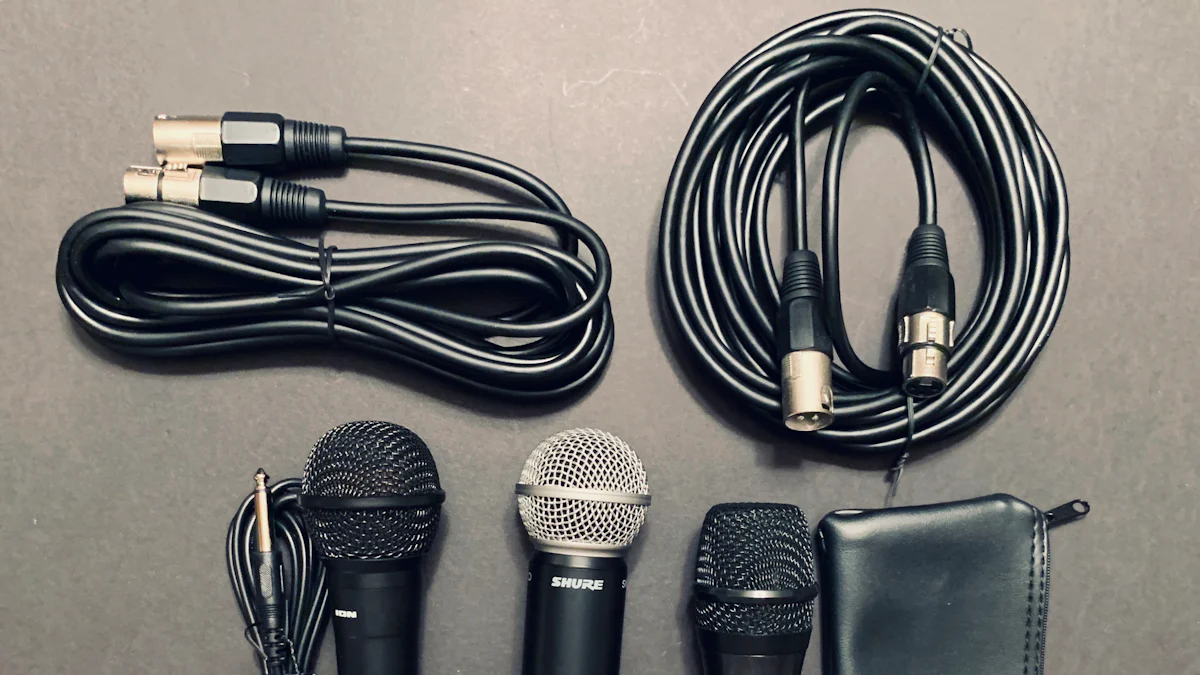
Xlr Cables dominate the audio industry as the preferred choice for microphones. Their balanced design ensures superior noise reduction, making them ideal for professional environments. These cables also offer exceptional durability, maintaining performance over time. While unbalanced cables serve niche purposes, they lack the reliability and noise resistance thatmicrophone cables like XLR provide.
Key Takeaways
- XLR cables are best for microphones because they cut noise and give clear sound.
- When picking a microphone cable, look for strong build, good shielding, and low capacitance to keep sound clear.
- Taking care of microphone cables, like coiling and cleaning them, helps them last longer and work better.
Key Features of Microphone Cables
Balanced Design and Noise Reduction
Balanced Microphone cables play a crucial role in delivering clear audio signals. These cables use three conductors: two for the signal and one for grounding. This design cancels out unwanted noise by rejecting interference from external sources. Professionals rely on this feature to maintain sound quality in environments with high electromagnetic activity. Balanced cables ensure that audio remains free from hums or static, even over long distances.
3-Pin XLR Configuration and Signal Integrity
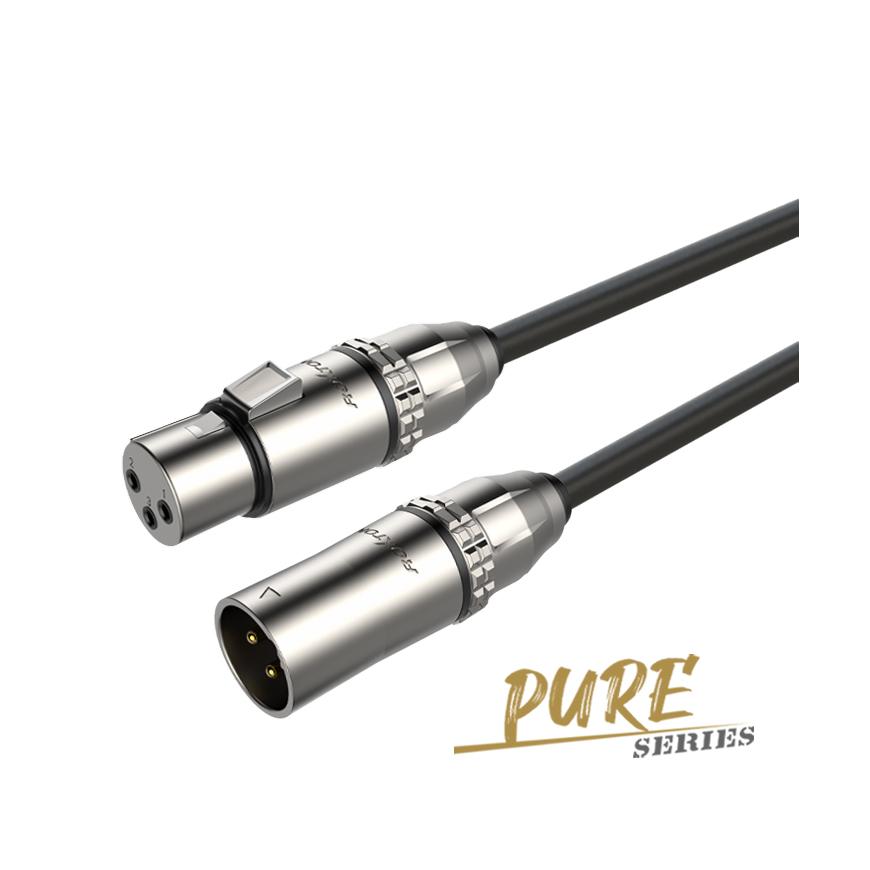
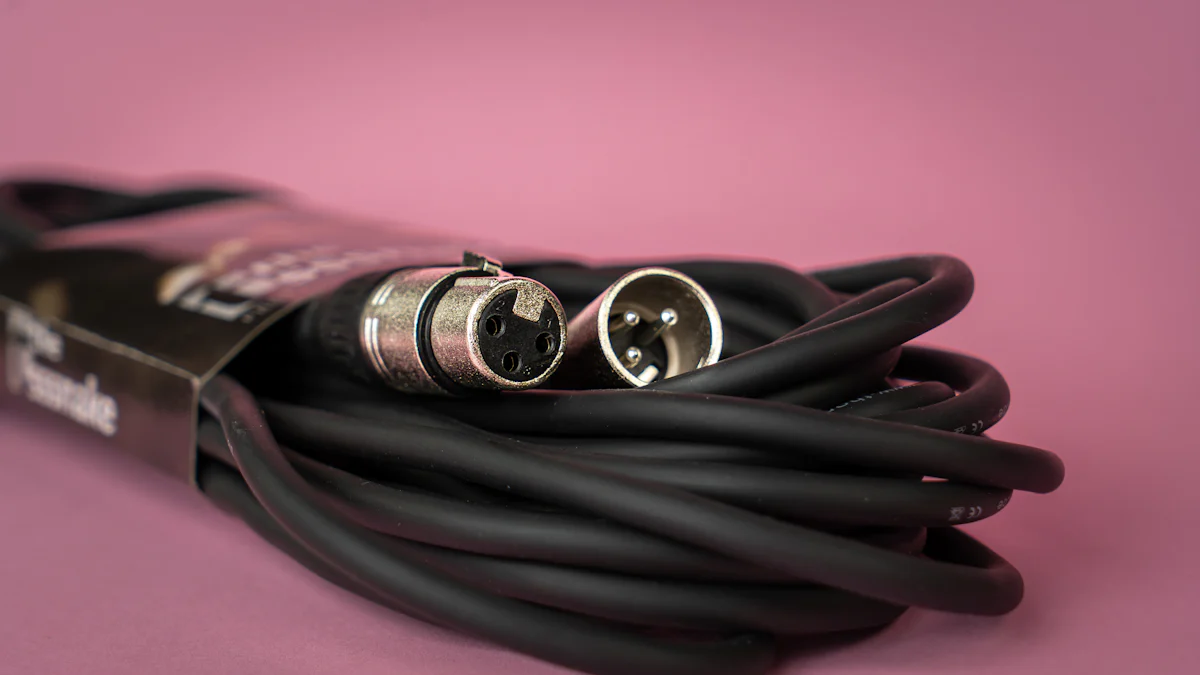
The 3-pin XLR configuration is a hallmark of professional microphone cables. Each pin serves a specific purpose: one for the positive signal, one for the negative signal, and one for grounding. This setup ensures that signals remain intact during transmission. The locking mechanism of XLR connectors prevents accidental disconnections, making them reliable for live performances and studio recordings. The robust design also enhances durability, ensuring consistent performance over time.
Compatibility with Professional Audio Equipment
Microphone cables, particularly those with XLR connectors, are designed to integrate seamlessly with professional audio equipment. They connect microphones to mixers, audio interfaces, and amplifiers without compromising signal quality. This compatibility ensures that users can achieve optimal sound reproduction in various settings. Whether in a recording studio or a live venue, these cables meet the demands of professional audio systems.
Anatomy of Microphone Cables
Conductors and Signal Transmission
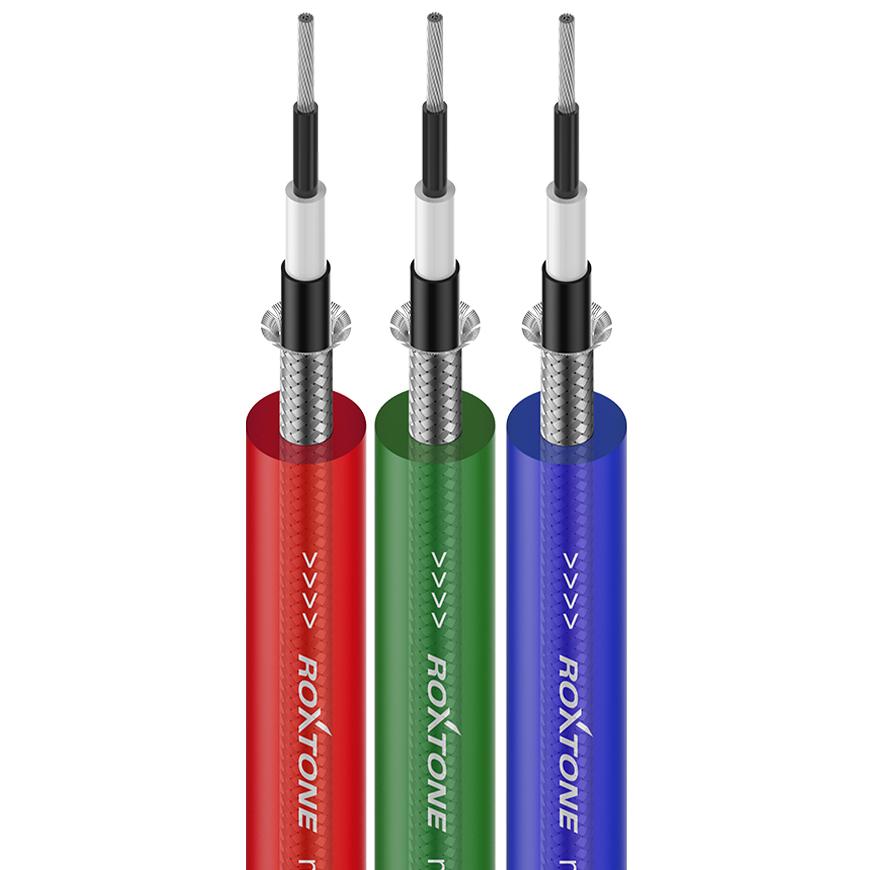
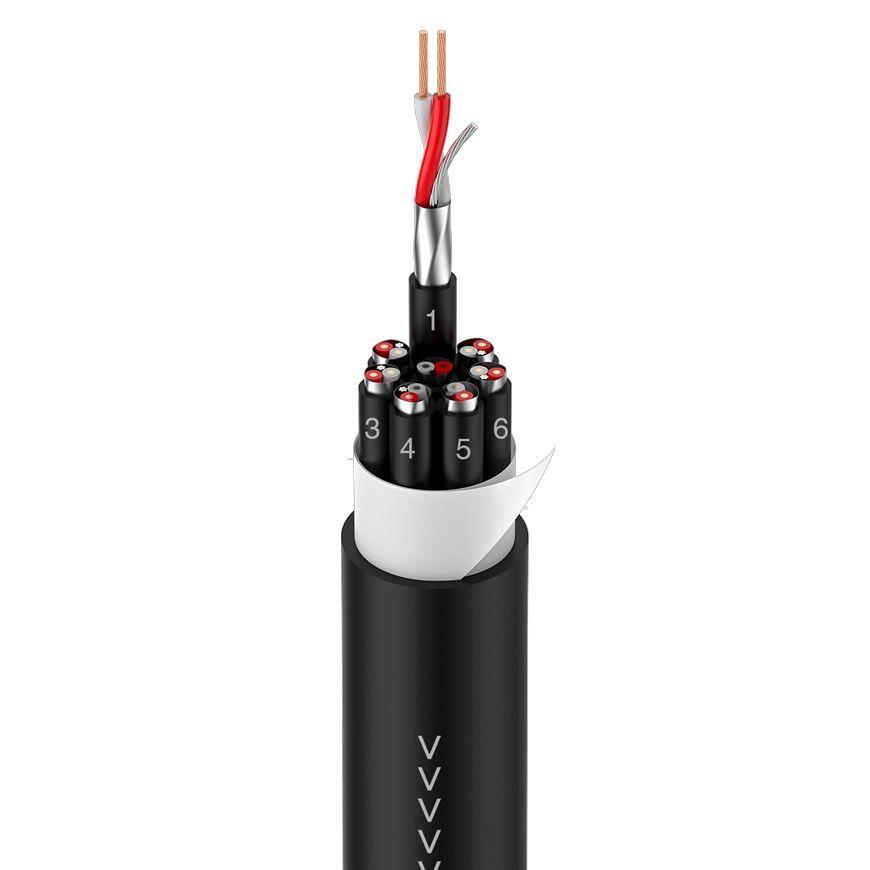
Conductors form the core of microphone cables, enabling the transmission of audio signals. High-quality cables use copper or oxygen-free copper conductors due to their excellent conductivity and minimal signal loss. These materials ensure that audio signals travel efficiently from the microphone to the connected device. Conductors are typically arranged in pairs for balanced cables, with one carrying the positive signal and the other the negative. This arrangement enhances signal clarity and reduces distortion. The quality of the conductor directly impacts the overall performance of the cable, making it a critical component in professional audio setups.
Shielding for Noise Protection
Shielding plays a vital role in protecting microphone cables from external interference. It surrounds the conductors and blocks electromagnetic and radio frequency interference (EMI/RFI). Common shielding materials include braided copper, aluminum foil, or a combination of both. Braided shields offer superior durability, while foil shields provide excellent coverage. Effective shielding ensures that the audio signal remains clean and free from unwanted noise. This feature is especially important in environments with high levels of electronic equipment, where interference can compromise sound quality.
Outer Jackets and Durability
The outer jacket of a microphone cable provides physical protection and enhances its durability. Manufacturers use materials like PVC or rubber to create flexible yet robust jackets. These materials resist wear and tear, ensuring the cable withstands frequent handling and harsh conditions. Outer jackets also protect the internal components from moisture, dust, and physical damage. A durable jacket extends the lifespan of the cable, making it a reliable choice for both studio and live performance settings. The combination of flexibility and toughness ensures that the cable remains functional even under demanding circumstances.
Choosing the Right Microphone Cable
Factors to Consider: Durability, Shielding, and Capacitance
Selecting the right microphone cable involves evaluating several critical factors. Durability ensures the cable withstands frequent use and harsh conditions. High-quality materials, such as PVC or rubber for the outer jacket, enhance longevity. Shielding is another essential consideration. Effective shielding protects the cable from electromagnetic interference, ensuring clean audio transmission. Braided copper or aluminum foil shields are common choices for professional-grade cables. Capacitance, which refers to the cable's ability to store electrical charge, also impacts performance. Lower capacitance values reduce signal loss, preserving audio clarity over long distances. These factors collectively determine the cable's reliability and sound quality.
Addressing Common Concerns with Microphone Cables
RF Interference and How to Avoid It
Radio frequency (RF) interference can disrupt audio signals, leading to unwanted noise in recordings or live performances. This issue often arises in environments with wireless devices, such as routers or cell phones. Shielding within microphone cables plays a critical role in minimizing RF interference. High-quality cables with braided or foil shielding provide better protection against these disruptions. Users can further reduce interference by keeping cables away from power lines and electronic devices. For optimal results, professionals recommend using balanced cables, as their design inherently rejects external noise.
Compatibility with Different Audio Equipment
Microphone cables must seamlessly connect with various audio devices, including mixers, amplifiers, and audio interfaces. XLR cables, due to their universal design, offer broad compatibility with professional equipment. However, users should verify the connector type and pin configuration of their devices before purchasing a cable. Adapters can bridge compatibility gaps when connecting to non-standard equipment. Ensuring proper connections prevents signal loss and maintains audio quality across different setups.
Tips for Maintaining Cable Performance
Proper care extends the lifespan of microphone cables and preserves their performance. Coiling cables correctly prevents internal damage and tangling. Avoiding sharp bends or excessive pulling reduces strain on the conductors and connectors. Cleaning the connectors periodically with a soft cloth removes dirt and ensures a secure connection. Storing cables in a dry, cool environment protects them from moisture and heat damage. Regular inspections help identify wear and tear early, allowing timely replacements to avoid performance issues.
XLR cables remain the gold standard for microphone cables, offering unmatched performance and reliability. Selecting the right cable requires attention to quality, durability, and equipment compatibility. Evaluating specific needs ensures the best choice for any application. Whether for professional studios or live events, investing in high-quality cables guarantees superior audio results.
FAQ
What is the difference between balanced and unbalanced microphone cables?
Balanced cables use three conductors to reject noise and interference, ensuring clear audio. Unbalanced cables, with two conductors, are more susceptible to noise and signal degradation.
Can XLR cables be used for other audio equipment?
Yes, XLR cables connect microphones, mixers, and amplifiers. Their universal design ensures compatibility with most professional audio devices, making them versatile for various applications.
How long can a microphone cable be without losing signal quality?
High-quality balanced cables, like XLR, maintain signal integrity up to 100 feet. Longer distances may require signal boosters or specialized cables to prevent degradation.
Tip: Always choose cables with proper shielding and durable materials to ensure optimal performance and longevity.