


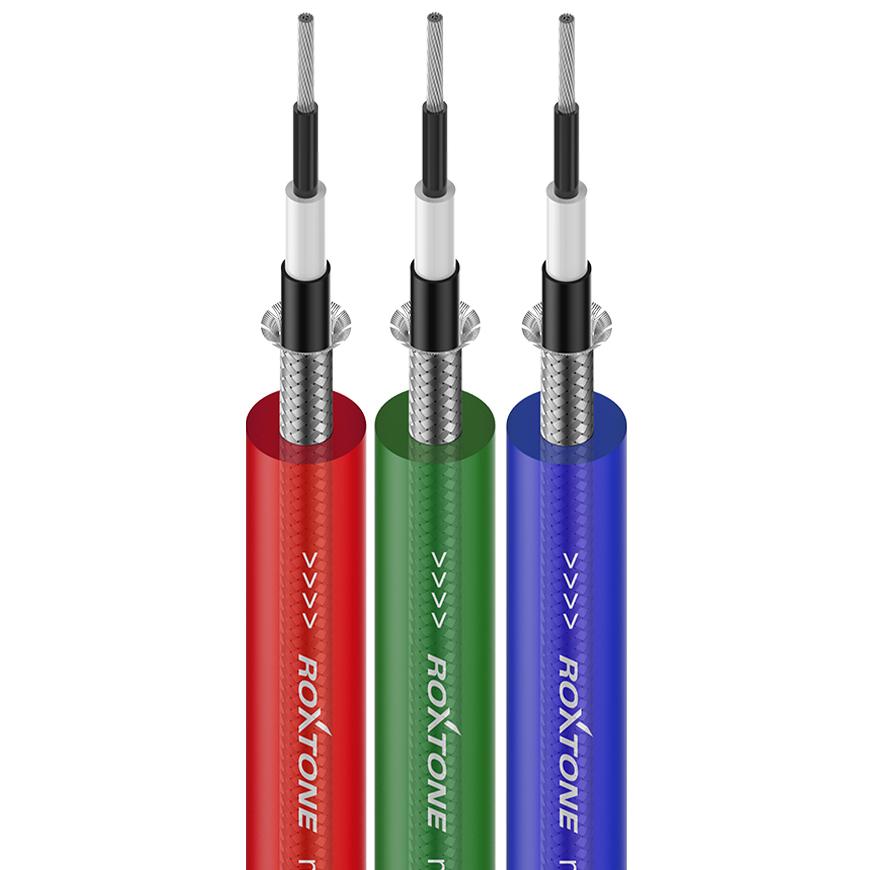
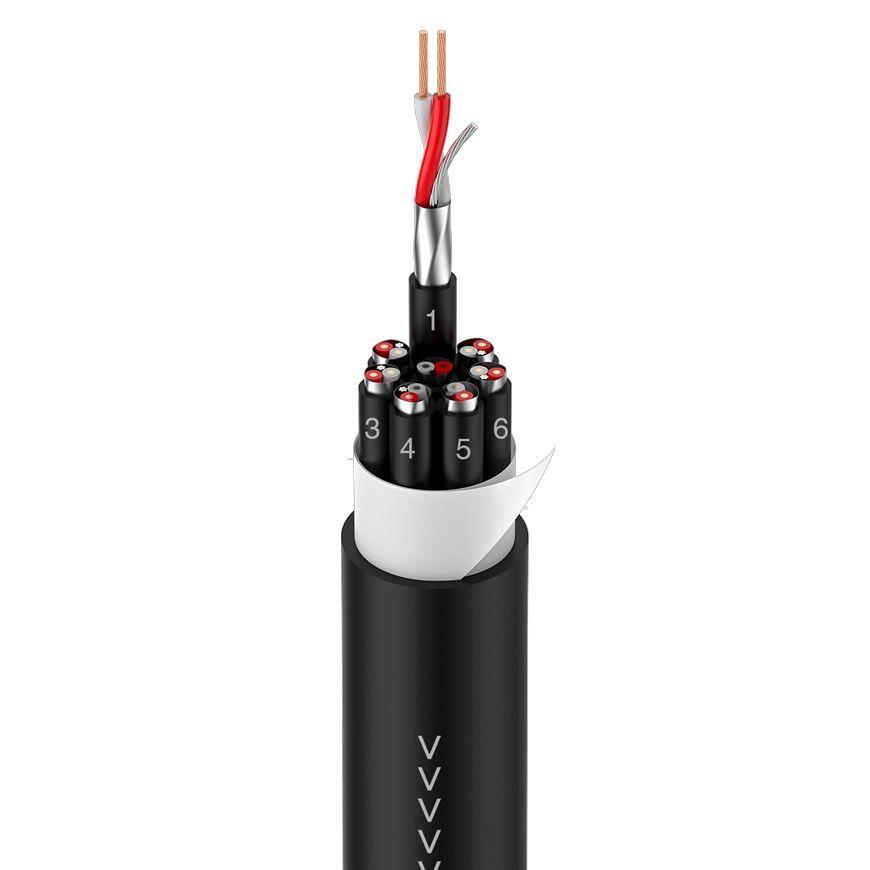


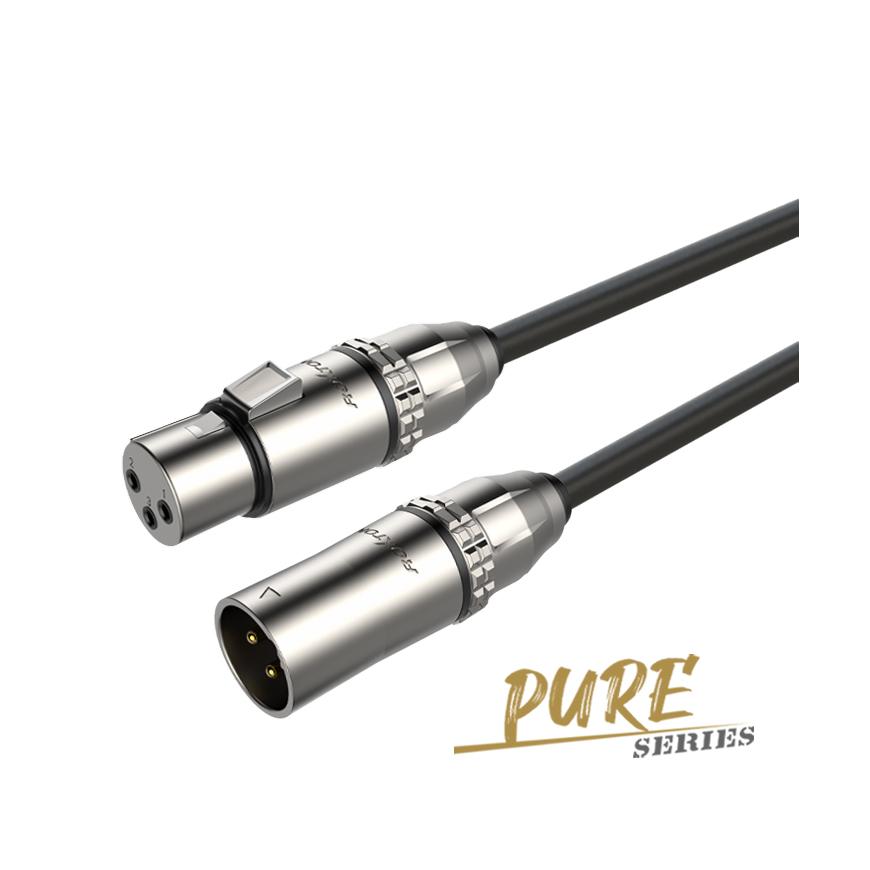

Using Adjustable XLR Connectors for Professional Cable Arrangements
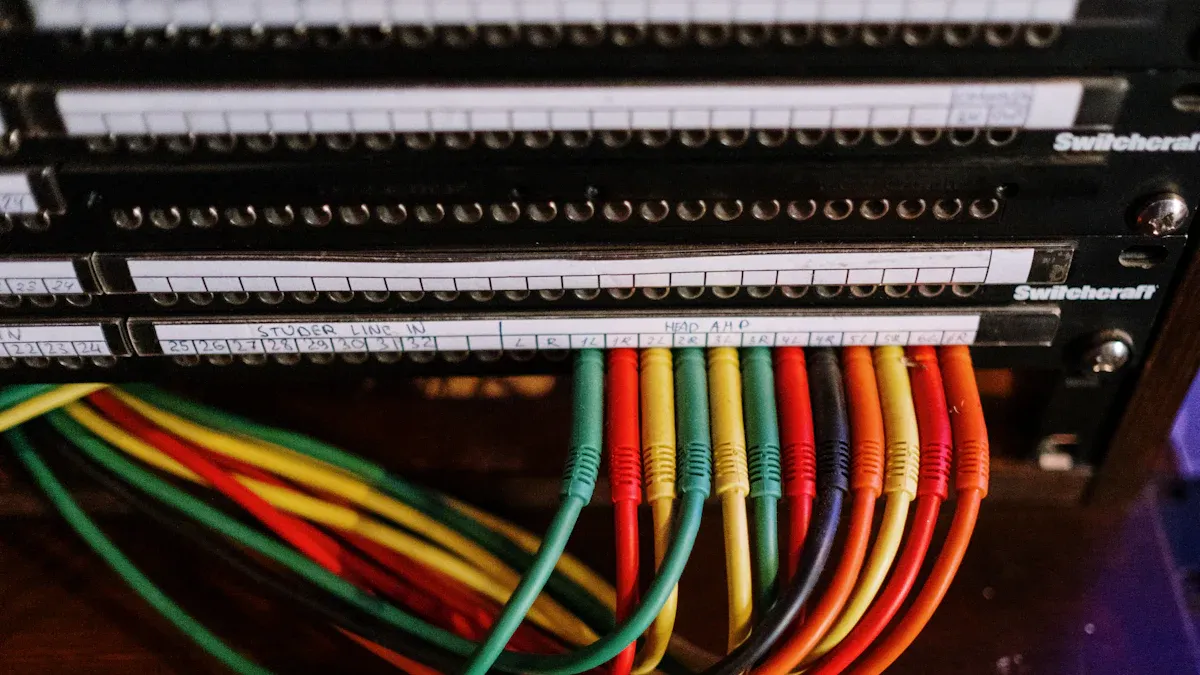
Proper cable management transforms cluttered setups into efficient workspaces.Adjustable XLR connectorsplay a pivotal role in achieving this transformation. These connectors allow users to modifY Cable orientations, ensuring seamless integration into any configuration. Fromangled XLR connectors to compact XLR connectors and flexible XLR connectors, their versatility optimizes space while preventing unnecessary strain. Miniature XLR connectors further enhance usability in tight spaces, making them indispensable in professional audio and video systems.
Key Takeaways
- Adjustable XLR connectorsmake setups easier and help organize Cables in small areas.
- These connectors lower cable stress, helping your audio and video gear last longer.
- Labeling and securing cables keeps things neat and stops them from unplugging, making setups look professional.
Benefits of Adjustable XLR Connectors
Enhanced Flexibility for Complex Setups
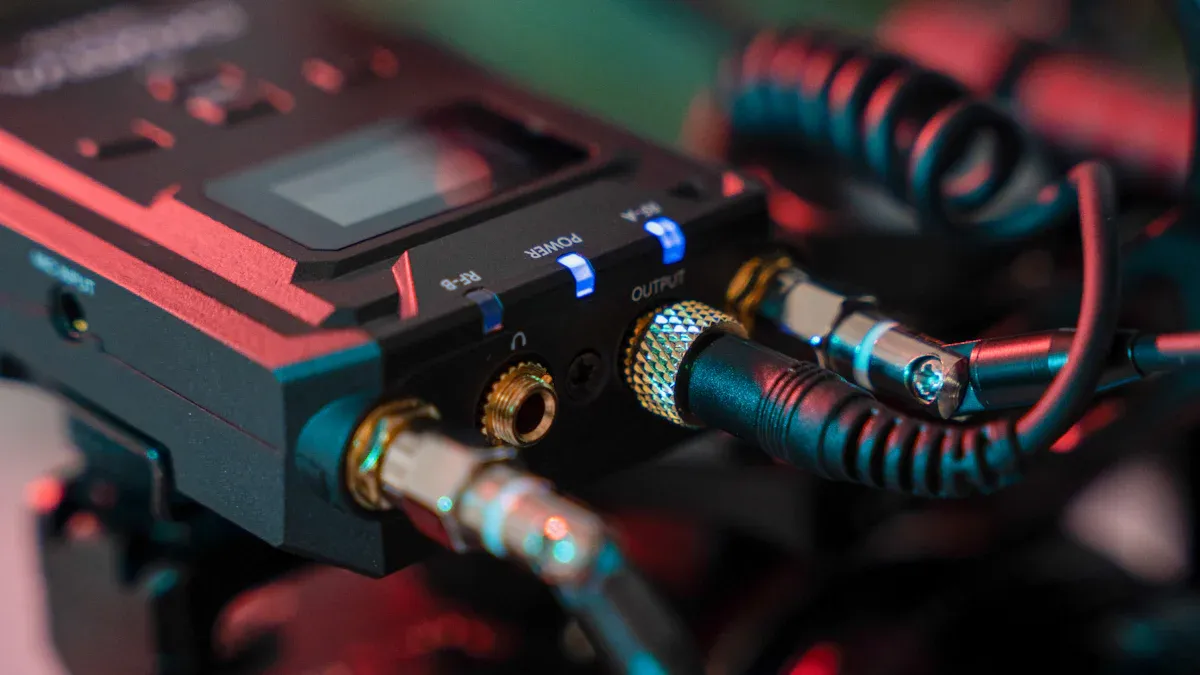
Adjustable XLR connectors provide unmatched adaptability in intricate audio and video configurations. Their ability to modify cable angles allows them to fit seamlessly into tight or unconventional spaces. For example, in a crowded recording studio, these connectors can redirect cables to avoid overlapping or tangling. This flexibility ensures that even the most complex setups remain organized and functional. Professionals working with multi-device systems, such as live sound engineers or video production teams, benefit greatly from this feature. By using adjustable XLR connectors, they can optimize their workspace without compromising performance.
Reduced Cable Strain and Extended Lifespan
Cables often experience wear and tear due to constant bending or pulling. Adjustable XLR connectors minimize this issue by allowing users to position cables at optimal angles. This reduces unnecessary strain on the connectors and the cables themselves. Over time, this simple adjustment can significantly extend the lifespan of expensive audio and video equipment. For instance, in live event setups where cables are frequently moved, these connectors help maintain the integrity of the wiring. By reducing stress points, they ensure consistent performance and reduce the need for frequent replacements.
Cleaner and Professional Appearance
A well-organized setup not only improves functionality but also enhances visual appeal. Adjustable XLR connectors contribute to a cleaner and more professional appearance by eliminating cable clutter. They allow cables to be routed neatly, creating a streamlined look that reflects professionalism. This is particularly important in environments such as broadcast studios or corporate events, where aesthetics play a crucial role. A tidy arrangement also makes troubleshooting easier, as cables can be identified and accessed quickly. With adjustable XLR connectors, achieving a polished and efficient setup becomes effortless.
How to Use Adjustable XLR Connectors Effectively
Selecting the Right Adjustable XLR Connectors
Choosing the appropriate adjustable XLR connectors is crucial for achieving optimal cable arrangements. Professionals should consider factors such as connector type, build quality, and compatibility with existing equipment. High-quality connectors ensure stable connections and reduce the risk of signal loss. For example, connectors with durable metal casings and gold-plated pins offer better conductivity and longevity.
When selecting connectors, users should also evaluate their specific setup requirements. Compact or angled connectors work well in tight spaces, while flexible connectors are ideal for dynamic environments like live events. Investing in reliable brands, such as ROXTONE, guarantees consistent performance and durability.
Tip: Always match the connector type (male or female) to the corresponding cable and device to avoid compatibility issues.
Adjusting Connectors for Optimal Cable Placement
Proper adjustment of connectors enhances cable placement and minimizes clutter. Users should position cables to avoid sharp bends or excessive tension, which can damage the wiring. Adjustable XLR connectors allow precise angle modifications, making it easier to route cables around obstacles or within confined spaces.
To optimize placement, professionals can follow these best practices:
- Keep cables away from power sources to prevent electromagnetic interference (EMI).
- Use symmetric configurations when arranging multiple cables to maintain balance and reduce vibrations.
- Select cable lengths that suit the setup to avoid unnecessary slack or tension.
| Method/Adjustment | Effectiveness | Notes |
|---|---|---|
| Dampers | Increases frequency by ~10% and damping ratio to ~0.37% | Effective for vibration mitigation |
| Surface Treatments | Shown effective in wind tunnel tests | Mitigates rain/wind-induced vibrations |
| Crossties | Less effective for out-of-plane oscillations | Should be used with dampers for better results |
These adjustments not only improve functionality but also enhance the overall appearance of the setup.
Securing Cables to Prevent Disconnection
Securing cables is essential to maintain stable connections and prevent accidental disconnections. Adjustable XLR connectors should be tightened properly to ensure a secure fit. Loose connections can lead to signal interruptions or audio distortion, which can disrupt professional operations.
To secure cables effectively, professionals can use cable ties or straps to bundle cables neatly. This prevents tangling and reduces the risk of accidental pulls. Regular inspections help identify loose connections or damaged cables early, ensuring consistent performance.
Note: Educating team members on proper handling and storage of cables can further reduce wear and tear. Encourage them to report any issues promptly for timely resolution.
By following these steps, users can maximize the benefits of adjustable XLR connectors and maintain a professional-grade setup.
Expert Tips for Professional Cable Management
Labeling and Organizing Cables
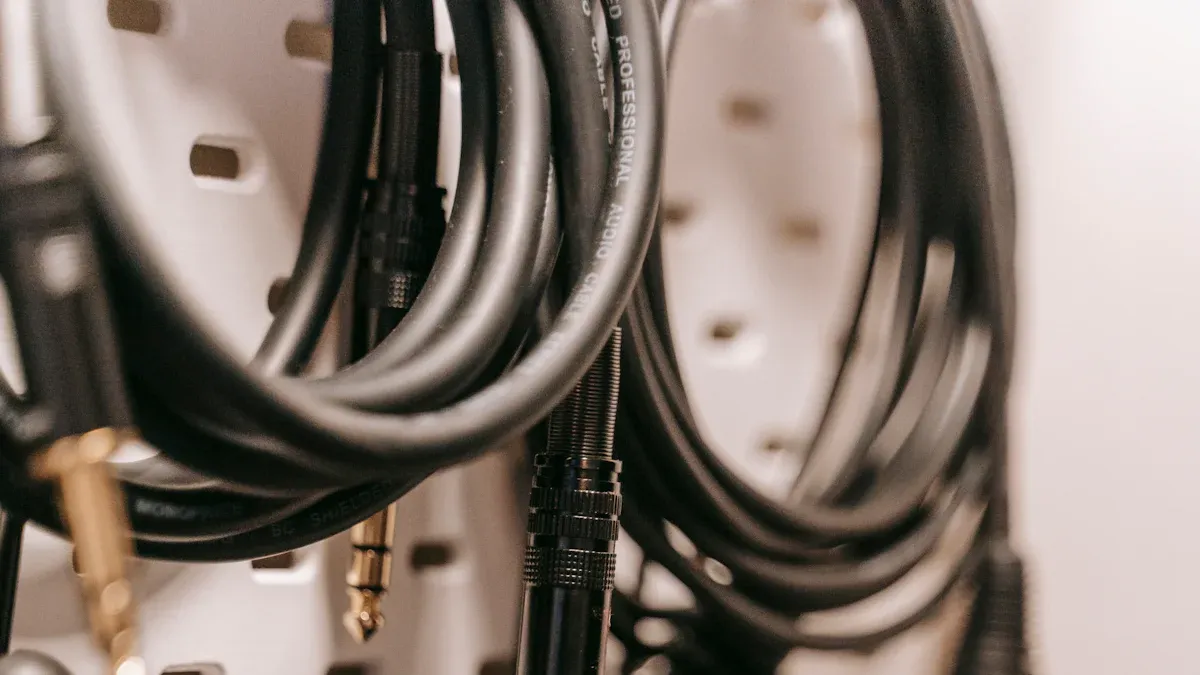
Proper labeling is a cornerstone of professional cable management. Experts recommend labeling cables at both ends to simplify identification during setup or troubleshooting. This practice ensures that cables remain organized and easy to trace, even in complex systems. For instance, in telecom infrastructure, clear labeling enhances network performance by reducing the time spent locating specific connections. Similarly, in audio-visual setups, labeled cables streamline maintenance and minimize downtime.
To implement this effectively, professionals can use color-coded labels or printed tags. These tools help distinguish between different cable types and functions. Organizing cables into logical groups, such as by device or signal type, further enhances efficiency.
Tip: Always use durable, legible labels that can withstand wear and tear in demanding environments.
Using Cable Ties and Management Tools
Cable ties are indispensable for maintaining neat and secure arrangements. Their ratchet mechanism provides a firm grip, making them ideal for bundling cables in dynamic setups. Available in various sizes and strengths, cable ties accommodate diverse needs, from small studio setups to large-scale installations. Their affordability and ease of use make them a preferred choice among professionals.
Other tools, such as cable sleeves and clips, complement cable ties by offering additional organization options. These tools prevent tangling and ensure cables remain accessible. For optimal results, professionals should select tools based on the specific requirements of their setup.
Regular Maintenance for Long-Term Organization
Sustaining an organized system requires consistent maintenance. Quarterly reviews help identify and address issues such as loose connections or inactive cables. Removing unused cables improves airflow and reduces cooling strain, extending the lifespan of equipment. Maintaining a live database of cable documentation ensures quick access to critical information during upgrades or repairs.
Following industry standards, such as TIA/EIA-568 and ISO/IEC 11801, ensures compatibility and efficiency in cable management systems.
Adjustable XLR connectors simplify professional cable arrangements by offering flexibility and durability. Their benefits, combined with proper usage and expert tips, create efficient and visually appealing setups. ROXTONE provides reliable options for professionals seeking high-quality solutions. These connectors enhance organization, reduce strain, and ensure long-term performance in audio and video systems.
FAQ
What makes adjustable XLR connectors different from standard XLR connectors?
Adjustable XLR connectors allow users to modify cable angles for better placement. This feature enhances flexibility and reduces strain compared to standard fixed-angle connectors.
Can adjustable XLR connectors handle heavy-duty professional use?
Yes, high-quality adjustable XLR connectors, like those from ROXTONE, are designed for durability. They withstand demanding environments, ensuring reliable performance in professional audio and video setups.
How do I maintain adjustable XLR connectors for long-term use?
Regularly inspect connectors for wear, clean contact points with a soft cloth, and store them in a dry, dust-free environment to ensure optimal performance and longevity.