





How Microphone Stands Reduce Noise and Enhance Sound Quality
Microphone stands play a critical role in delivering professional-grade audio. By isolating a microphone from external vibrations, they reduce unwanted noise and improve clarity. Features like a telescopic boom allow precise adjustments, ensuring optimal sound capture. Even a heavy-duty table microphone stand enhances stability, minimizing disturbances during recording or live performances.
Key Takeaways
- Microphone stands cut down noise by stopping vibrations, making sound clearer.
- Strong stands stop handling noise, so performers can focus better.
- Using stands helps place microphones right, keeping sound clear and steady.
How Microphone Stands Reduce Noise
Vibration Isolation for Clearer Audio
Vibrations can significantly impact the clarity of audio recordings. Microphone stands play a crucial role in isolating microphones from these disturbances. By using high-quality shock mounts, they reduce the transfer of vibrations from surfaces or equipment to the microphone. This isolation minimizes unwanted noise, ensuring a cleaner audio signal.
Technical measurements highlight the importance of vibration isolation. For instance:
- Equivalent SPL per G measures a microphone's sensitivity to vibrations.
- Vibrated microphones typically produce an equivalent SPL of 55-105 dB SPL/m/s², meaning a vibration of 1 m/s² generates a signal comparable to a sound source at 55-105 dB.
- High-quality shock mounts can significantly lower this impact, preserving the microphone's performance.
By addressing these technical challenges, microphone stands ensure that vibrations do not compromise sound quality, making them indispensable for professional audio setups.
Stability to Minimize Handling Noise
Handling noise often arises when microphones are moved or adjusted during use. Microphone stands eliminate this issue by providing a stable platform. Unlike handheld microphones, which pick up subtle movements, stands keep the microphone stationary. This stability prevents the transmission of handling noise, such as bumps or rustling sounds, into the recording.
For live performances or studio sessions, this feature proves invaluable. Musicians and speakers can focus on their craft without worrying about unintentional noise disrupting the audio. The result is a seamless recording or performance experience, free from distractions caused by handling.
Reducing Environmental Interference
Environmental factors, such as footsteps, desk vibrations, or nearby equipment, can introduce noise into recordings. Microphone stands act as a barrier against these interferences. Their sturdy construction absorbs and dampens external vibrations, preventing them from reaching the microphone.
For example, a heavy-duty stand with a reinforced tripod base offers enhanced stability, even in dynamic environments. This design ensures that environmental disturbances, like movement on stage or vibrations from nearby machinery, do not affect the audio quality. By reducing these interferences, microphone stands help maintain the integrity of the recording, ensuring a professional outcome.
Enhancing Sound Quality with Proper Positioning
Consistent Audio Levels Through Stability
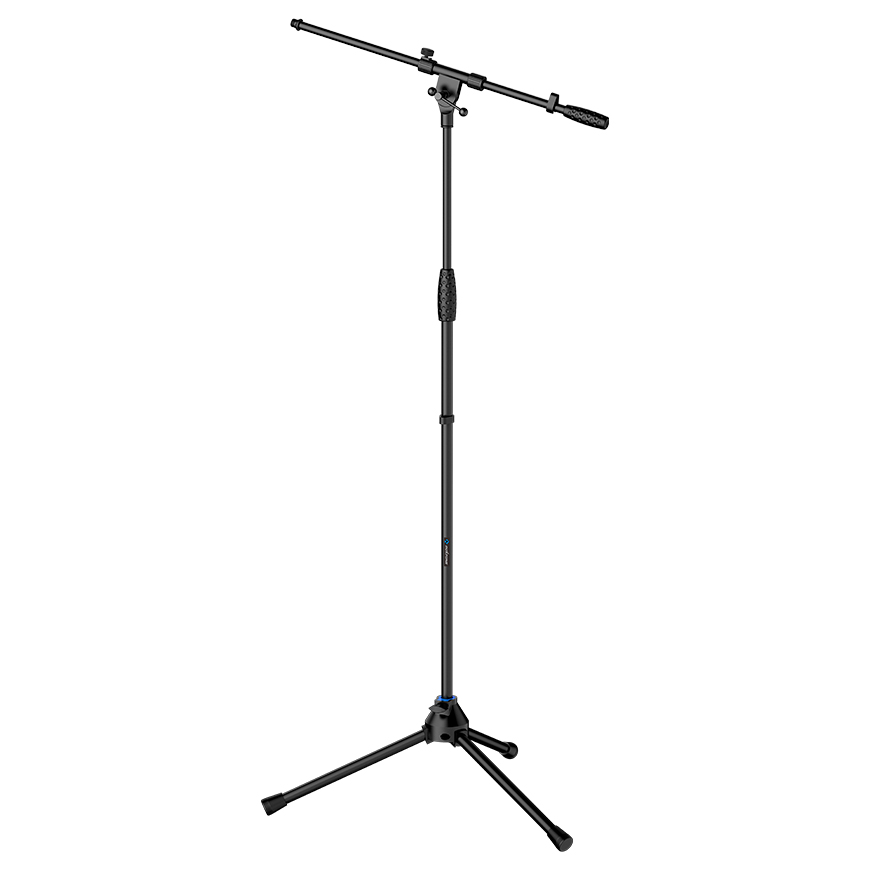
Stability plays a pivotal role in maintaining consistent audio levels during recordings or performances. When a microphone remains stationary, the sound source's distance and angle to the microphone stay unchanged, resulting in uniform sound capture. High-quality boom stands excel in this regard, as they minimize disturbances and unwanted movements that could otherwise disrupt audio quality. This stability ensures that the recording remains free from fluctuations, providing a polished and professional sound.
Desktop microphone stands also contribute significantly to consistent audio levels. Their sturdy design prevents accidental shifts, making them ideal for various recording environments. Whether used in a podcast studio or a live performance, these stands ensure that the microphone stays in place, allowing the audio to remain steady and reliable.
Optimizing Microphone Angle and Distance
The angle and distance of a microphone relative to the sound source directly influence the quality of the captured audio. Proper positioning enhances clarity, reduces noise, and ensures a balanced sound profile. For instance, placing the microphone too close to the speaker can result in plosives—unwanted bursts of air that create distortion. Conversely, positioning it too far away may lead to a hollow or distant sound.
Studies have demonstrated the importance of optimizing microphone placement under different conditions. The table below highlights findings from research on directional and omnidirectional microphones:
| Study | Findings | Microphone Type | SNR Conditions |
|---|---|---|---|
| Use of Microphone Technology to Improve User Performance in Noise | Directional advantage increased with difficulty of listening situation | Directional vs. Omnidirectional | 0 dB, -6 dB, Quiet |
| Frank and Gooden (1973) | Significant performance difference at various SNRs with directional microphones | Directional vs. Omnidirectional | -18, -12, -6, 0 dB |
| Nielsen (1973) | Preference for directional design in noisy environments | Directional vs. Omnidirectional | +5, +10 dB |
These findings underscore the importance of selecting the right microphone type and adjusting its position to suit the recording environment. For voice-over work, for example, a slight tilt of the microphone and maintaining a distance of 6-12 inches from the speaker can significantly improve sound quality.
Avoiding Sound Distortion in Recordings
Sound distortion often occurs when the microphone is improperly positioned or subjected to excessive vibrations. A well-placed microphone stand eliminates these issues by providing a stable and adjustable platform. By keeping the microphone at the correct height and angle, the stand ensures that the sound source is captured accurately without introducing unwanted artifacts.
Proper positioning also helps manage the microphone's sensitivity to loud sounds. For instance, angling the microphone slightly away from the speaker can prevent clipping, a form of distortion caused by sound levels exceeding the microphone's capacity. This technique is particularly useful in dynamic environments, such as live performances, where sound levels can vary significantly.
Microphone stands, with their adjustable features, make it easier to achieve the ideal setup for any recording scenario. Their ability to maintain the microphone's position ensures that sound distortion is minimized, resulting in a cleaner and more professional recording.
Practical Benefits of Using Microphone Stands
Hands-Free Operation for Convenience
Microphone stands enable hands-free operation, allowing users to focus on their performance or recording without holding the microphone. This convenience proves essential for musicians, podcasters, and sound engineers who require freedom of movement. By securing the microphone in place, stands eliminate the need for constant adjustments, ensuring uninterrupted workflow.
For live performances, hands-free operation enhances stage presence. Singers can engage with the audience while maintaining consistent sound quality. In studio settings, podcasters and voice-over artists benefit from the ability to multitask, such as reading scripts or operating equipment, without compromising audio capture.
Improved Focus During Performances or Recordings
A stable microphone stand fosters concentration by reducing distractions. Performers and speakers can focus entirely on their craft, knowing the microphone remains securely positioned. This stability minimizes the risk of accidental noise or interruptions, creating a seamless recording or performance experience.
For musicians, this benefit is particularly valuable during instrumental sessions. Guitarists and pianists can play without worrying about microphone placement. Similarly, public speakers can deliver their message confidently, free from concerns about handling noise or microphone shifts.
Compatibility with Various Microphone Types
Microphone stands accommodate a wide range of microphone types, making them versatile tools for diverse applications. Their adaptability stems from features like adjustable boom arms and universal thread sizes.
- The Anwenk Mic Stand Adapter converts a 5/8" mic stand to Apogee MiC+ threading, ensuring compatibility with specialized microphones.
- Shotgun microphones, often prone to vibration transmission, can be mounted using clip mounts designed for standard 5/8" threads.
- Extendable boom arms allow precise positioning for different microphone types, enhancing sound capture.
- Wall-mounted rigid boom arms, paired with flange bases, provide additional options for unique setups.
This versatility ensures that microphone stands meet the needs of professionals across various industries, from music production to broadcasting.
Choosing the Right Microphone Stand
Key Features to Look For
Selecting the right microphone stand requires careful consideration of several key features. A high-quality stand ensures durability, stability, and compatibility with your microphone. Here are some essential criteria to evaluate:
- Compatibility with your microphone: The stand must support the weight and type of your microphone, whether it’s a lightweight condenser or a heavier dynamic model.
- Intended usage: Consider the purpose of the stand. Recording vocals, instruments, or interviews may require different designs.
- Stability: A sturdy base, such as a tripod or weighted circular base, prevents tipping and protects your equipment.
- Quality of materials: Durable materials like steel or aluminum ensure the stand withstands regular use.
The table below highlights additional technical specifications to look for:
| Feature | Description |
|---|---|
| Height Adjustment | Adjustable height for sitting or standing setups. |
| Boom Arm or Fixed | Choose between a flexible boom arm or a fixed stand. |
| Base Stability | Stable options for heavy microphones, such as tripod or weighted bases. |
| Portability | Lightweight, collapsible designs for easy transport. |
| Material | High-quality materials like steel or aluminum for longevity. |
| Compatibility | Ensure compatibility with mounting options and weight capacity. |
These features ensure the stand meets the demands of both professional and casual users.
Why the PMS120 Microphone Stand Stands Out
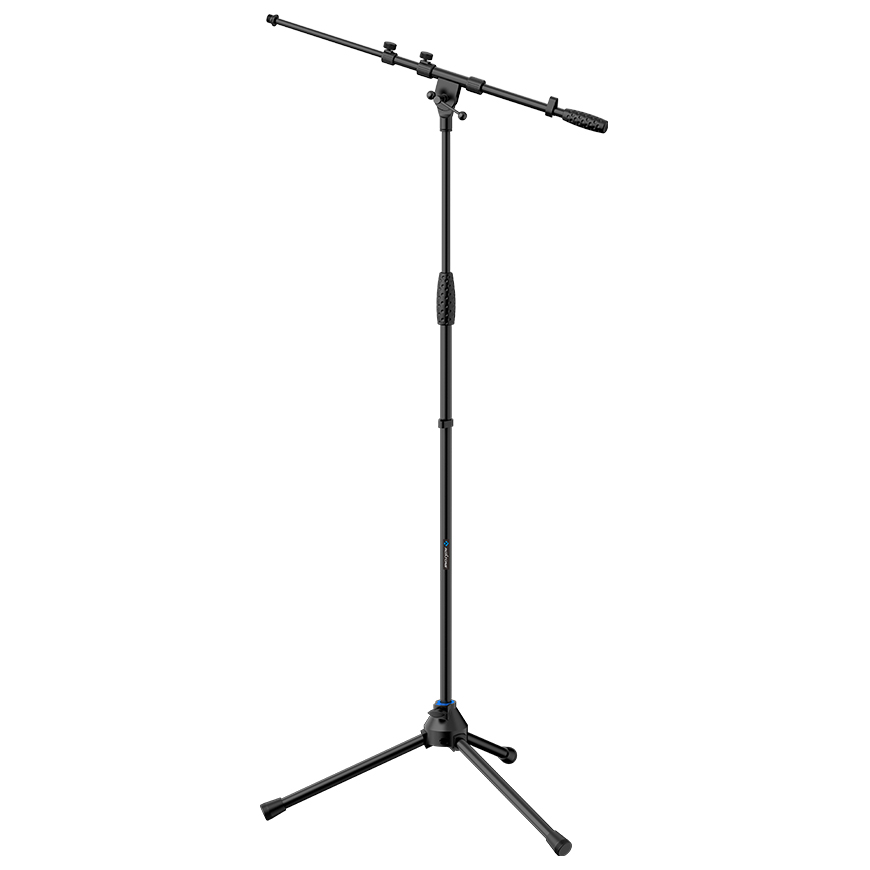
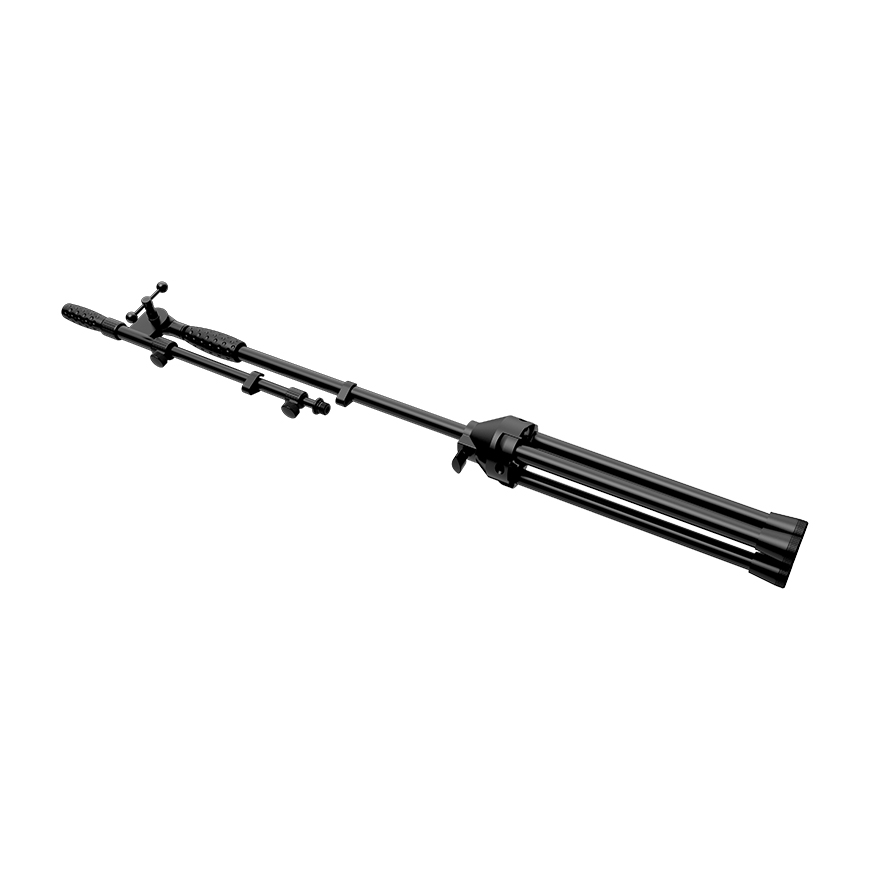
The PMS120 Microphone Stand from RealRoxTone exemplifies excellence in design and functionality. Its telescopic boom arm allows precise microphone positioning, ensuring optimal sound capture. The heavy-duty steel construction provides exceptional stability, even for heavier microphones.
This stand’s collapsible tripod base enhances portability without compromising durability. The quick lock system secures the microphone in place, making it ideal for live performances and studio recordings. Additionally, the adaptable microphone clip fitting accommodates various microphone types, offering unmatched versatility.
Weighing just 2.4 kg, the PMS120 combines lightweight convenience with robust performance. Its powder-coated black finish not only adds a sleek aesthetic but also protects against wear and tear, ensuring long-term reliability.
Matching Your Stand to Your Needs
Choosing the right microphone stand depends on your specific requirements. For studio recordings, a stand with precise height adjustments and a stable base ensures consistent audio quality. Live performers benefit from features like quick locks and collapsible designs for easy setup and transport.
The PMS120 caters to diverse needs with its adjustable height range of 1000 mm to 1690 mm, making it suitable for both seated and standing positions. Its clip-on cable management system keeps workspaces organized, reducing clutter during recordings. Whether for podcasting, music production, or live events, this stand adapts seamlessly to any environment.
By aligning the stand’s features with your intended use, you can achieve professional-grade results with ease.
Microphone stands, like the PMS120 from RealRoxTone, play a vital role in achieving professional audio quality. They reduce noise, enhance clarity, and provide stability for consistent recordings.
Investing in a high-quality stand ensures better sound capture and elevates any recording or performance. The PMS120 offers unmatched reliability and versatility for all users.
FAQ
What are the key benefits of using a microphone stand?
Microphone stands provide stability, reduce handling noise, and allow hands-free operation. They also enable precise positioning for optimal sound capture during recordings or performances.
How do microphone stands reduce vibrations?
Stands isolate microphones from external vibrations through sturdy construction and shock-absorbing features. This minimizes noise caused by environmental factors like footsteps or equipment movement.
Tip: For maximum vibration reduction, pair your stand with a high-quality shock mount.
Can the PMS120 support heavy microphones?
Yes, the PMS120 supports microphones up to 5kg when the boom arm is extended. Its heavy-duty steel construction ensures stability and durability for professional use.