


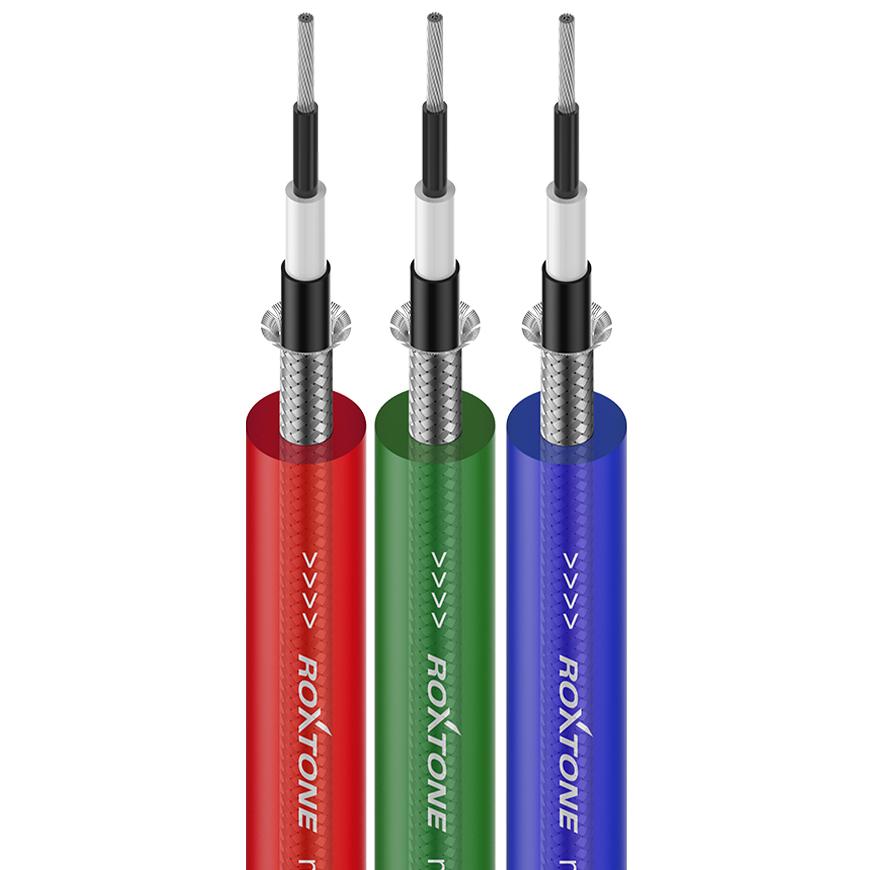



Best Balanced Microphone Cables for Studio Recording: Top 5 Picks (2025)
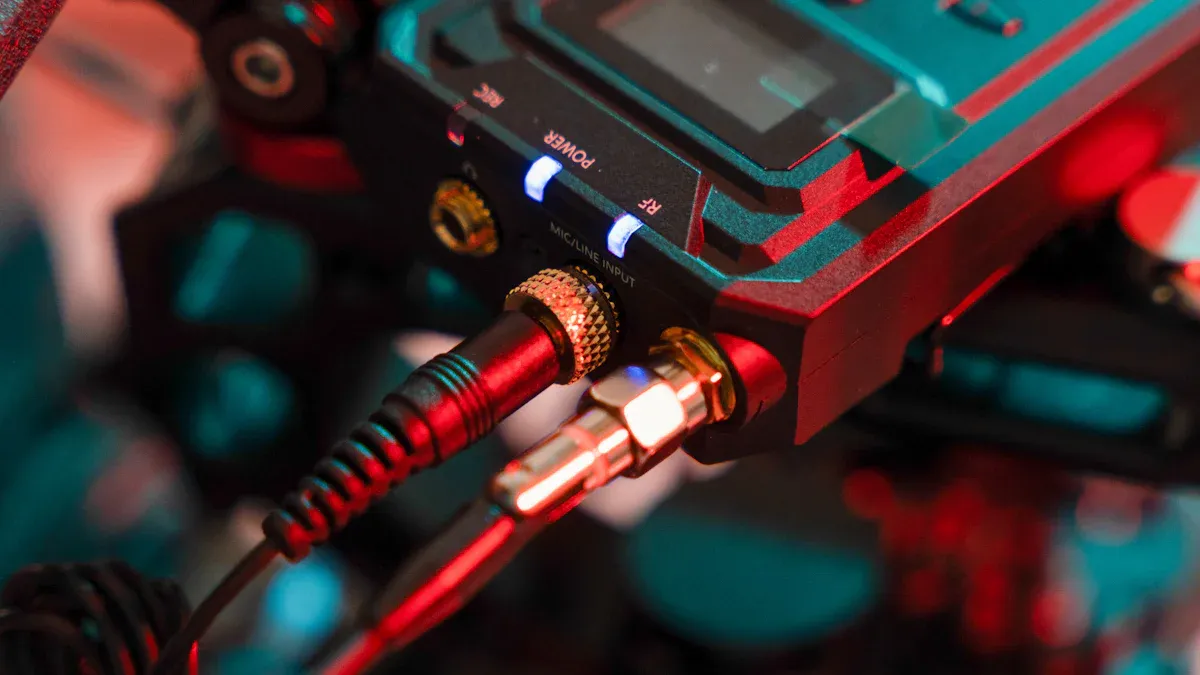
Balanced Microphone cables are essential in studio recording, providing clean and noise-free audio transmission. Ourbulk cablesare designed with three conductors—two for the signal and one for grounding—effectively canceling out external interference. This shielding protects against electromagnetic and radio frequency disruptions, ensuring signal clarity. Among the top choices for 2025 are the Mogami Gold Studio Cable, Cordial CTM 5 FM-BK, Mogami Gold Neglex Quad, Pig Hog 8mm Mic Cable, and Mogami Gold Cable TRS-XLRM. These options cater to diverse needs, from premium quality to budget-friendly solutions, making them indispensable for professionals and enthusiasts alike.
Key Takeaways
- Balanced microphone cables reduce noise, giving clear sound for recordings.
- Pick good cables with strong copper wires and tough shielding for better sound and longer use.
- Think about cable length and plug types to keep sound strong and fit your gear.
What Are Balanced Microphone Cables?
Definition and how they work
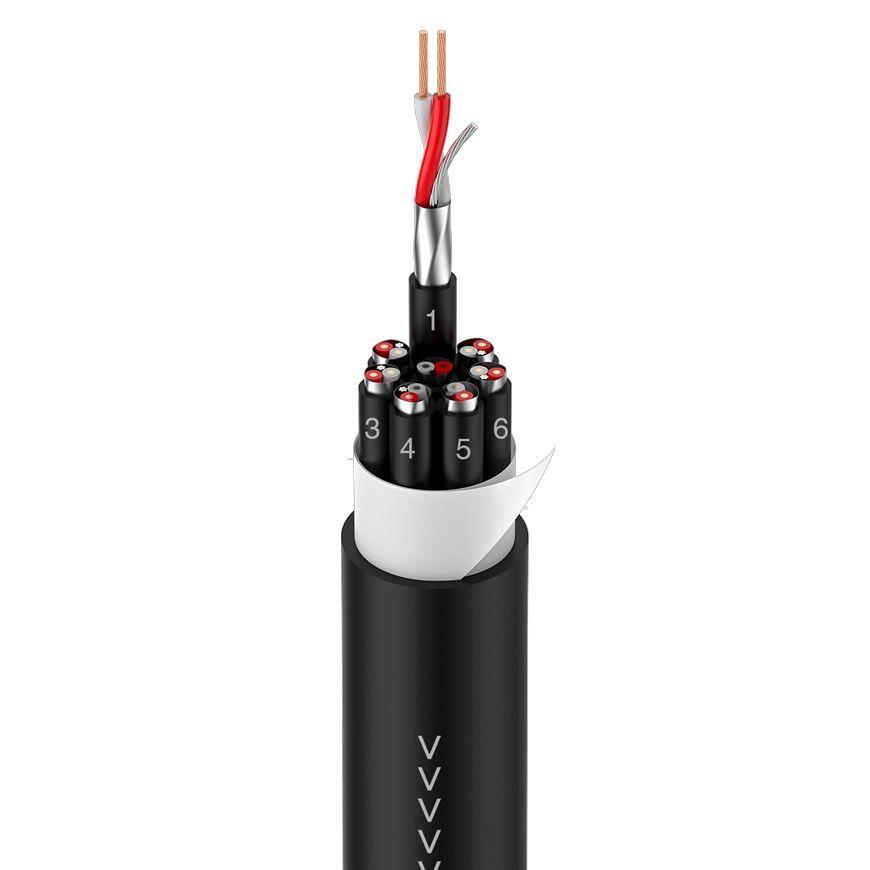
Balanced microphone cables are designed to transmit audio signals with minimal interference. They consist of three wires: one for the positive signal, one for the negative signal, and one for grounding. This configuration ensures that noise affecting the signal is effectively canceled out.
The principle of differential signaling allows the receiving equipment to amplify only the difference between the positive and negative signals. Any noise common to both lines is rejected, preserving the integrity of the audio.
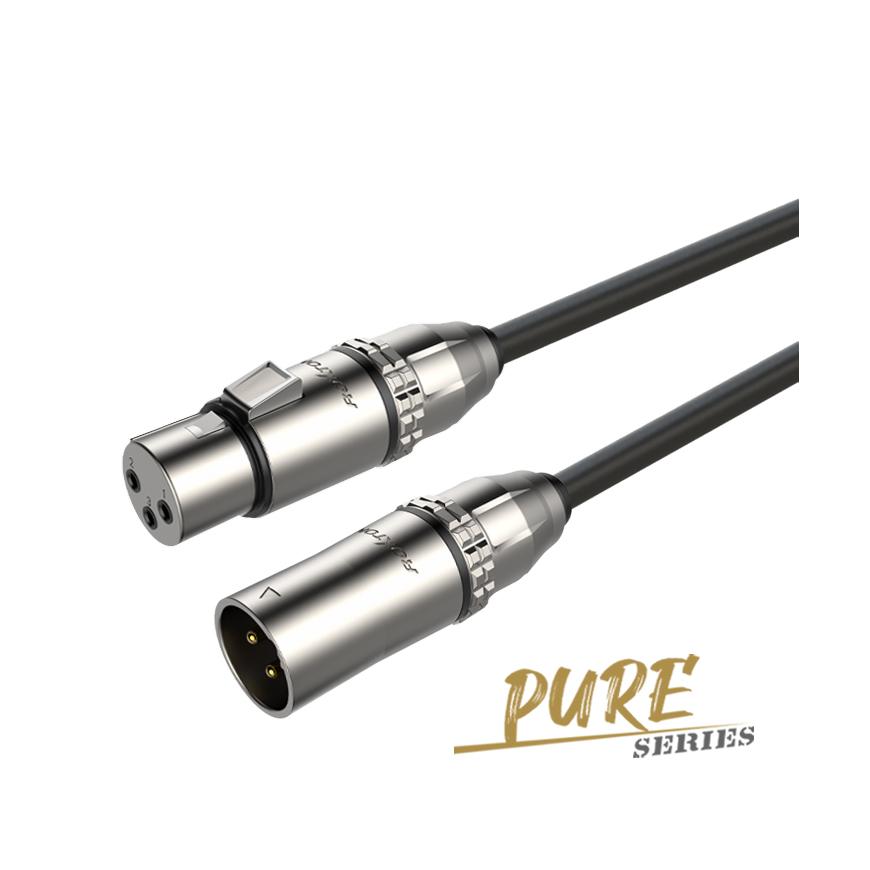
These cables typically use a 3-pin XLR connector, where each pin corresponds to the positive signal, negative signal, and ground. High-quality cables often feature oxygen-free copper conductors to enhance conductivity and reduce signal loss. Shielding materials, such as braided copper or aluminum foil, protect against electromagnetic and radio frequency interference. The outer jacket, made from durable materials like PVC or rubber, provides additional protection against wear and environmental factors.
Key benefits for studio recording
Balanced microphone cables offer several advantages for studio recording. Their ability to minimize noise interference ensures clean audio transmission, even in environments with high electromagnetic activity. By using complementary signals—one in its original phase and the other inverted—these cables cancel out noise common to both lines.
This noise reduction is critical for microphone signals, which are low in voltage and highly susceptible to interference. The common-mode rejection ratio (CMRR) measures the effectiveness of this noise cancellation, ensuring that the audio remains clear and free from hums or buzzes. Additionally, balanced cables maintain signal clarity over long distances, making them ideal for professional studio setups.
Why Balanced Microphone Cables Are Essential for Studio Recording
Importance of noise reduction in professional audio
Noise reduction plays a critical role in professional audio setups, where even minor interference can compromise sound quality. Balanced microphone cables excel in minimizing noise by utilizing three conductors: one for the positive signal, one for the negative signal, and one for grounding. This design allows the cable to cancel out unwanted noise through phase inversion, ensuring clean and clear audio transmission.
Professionals rely on these cables to combat interference from electromagnetic and radio frequency sources, which are common in studio environments filled with electronic equipment. The shielding materials, such as braided copper or aluminum foil, further enhance noise immunity by blocking external disruptions. Balanced cables also provide a superior Signal-to-Noise Ratio (SNR) compared to unbalanced alternatives, making them indispensable for capturing high-quality recordings.
📌 Tip: For studios located in urban areas with high electromagnetic activity, balanced cables are a must-have to eliminate hums and buzzes.
Role in maintaining signal integrity over long distances
Maintaining signal integrity over long distances is another key advantage of balanced microphone cables. Unlike unbalanced cables, which degrade in quality as the length increases, balanced cables preserve audio fidelity even over extended runs. This makes them ideal for professional studios and large venues where long cable runs are unavoidable.
The three-conductor design ensures that any noise introduced along the cable is effectively canceled out, keeping the original signal intact. High-quality balanced cables can maintain signal clarity up to 100 feet or more, making them suitable for complex studio setups. Additionally, the locking mechanism of XLR connectors prevents accidental disconnections, ensuring a reliable connection throughout the recording process.
Balanced microphone cables are specifically engineered to overcome the limitations of unbalanced cables, making them the preferred choice for professional audio environments.
Top 5 Balanced Microphone Cables for Studio Recording (2025)
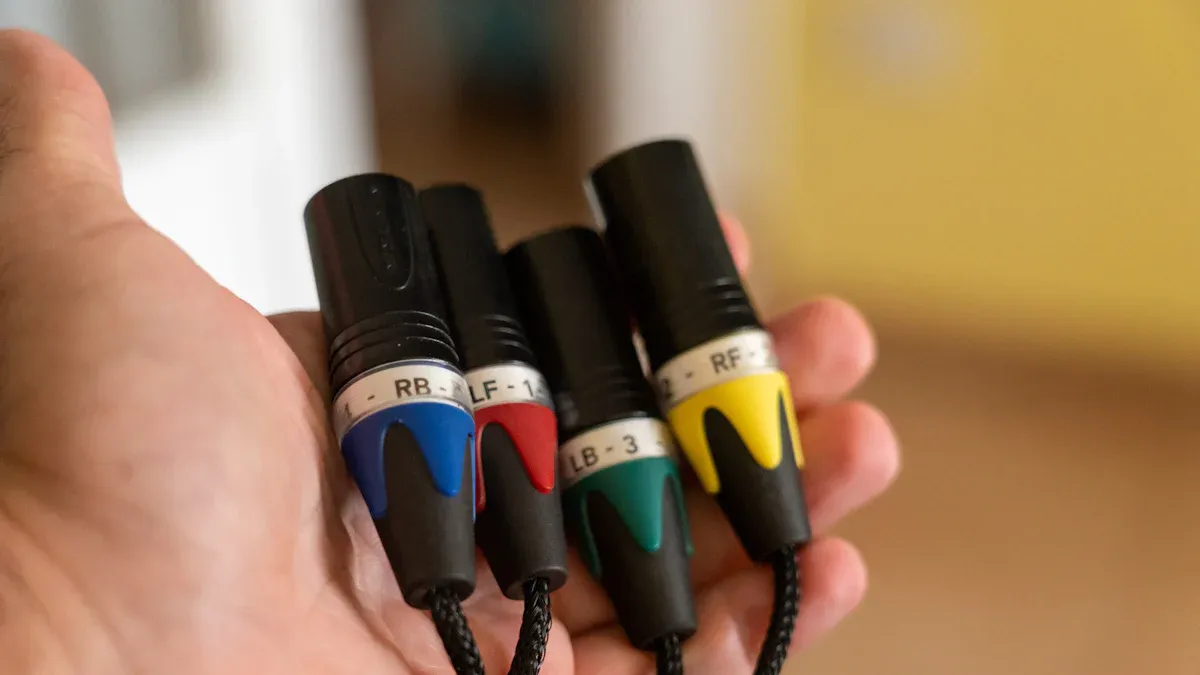
Mogami Gold Studio Cable
The Mogami Gold Studio Cable stands out as a premium choice for professionals seeking unparalleled audio quality. Designed to minimize electrical interference, it features an ultra-high-density spiral shield and a conductive polymer sub-shield. These components drastically reduce noise, ensuring crystal-clear sound transmission.
"The Mogami definitely feels better built. Performance though is identical. Both are far superior than a lower cost set I picked up from a no-name brand."
Key features include:
- Crafted with high-quality materials for durability.
- Innovative design that eliminates audio impurities for clear sound.
- Lifetime warranty, reflecting the manufacturer's confidence in its longevity.
This balanced microphone cable is robust, flexible, and reliable, making it a preferred choice among audiophiles and studio engineers.
Cordial CTM 5 FM-BK
The Cordial CTM 5 FM-BK offers an excellent balance of performance and affordability. Its oxygen-free copper conductors ensure optimal signal transmission, while the durable PVC jacket provides protection against wear and tear. This cable is ideal for those seeking a reliable option for both studio and live performance setups. Its 5-meter length adds versatility, accommodating various recording environments.
Mogami Gold Neglex Quad Microphone Cable
The Mogami Gold Neglex Quad Microphone Cable is highly regarded for its unmatched accuracy and low noise. Engineered to minimize electrical interference, it delivers clean, crystal-clear sound, free from unwanted noise. Top engineers favor this cable for its clarity and silent background, making it ideal for accurate audio reproduction. Its remarkable flexibility further enhances its usability in professional studios.
ROXTONE Mic Cable
The Pig Hog 8mm Mic Cable combines durability with performance, making it a cost-effective choice for studio recording. Its 8mm thick jacket prevents kinking and tangling, ensuring longevity. Proprietary conductor technology guarantees clear sound quality, free from interference. Each cable undergoes hand-testing to confirm quality, and the lifetime warranty enhances its value. This balanced microphone cable is perfect for those seeking reliability without breaking the bank.
Mogami Gold Cable TRS-XLRM
The Mogami Gold Cable TRS-XLRM exemplifies professional-grade quality. It features oxygen-free copper conductors, gold-plated connectors, and a durable PVC jacket for maximum conductivity and durability. Its high-density, quad-spiral copper shielding minimizes RF and EMI interference, ensuring noise-free audio.
| Feature | Description |
|---|---|
| Premium components | Oxygen-free copper conductors, gold-plated connectors, durable PVC jacket for maximum conductivity. |
| Noise cancellation | High-density, quad-spiral copper shielding minimizes RF and EMI interference. |
| Durability | Designed to withstand heavy use with a protective PVC jacket and corrosion-resistant connectors. |
| Length | 15-foot length provides flexibility for various studio setups. |
| Warranty | Lifetime guarantee ensures long-term reliability. |
This cable's advanced technology and precision engineering make it a favorite among professionals.
Buying Guide: How to Choose the Best Balanced Microphone Cable

Build quality and durability
Build quality directly impacts the longevity and performance of a balanced microphone cable. High-quality materials, such as oxygen-free copper (OFC) conductors, enhance conductivity and ensure clear sound transmission. Durable outer jackets made from PVC or rubber protect the cable from physical wear and environmental damage. Metal connectors, preferred over plastic ones, provide robustness and reduce the risk of damage during frequent use. Braided shielding further enhances durability by protecting against electromagnetic and radio frequency interference, making it essential for professional environments.
Shielding and noise reduction
Effective shielding is critical for minimizing noise and interference. Balanced microphone cables often use braided copper or aluminum foil shielding to block electromagnetic and radio frequency disruptions. This shielding ensures clean audio signals, even in environments with high electronic activity. Cables with lower capacitance values also reduce signal loss, preserving audio clarity. For optimal performance, choose cables with a strong shielding design and a balanced connection to maintain superior sound quality.
Cable length considerations
Cable length plays a significant role in maintaining signal integrity. Longer cables are prone to signal degradation, but balanced cables excel in preserving audio quality over extended distances. For studio setups, cables up to 15 feet are ideal for flexibility without compromising sound clarity. However, for larger venues or complex setups, high-quality cables can maintain performance even at lengths exceeding 100 feet.
Connector types and compatibility
Connector types determine the cable's compatibility with audio equipment. Most balanced microphone cables use XLR connectors, which feature three pins for ground, positive, and negative signals. Ensure the connectors are gold-plated or made from high-quality metals to resist corrosion and maintain conductivity. Compatibility with your recording equipment is crucial, so verify the connector type before purchasing.
Budget and value for money
Balanced microphone cables are available across various price ranges. Budget-friendly options, such as the Planet Waves Classic Series, offer reliable performance with nickel-plated connectors and durable designs. Mid-range options, like the Mogami Silver, provide enhanced quality and durability. High-end cables, such as the Mogami Gold Studio, deliver unmatched noise reduction and audio clarity, making them ideal for professional use. Evaluate your needs and budget to select a cable that offers the best value for money.
Balanced microphone cables are vital for studio recording, offering superior noise reduction and signal clarity. Their balanced design minimizes interference and preserves sound quality over long distances.
Key Features of Balanced Cables
| Feature | Description |
|---|---|
| Noise Reduction | Cancels electromagnetic interference and hum. |
| Signal Integrity | Maintains audio quality over extended cable runs. |
| Durability | XLR connectors ensure secure and reliable connections. |
Among the top picks, the Mogami Gold Studio Cable delivers premium performance, while the Pig Hog 8mm Mic Cable offers excellent value for budget-conscious users. Balanced cables remain indispensable for achieving professional-grade recordings.
🎤 Pro Tip: Choose cables with oxygen-free copper conductors and robust shielding for optimal performance.
FAQ
What makes balanced microphone cables better than unbalanced ones?
Balanced cables reduce noise and interference by canceling out common-mode signals. This feature ensures cleaner audio transmission, especially over long distances, compared to unbalanced cables.
How do I know if my equipment supports balanced cables?
Check the input and output ports on your equipment. Balanced cables typically use XLR or TRS connectors, which are compatible with most professional audio devices.
Can balanced cables improve sound quality in home studios?
Yes, balanced cables enhance sound quality by minimizing interference. They are especially beneficial in environments with electronic devices that generate electromagnetic or radio frequency noise.