





Adapters for Legacy Systems: Bridging Old and New Audio Technologies
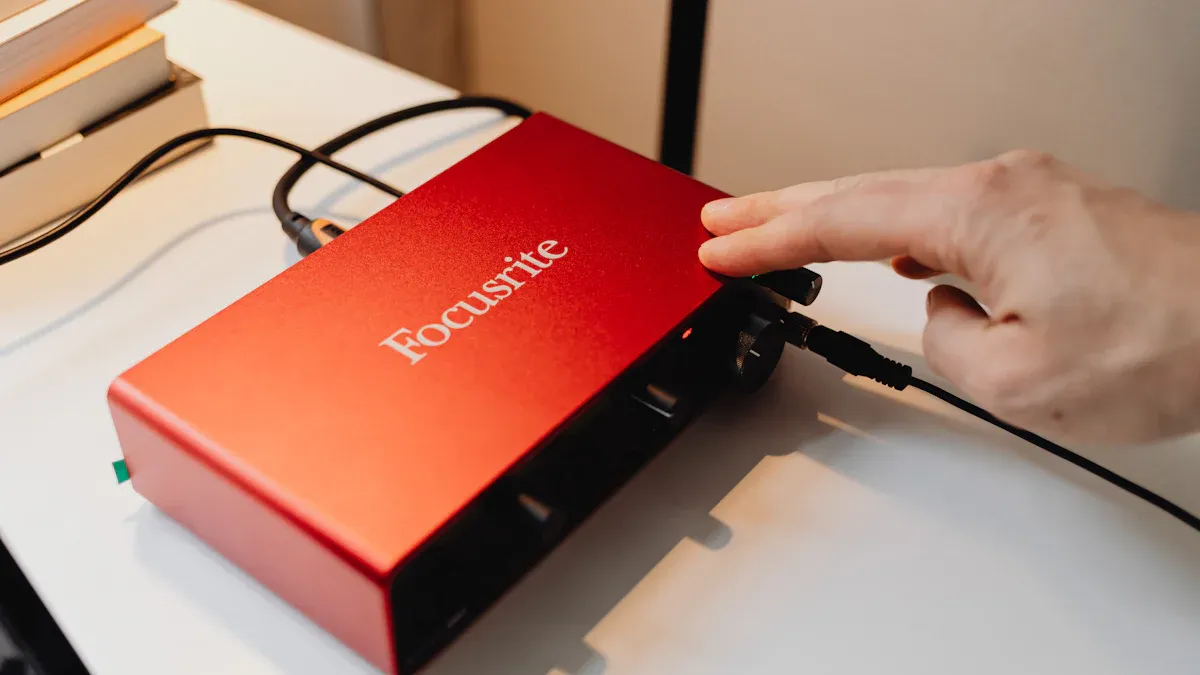
Adapting legacy audio systems to modern devices is essential in today’s technologically diverse world. Many institutions, such as schools and corporate offices, continue to rely on older hardware due to budget constraints. This reliance drives the demand for versatile Adapters, like VGA to HDMI, which enable seamless integration. Reliableconnectors, paired with tools like a dual-channel audio isolator and an audio channel isolator, ensure that sound quality and compatibility remain uncompromised.
The DisplayPort Adapter Market’s projected growth to 4.5 billion USD by 2032 reflects the increasing demand for solutions bridging old and new technologies. These adapters not only extend the usability of legacy systems but also provide cost-effective options for industries that cannot afford complete system overhauls.
Key Takeaways
- Adapters help connect old audio systems to new devices.
- Good adapters and cables keep sound clear and strong. Focus on quality, not just price.
- Taking care of settings and cleaning improves old system sound.
Understanding Legacy Systems and Modern Audio Technologies
Legacy Audio Systems and Their Limitations
Legacy audio systems, while groundbreaking in their time, often fall short when compared to modern standards. These systems frequently struggle with background noise, leading to inaccuracies in audio signals. Additionally, older systems relied on low-quality recordings, which limited their ability to deliver high-fidelity sound. Playback speed and pitch variability further compounded these challenges, making consistent audio performance difficult to achieve.
“The sound quality is like a cheap portable radio,” commented a consumer on Circuit City’s website, highlighting the limitations of older audio systems.
“..the stereo speaker sounded so tinny they almost demand you buy a separate sound system,” noted a Miami Herald product review in 2006.
Despite these drawbacks, legacy systems remain in use due to their durability and cost-effectiveness. However, integrating them with modern devices often requires specialized tools, such as an adapter, to overcome these inherent limitations.
Modern Audio Technologies and Connection Standards
Modern audio technologies have revolutionized sound quality and connectivity. Advanced noise reduction techniques ensure clearer audio signals, while high-fidelity processing delivers richer soundscapes. Modern systems also adapt seamlessly to variations in playback speed and pitch, offering a more consistent listening experience.
Connection standards have also evolved significantly. The industry now employs precise measurement techniques to ensure optimal performance:
| Measurement Technique | Purpose |
|---|---|
| Sound Level Meters (SLMs) | Measure sound pressure levels (SPL) in decibels (dB) to ensure safe listening levels. |
| Audio Analyzers | Measure parameters like frequency response and total harmonic distortion (THD) for fidelity. |
| FFT Analysis | Converts time-domain signals to frequency-domain for detailed analysis of audio quality. |
| THD+N Measurement | Evaluates distortion introduced by equipment, indicating audio fidelity. |
| Jitter Measurement | Assesses timing errors in digital audio playback for clarity and precision. |
These advancements highlight the stark contrast between legacy systems and their modern counterparts.
Compatibility Challenges Between Old and New Systems
Bridging the gap between legacy systems and modern devices presents unique challenges. Older systems often lack the necessary ports or protocols to connect with newer technologies. For example, legacy systems may rely on analog connections, while modern devices predominantly use digital interfaces like HDMI or USB. This disparity can lead to signal loss or degraded sound quality during integration.
“Our industry is failing TV buyers. They are missing the best way to experience their new TV — with great audio,” remarked Gary Shapiro, president of the Consumer Electronics Association, in 2006. His statement underscores the importance of ensuring compatibility between devices.
Adapters play a crucial role in addressing these challenges. By converting signals and bridging connection standards, they enable seamless integration, ensuring that legacy systems can still deliver quality audio in a modern setup.
Types of Adapters for Audio Integration
Analog-to-Digital Audio Adapters
Analog-to-digital audio adapters serve as a bridge between older analog systems and modern digital devices. These adapters convert analog signals, such as those from cassette players or vinyl turntables, into digital formats compatible with contemporary equipment. This conversion ensures that legacy systems can deliver audio through modern interfaces like USB or HDMI.
The growing demand for these adapters stems from the rapid evolution of audio and video technologies. High-definition (HD) and ultra-high-definition (UHD) displays require connectors capable of supporting higher bandwidths while maintaining signal integrity. This trend has driven the development of advanced adapters that ensure lossless transmission of audio signals.
Key factors influencing the growth of the connector market include:
- The segmentation of adapters by type and application.
- Insights into lucrative segments and future opportunities.
- The increasing need for seamless integration across industries.
These adapters play a vital role in preserving the functionality of legacy systems while meeting the demands of modern audio standards.
Bluetooth Adapters for Wireless Connectivity
Bluetooth adapters have revolutionized wireless audio integration. They enable legacy systems to connect with modern devices, such as smartphones and tablets, without the need for physical Cables. By transmitting audio signals wirelessly, these adapters eliminate the clutter of traditional wired setups and provide greater flexibility in device placement.
Recent advancements in Bluetooth technology have significantly improved connectivity and performance. The introduction of Bluetooth versions 5.0, 5.1, 5.2, and 5.3 has enhanced data rates, extended range, and reduced power consumption. These improvements ensure a more reliable and energy-efficient connection, making Bluetooth adapters an essential tool for modern audio integration.
| Improvement Type | Description |
|---|---|
| Bluetooth Versions | Introduction of Bluetooth 5.0, 5.1, 5.2, and 5.3 |
| Data Rates | Higher data rates offered by newer Bluetooth versions |
| Range | Improved range for better connectivity |
| Power Consumption | Reduced power consumption in newer models |
| Market Growth | Projected significant growth in the Bluetooth market |
| CAGR | Expected CAGR of XX% during 2023-2033 |
Bluetooth adapters not only enhance the usability of legacy systems but also align with the growing trend toward wireless audio solutions.
Specialized Adapters: HDMI, RCA, AUX, and USB
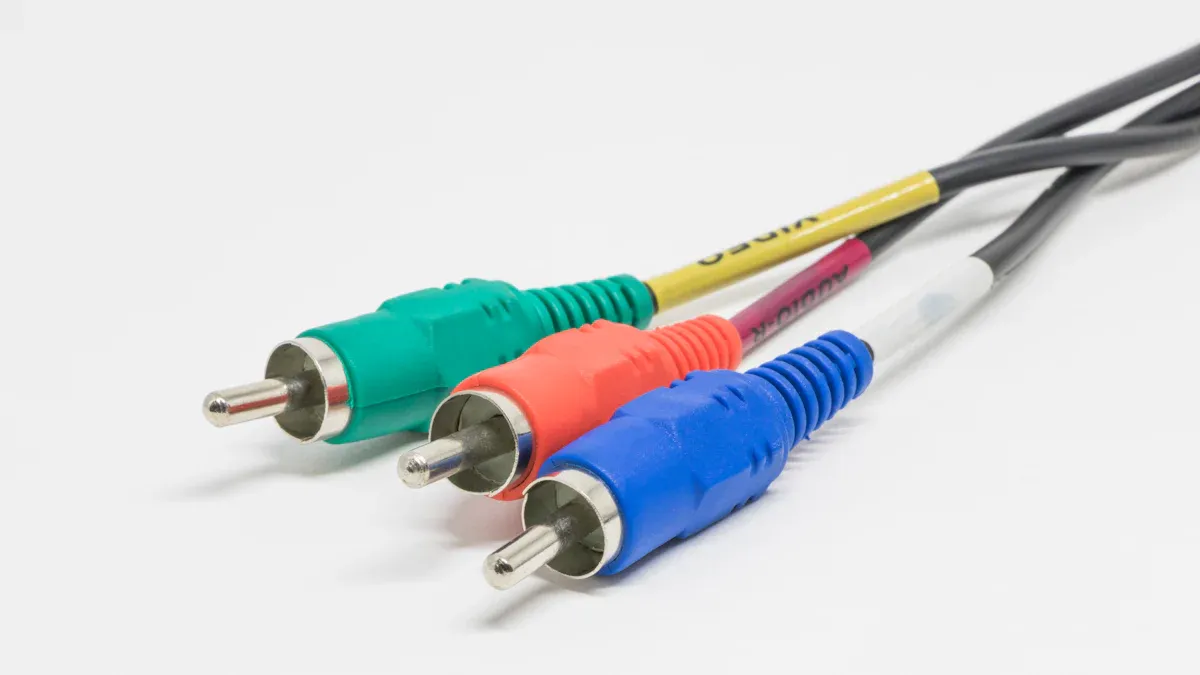
Specialized adapters cater to specific connection needs, ensuring compatibility between diverse audio systems. HDMI adapters, for instance, support high-definition audio and video transmission, making them ideal for home theater setups. RCA adapters, on the other hand, connect older audio equipment to modern devices, preserving the functionality of vintage systems.
AUX adapters provide a simple solution for connecting devices with 3.5mm audio jacks, while USB adapters enable seamless integration with computers and other digital devices. The versatility of these specialized adapters makes them indispensable for audio enthusiasts and professionals alike.
The Audio & Video Interfaces Connectors Market highlights the importance of these adapters across various regions and industries:
| Region | Connector Type | End Use |
|---|---|---|
| North America | USB, HDMI, Ethernet, Audio | Telecommunications, Automotive, Consumer Electronics, IT and Data Centers, Aerospace & Defense |
| Europe | USB, HDMI, Ethernet, Audio | Telecommunications, Automotive, Consumer Electronics, IT and Data Centers, Aerospace & Defense |
| APAC | USB, HDMI, Ethernet, Audio | Telecommunications, Automotive, Consumer Electronics, IT and Data Centers, Aerospace & Defense |
| RoW | USB, HDMI, Ethernet, Audio | Telecommunications, Automotive, Consumer Electronics, IT and Data Centers, Aerospace & Defense |
These adapters ensure that legacy systems remain relevant in a rapidly evolving technological landscape.
Ensuring Sound Quality and Performance
Selecting High-Quality Adapters and Cables
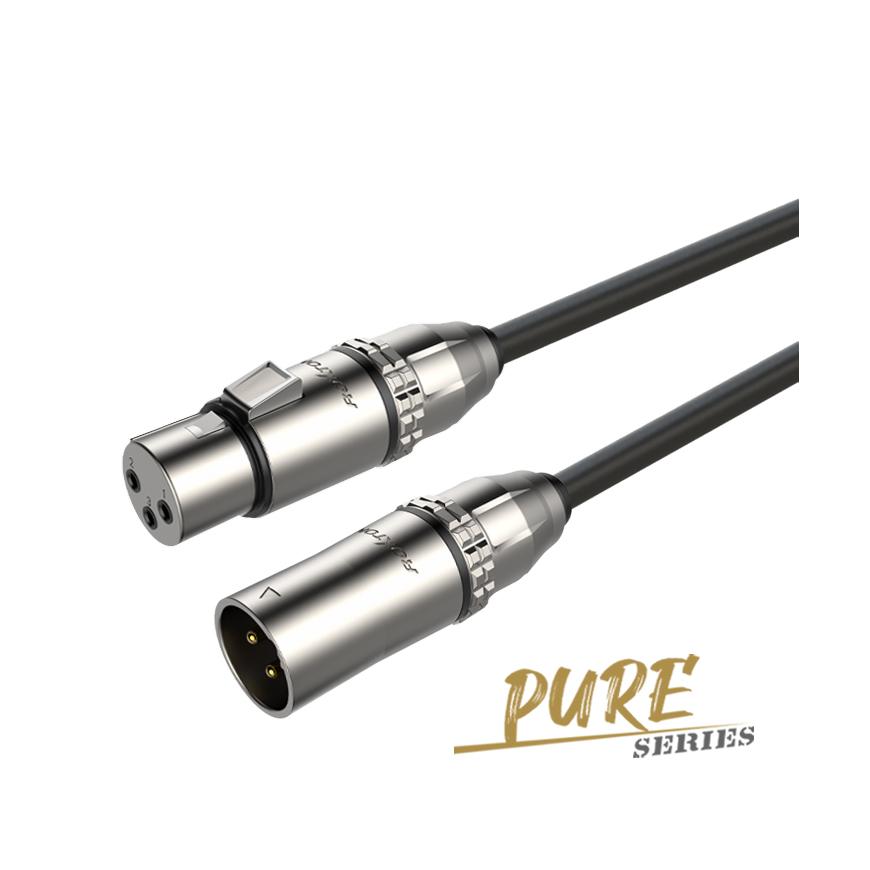
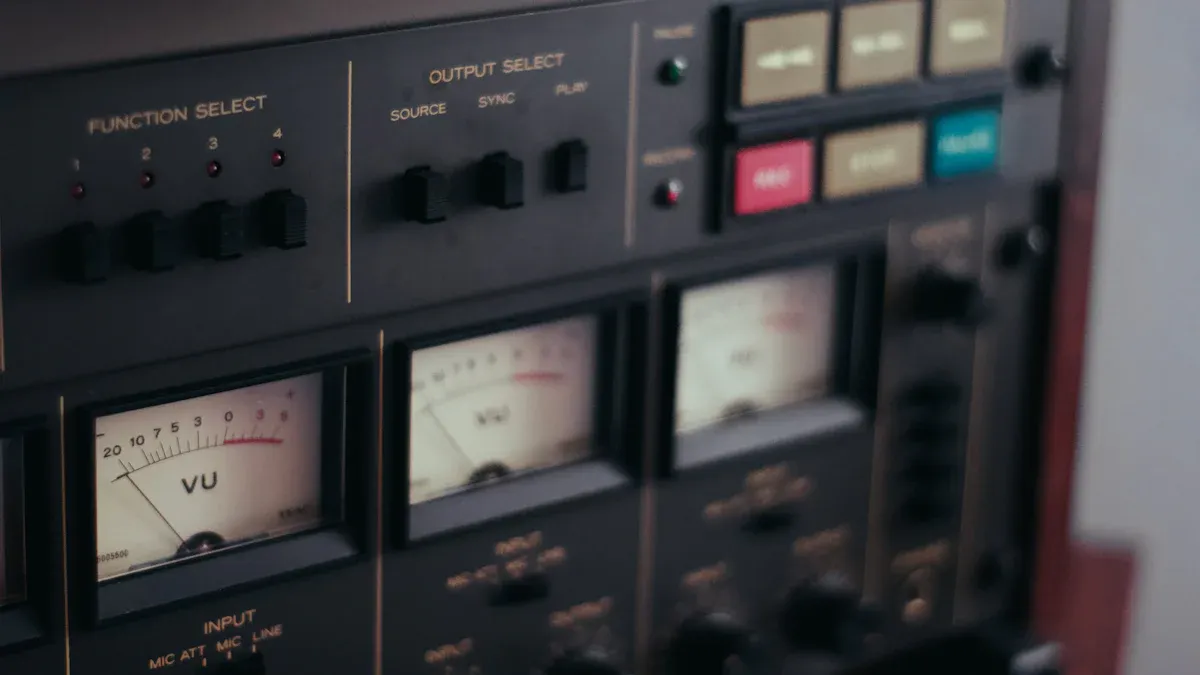
High-quality adapters and cablesplay a crucial role in maintaining sound fidelity during integration. Well-constructed cables with typical electrical characteristics ensure consistent signal transmission without introducing distortion. Empirical studies have demonstrated that the sonic output of Speaker Cables remains unchanged when their electrical properties align with industry standards. This finding highlights that higher-priced cables do not necessarily deliver superior sound quality.
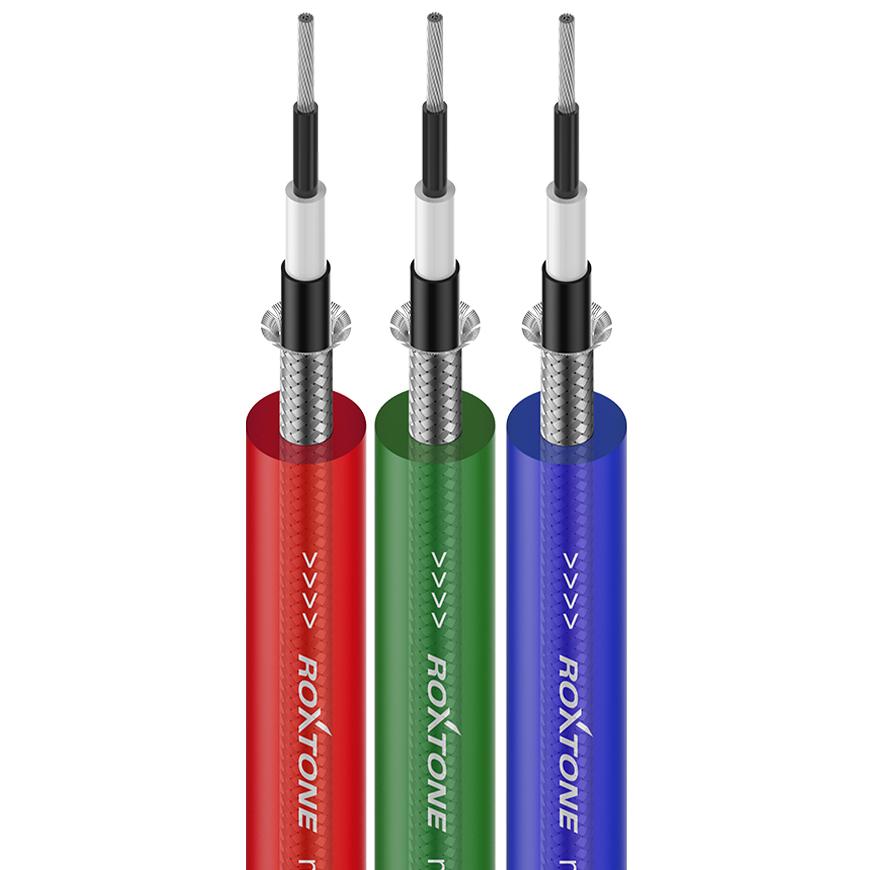
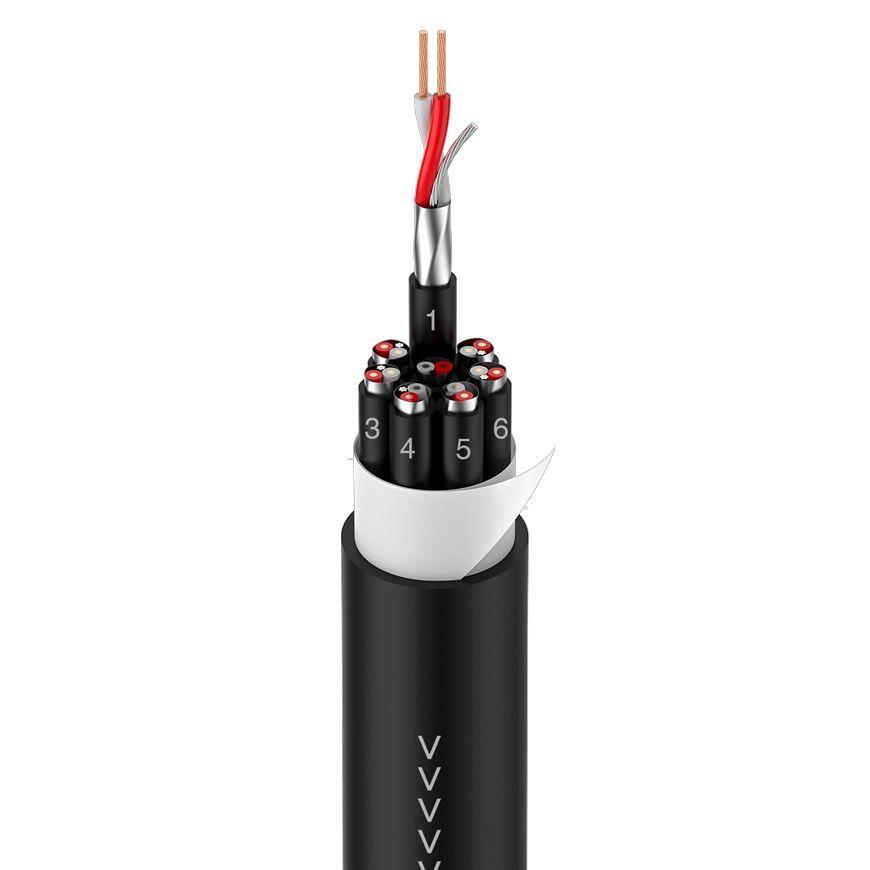
When selecting adapters and cables, users should prioritize durability and compatibility over cost. Materials such as gold-plated connectors resist corrosion and improve conductivity, ensuring long-term performance. Shielding techniques, such as braided or foil shields, minimize electromagnetic interference, preserving audio clarity.
Tip: Avoid purchasing cables based solely on marketing claims. Instead, focus on specifications that match the requirements of your audio system.
Reducing Signal Loss During Integration
Signal loss often occurs when connecting legacy systems to modern devices. This issue arises due to mismatched impedance, poor cable construction, or inadequate shielding. To mitigate signal degradation, users should opt for adapters and cables designed to handle high-frequency audio signals.
Proper cable management also reduces signal loss. Shorter cable lengths minimize resistance, while avoiding sharp bends prevents damage to internal conductors. Additionally, connectors should fit securely to prevent loose connections that can disrupt signal flow.
For optimal performance, users should consider adapters with built-in signal boosters. These devices amplify weak signals, ensuring consistent audio output across all connected components.
Optimizing Audio Settings for Legacy Systems
Legacy systems often require manual adjustments to achieve optimal sound quality. Users should begin by calibrating volume levels to avoid distortion. Equalizer settings can be fine-tuned to enhance specific frequencies, compensating for the limitations of older hardware.
Modern devices often include software tools that simplify audio optimization. For example, digital signal processors (DSPs) can automatically adjust settings to match the characteristics of connected legacy systems. These tools ensure balanced sound output without requiring extensive technical knowledge.
Note: Regular maintenance of legacy systems, such as cleaning connectors and updating firmware, further improves audio performance.
Adapters play a pivotal role in connecting legacy audio systems with modern devices, ensuring seamless integration and extended usability. They address challenges like mismatched connectivity standards and signal quality, enabling users to enjoy high-performance audio setups. Selecting the right adapter is essential for maintaining sound integrity and compatibility across devices.
To achieve optimal results, users should follow best practices:
- Verify connectivity options to ensure compatibility between vintage and modern equipment.
- Use a preamp or receiver to manage impedance and protect vintage speakers.
- Leverage a modern AV receiver as a hub for controlling multiple audio sources.
By understanding these strategies, users can confidently integrate their systems and unlock the full potential of their audio setups.
FAQ
What should users consider when choosing an adapter for legacy systems?
Users should verify compatibility with both devices, prioritize high-quality materials, and ensure the adapter supports the required audio or video standards for optimal performance.
Can adapters improve the sound quality of legacy systems?
Adapters cannot inherently improve sound quality. However, high-quality adapters minimize signal loss and interference, preserving the original audio fidelity during the integration process.
Are Bluetooth adapters compatible with all legacy systems?
Bluetooth adapters work with most legacy systems featuring AUX or RCA outputs. Users should confirm the adapter's input options match their system's available ports.