








Why Multicore Systems Are Essential for Broadcast Studio Efficiency
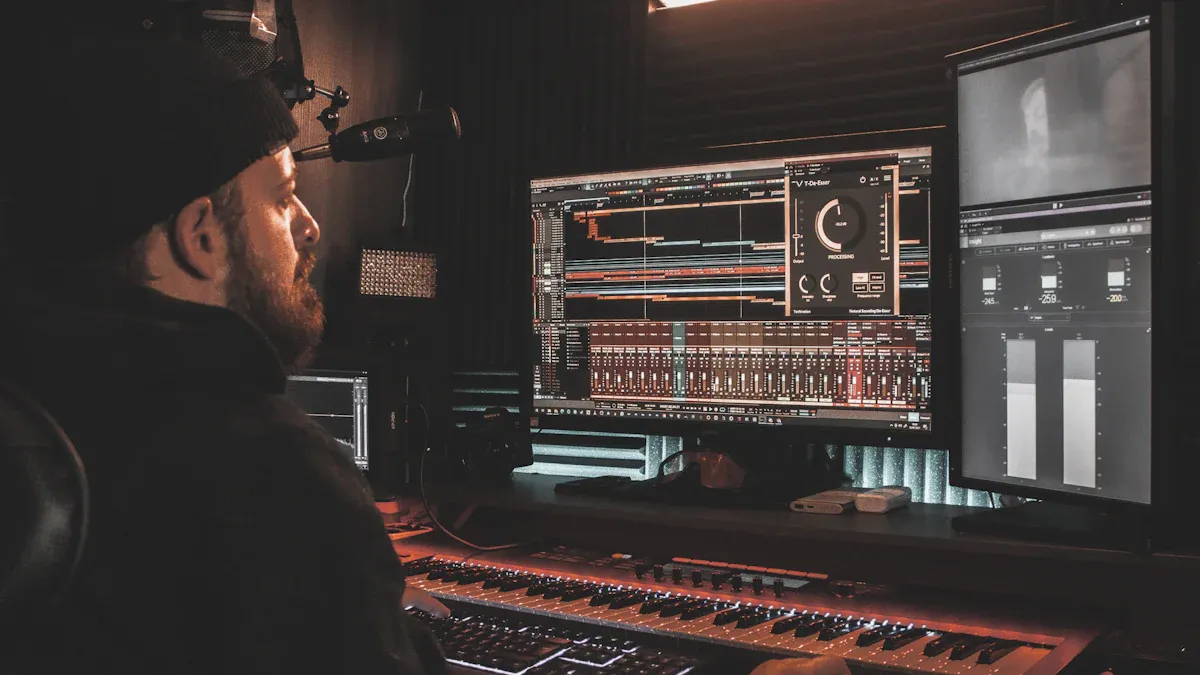
Broadcast studios rely on Multicore Systems to meet the growing demands of modern production. These systems streamline multitasking by distributing tasks across multiple cores, enabling real-time processing of high-resolution video and audio. With their ability to optimize workflows, they ensure seamless operations even during complex tasks. Tools like anEthernet splitter adapter or an Ethernet splitter cable further enhance connectivity, supporting efficient data transmission. By integrating multicore systems, studios achieve unparalleled efficiency and maintain their competitive edge in delivering high-quality content.
Key Takeaways
- Multicore systems work faster by sharing tasks between many cores. This helps studios handle high-quality video and sound instantly.
- These systems cut delays during live shows, making transitions smooth and streams steady. This makes watching better for viewers.
- Multicore systems let studios do many tasks at once. They manage tough jobs without losing speed or breaking down.
- Buying multicore systems saves money over time. Studios won’t need upgrades often and can lower running costs.
- ROXTONE customizes multicore systems to fit each studio’s needs. They help studios prepare for future growth too.
The Demands of Modern Broadcast Studios

Real-Time Processing Needs
Modern broadcast studios operate in environments where real-time processing is non-negotiable. Tasks such as live broadcasting, on-the-fly video editing, and instant graphics rendering demand systems capable of handling data with minimal delay. A delay of even a few milliseconds can disrupt live productions, affecting the viewer experience. Multicore systems excel in this domain by distributing workloads across multiple cores, ensuring smooth and uninterrupted operations. Their ability to process multiple streams of data simultaneously makes them indispensable for real-time applications.
Managing High-Resolution Video and Audio
The shift toward 4K and 8K resolutions has significantly increased the data requirements for video and audio processing. High-resolution content demands immense computational power to handle encoding, decoding, and rendering tasks efficiently. Multicore systems provide the necessary performance by leveraging parallel processing, which divides these tasks among multiple cores. This approach not only accelerates processing but also ensures that studios can maintain the highest quality standards. For instance, during video rendering, multicore systems can process multiple frames concurrently, reducing overall production time.
Multitasking Across Complex Workflows
Broadcast studios juggle multiple workflows simultaneously, from live streaming to post-production editing. Efficient multitasking is critical to maintaining productivity and meeting tight deadlines. Performance benchmarks like PassMark, Geekbench, and SPECworkstation highlight the efficiency of multicore systems in handling such complex workflows. These tools measure CPU performance across various tasks, showcasing their ability to manage demanding applications like 3D modeling, rendering, and media production. By utilizing multicore systems, studios can seamlessly switch between tasks without compromising performance or stability.
How Multicore Systems Address Studio Challenges
Parallel Processing for Workflow Optimization
Broadcast studios often face the challenge of managing multiple tasks simultaneously, such as video rendering, encoding, and live streaming. Multicore systems excel in optimizing workflows by leveraging parallel processing, which distributes tasks across multiple cores. This approach significantly reduces processing time and enhances overall efficiency.
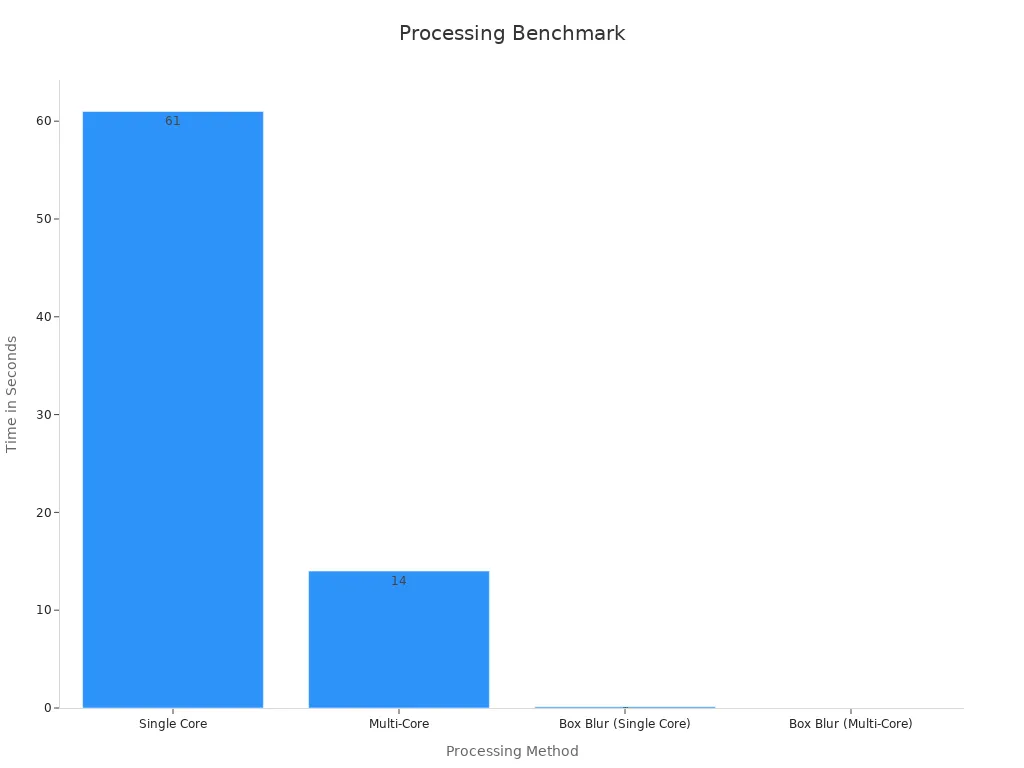
For example, when comparing single-core and multicore processing methods, multicore systems demonstrate remarkable improvements in speed. The table below illustrates the time taken for various tasks:
| Processing Method | Time Taken |
|---|---|
| Single Core | 61 seconds |
| Multi-Core | 14 seconds |
| Box Blur (Single Core) | 0.1375 seconds |
| Box Blur (Multi-Core) | 0.004 seconds |
These results highlight the transformative impact of multicore systems on workflow optimization. Studios can complete tasks faster, allowing them to focus on creative aspects of production.
Reducing Latency in Live Broadcasting
Live broadcasting demands systems that can process data with minimal delay. Multicore systems address this challenge by enabling simultaneous processing of multiple data streams. This capability reduces latency, ensuring smooth transitions and uninterrupted live feeds.
For instance, during a live sports event, multicore systems allow broadcasters to manage real-time graphics overlays, audio synchronization, and camera switching without compromising performance. By minimizing latency, these systems enhance the viewer experience and maintain the studio's reputation for reliability.
Enhancing System Reliability and Stability
Broadcast studios require systems that can operate consistently under heavy workloads. Multicore systems provide enhanced reliability and stability by distributing computational tasks evenly across cores. This balanced approach prevents system overloads and reduces the risk of crashes during critical operations.
Additionally, multicore systems are designed to handle unexpected spikes in demand, such as during live events or high-resolution post-production tasks. Their robust architecture ensures that studios can maintain uninterrupted operations, even during peak usage.
By integrating multicore systems, studios achieve a dependable infrastructure that supports their commitment to delivering high-quality content. ROXTONE’s expertise in multicore system integration further ensures that studios receive tailored solutions optimized for their unique needs.
Key Applications of Multicore Systems in Broadcast Studios
Video Rendering and Encoding
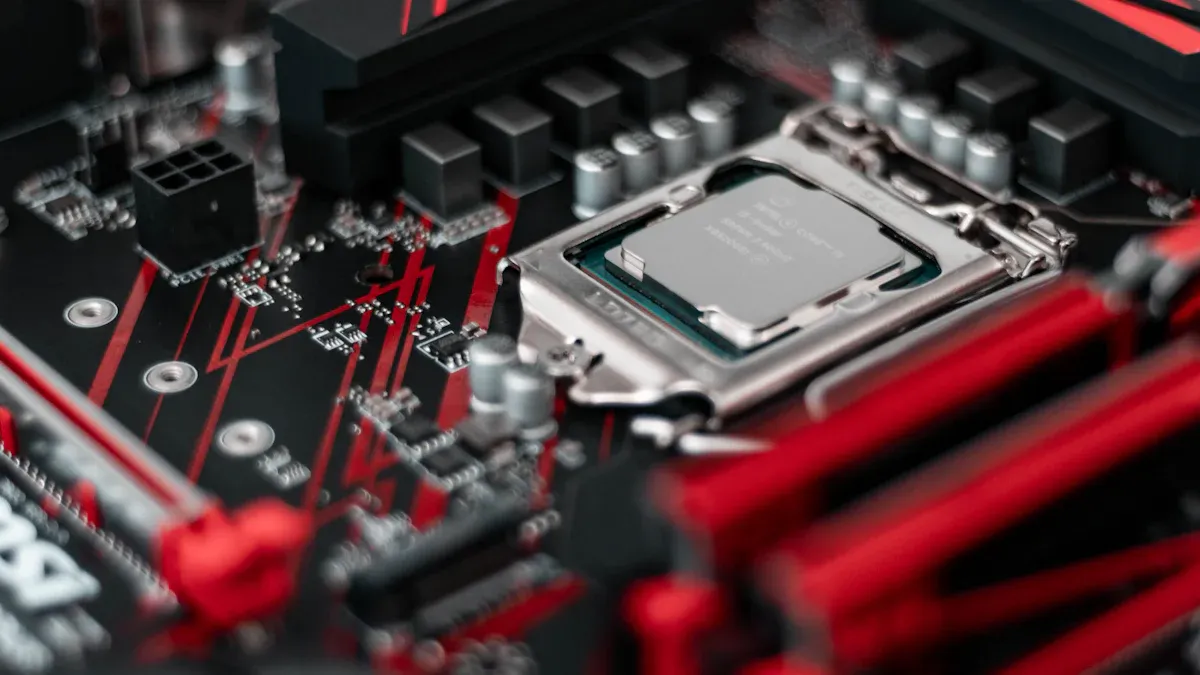
Multicore systems play a pivotal role in video rendering and encoding workflows. Studios often deal with high-resolution formats like 4K and 8K, which demand substantial computational power. Multicore systems distribute rendering tasks across multiple cores, enabling faster processing and reducing production time.
For example, during video encoding, each core processes a segment of the video simultaneously. This parallel approach ensures that studios can meet tight deadlines without compromising quality. Additionally, multicore systems support advanced encoding techniques, such as HEVC (High-Efficiency Video Coding), which require significant processing power to compress video files while maintaining high resolution.
Tip: Studios can maximize efficiency by pairing multicore systems with optimized software tools, ensuring seamless integration and enhanced performance during rendering and encoding tasks.
Live Streaming and Real-Time Broadcasting
Live streaming and real-time broadcasting demand systems capable of handling multiple data streams simultaneously. Multicore systems excel in this domain by enabling broadcasters to manage complex workflows, such as video feeds, audio synchronization, and graphics overlays, without latency.
During live events, multicore systems ensure smooth transitions between camera angles and real-time updates to on-screen graphics. For instance, sports broadcasters rely on these systems to deliver instant replays and live statistics while maintaining uninterrupted feeds. The ability to process multiple streams concurrently enhances the viewer experience and ensures reliability during critical broadcasts.
Multicore systems also support adaptive bitrate streaming, which adjusts video quality based on network conditions. This feature allows studios to deliver consistent content quality to viewers, even in fluctuating bandwidth scenarios.
Post-Production and Audio Processing
Post-production workflows benefit significantly from the capabilities of multicore systems. Tasks such as editing, color grading, and audio processing require systems that can handle multiple plugins and tracks simultaneously. Multicore systems optimize these workflows by distributing computational tasks across cores, ensuring smooth operations even under heavy workloads.
-
Unordered List:
- Users have reported that Cubasis can handle a significant number of plugins simultaneously, showcasing the efficiency of multicore systems.
- One user noted the ability to add mastering plugins while keeping the track 'live,' highlighting real-time audio processing capabilities.
-
Ordered List:
- Multicore rendering has been implemented in Cubasis 3.1 for Android and 3.2 for iOS.
- Devices with more than two CPU cores render multiple tracks simultaneously during playback and mixdown.
- Devices with only two CPU cores allocate one core for non-audio tasks, ensuring balanced performance.
Multicore systems also enhance audio processing by enabling real-time effects application and mastering. Studios can experiment with multiple plugins without experiencing lag or crashes, allowing for greater creative freedom. By leveraging multicore systems, post-production teams achieve faster turnaround times and higher-quality results.
Scalability and Future-Proofing with Multicore Systems
Supporting Studio Growth and Expansion
Broadcast studios constantly evolve to meet increasing production demands and audience expectations. A multicore system provides the scalability required to support this growth. By enabling studios to handle larger workloads, these systems ensure seamless operations even as the number of tasks and complexity increases. For instance, a studio expanding its services to include simultaneous live streaming and post-production can rely on multicore systems to manage these workflows efficiently.
Moreover, multicore systems allow studios to integrate additional hardware and software without compromising performance. This adaptability ensures that studios can scale their operations without the need for frequent infrastructure overhauls. As a result, they can focus on delivering high-quality content while maintaining operational efficiency.
Adapting to Technological Advancements
The broadcast industry is driven by rapid technological advancements, such as the adoption of 8K resolution, virtual reality (VR), and artificial intelligence (AI) tools. Multicore systems are designed to adapt to these innovations, providing the computational power necessary to implement cutting-edge technologies.
For example, AI-driven tools for automated editing or real-time analytics require significant processing capabilities. Multicore systems distribute these tasks across cores, ensuring smooth and efficient operations. This adaptability positions studios to stay ahead of industry trends and deliver innovative content that meets modern viewer expectations.
Ensuring Long-Term Cost Efficiency
Investing in a multicore system offers long-term cost benefits for broadcast studios. These systems reduce the need for frequent hardware upgrades by providing the flexibility to handle future demands. Additionally, their ability to optimize workflows minimizes operational costs by reducing processing times and energy consumption.
Studios can also save on maintenance expenses, as multicore systems are built for reliability and durability. By choosing scalable and future-proof solutions, studios achieve a higher return on investment while maintaining their competitive edge in the industry.
Note: ROXTONE’s expertise in multicore system integration ensures that studios receive tailored solutions designed for scalability and long-term efficiency.
Why ROXTONE Recommends Multicore Systems
ROXTONE’s Expertise in Broadcast Solutions
ROXTONE has established itself as a leader in broadcast technology by delivering solutions tailored to the unique demands of studios. Their team of experts understands the intricacies of modern workflows, including live broadcasting, post-production, and high-resolution content processing. By leveraging industry knowledge, ROXTONE designs systems that optimize performance and reliability. Studios benefit from ROXTONE’s deep understanding of multicore system architecture, ensuring seamless integration and maximum efficiency.
Note: ROXTONE’s solutions are built to address the challenges of real-time operations, enabling studios to maintain high-quality output under demanding conditions.
Tailored Multicore System Integration for Studios
Every broadcast studio operates with distinct workflows and requirements. ROXTONE specializes in customizing multicore system integration to meet these specific needs. Their approach begins with a comprehensive assessment of the studio’s infrastructure and production goals. Based on this analysis, ROXTONE develops solutions that align with the studio’s objectives, whether it involves scaling operations or enhancing processing speed.
- Key Benefits of ROXTONE’s Tailored Integration:
- Optimized system performance for high-resolution video rendering.
- Enhanced multitasking capabilities for complex workflows.
- Reliable infrastructure for live streaming and real-time broadcasting.
ROXTONE’s tailored solutions empower studios to achieve operational excellence while maintaining flexibility for future growth.
Commitment to Efficiency and Innovation
ROXTONE prioritizes efficiency and innovation in every solution they deliver. Their multicore systems are designed to reduce latency, improve workflow optimization, and ensure system stability. By incorporating the latest advancements in technology, ROXTONE enables studios to stay ahead of industry trends.
For example, ROXTONE integrates adaptive technologies that support emerging formats like 8K resolution and virtual reality. These innovations allow studios to expand their creative capabilities without compromising performance. ROXTONE’s commitment to efficiency ensures that studios can produce high-quality content while minimizing operational costs.
Tip: Studios partnering with ROXTONE gain access to cutting-edge solutions that enhance productivity and position them for long-term success.
Multicore systems empower broadcast studios to meet the demands of modern production workflows. Their ability to handle real-time operations and high-resolution content processing ensures studios maintain efficiency and reliability. These systems also provide scalability, enabling studios to adapt to evolving industry challenges. ROXTONE’s expertise in integrating multicore systems positions it as a trusted partner for studios seeking tailored solutions. By leveraging ROXTONE’s innovative approach, studios can enhance productivity and deliver exceptional content to their audiences.
FAQ
What are multicore systems, and why are they important for broadcast studios?
Multicore systems consist of processors with multiple cores that work simultaneously. They are vital for broadcast studios because they enable efficient multitasking, real-time processing, and high-resolution content handling. This ensures smooth operations and high-quality output, even during demanding workflows.
How do multicore systems improve live broadcasting?
Multicore systems reduce latency by processing multiple data streams simultaneously. This capability ensures smooth transitions, real-time graphics overlays, and uninterrupted live feeds. Broadcasters can rely on these systems to deliver seamless live events, enhancing the viewer experience and maintaining reliability.
Can multicore systems handle future technological advancements?
Yes, multicore systems are designed to adapt to emerging technologies like 8K resolution, virtual reality, and AI tools. Their scalability and computational power make them ideal for integrating advanced features, ensuring studios remain competitive and future-ready.
What makes ROXTONE’s multicore solutions unique?
ROXTONE specializes in tailored multicore system integration. Their solutions optimize performance for specific studio workflows, such as video rendering and live streaming. With a focus on efficiency and innovation, ROXTONE ensures studios achieve operational excellence and scalability.
Are multicore systems cost-effective for studios?
Multicore systems offer long-term cost efficiency by reducing the need for frequent upgrades and minimizing operational expenses. Their reliability and ability to optimize workflows result in lower maintenance costs and higher returns on investment for studios.