


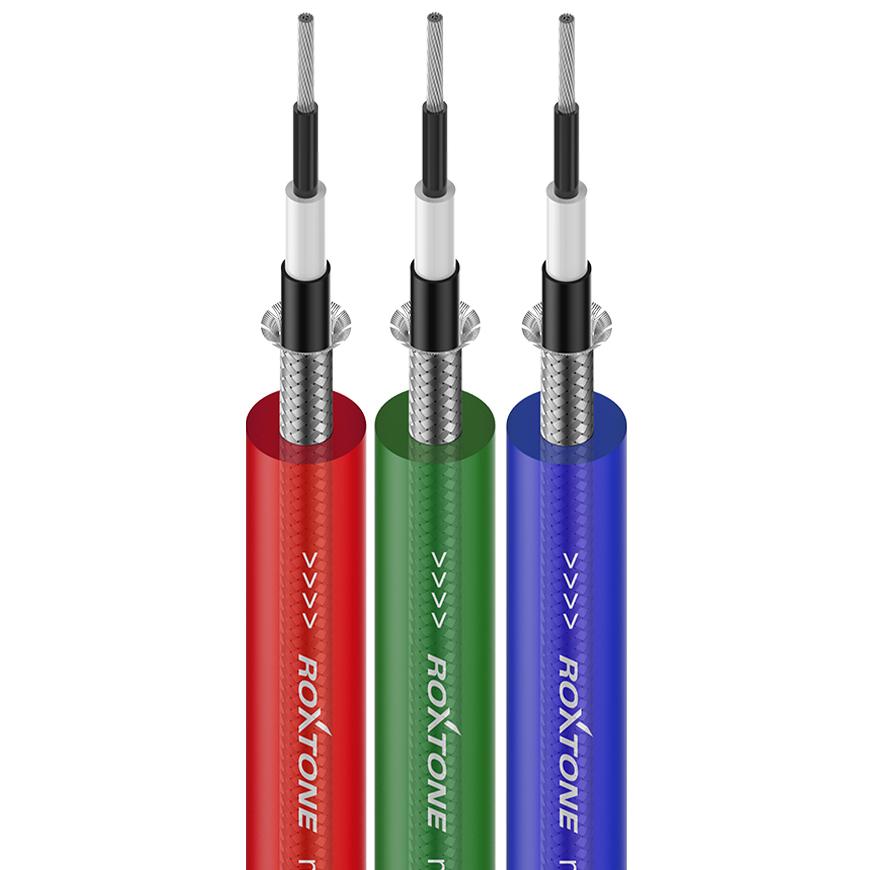



What Makes Microphone Cables with 2 x 0.14mm² Balanced Patch Cable Reliable
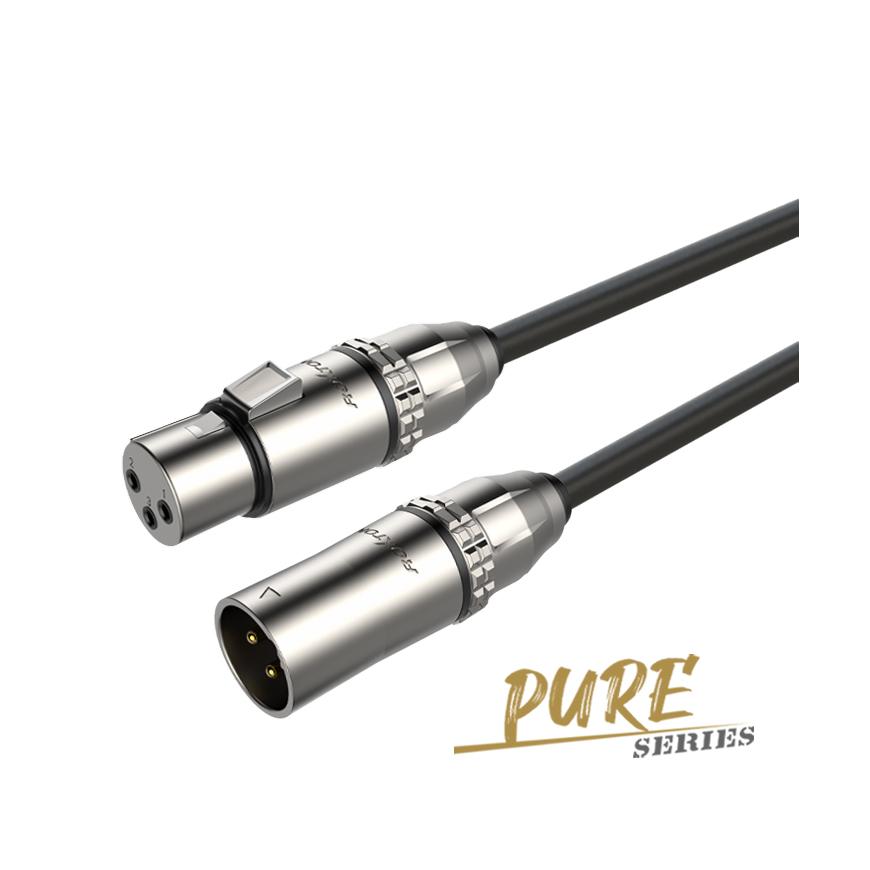
Microphone Cables with 2 x 0.14mm² balanced patch cable deliver reliable audio by combining strong shielding and premium copper cores. Many audio professionals choose Bulk Cables for installations, Guitar cabes for instruments, and Pro audio instrument cables for studio setups. Premade instrument cables ensure consistent performance in demanding environments.
Key Takeaways
- Microphone Cables with 2 x 0.14mm² balanced patch design deliver clear, noise-free sound thanks tostrong shielding and balanced signal transmission.
- Their slim, flexible build saves space and fits easily in tight studio or rack setups, making installation neat and efficient.
- Choosing the right cable length and handling cables carefully helps maintain sound quality and extends cable life.
Microphone Cables: Key Features of 2 x 0.14mm² Balanced Patch Cable
Core Size and Signal Quality
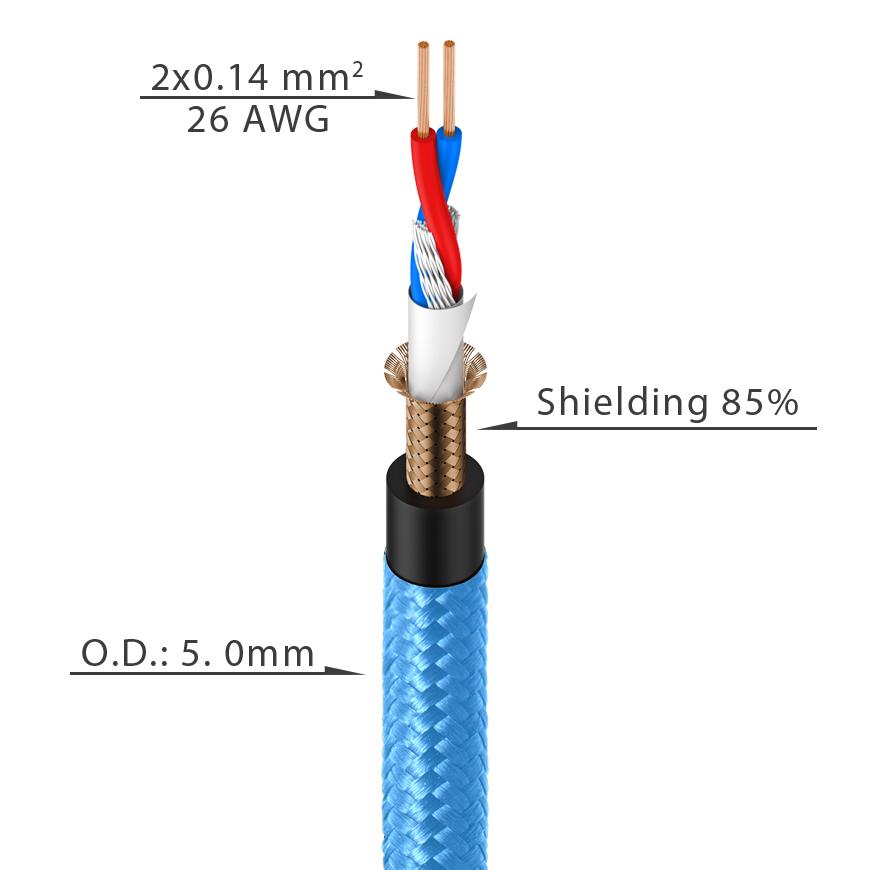
The 2 x 0.14mm² core size offers a balance between conductivity and flexibility. Each conductor contains 18 strands of 0.10mm copper wire, which ensures excellent signal transmission. This design helps maintain clear audio, even over longer distances. The Linear Low-Density Polyethylene (LLDPE) insulation improves electrical performance and tensile strength. ROXTONE engineers select this core size to deliver reliable sound quality for both studio and live environments. Microphone cables with this specification provide consistent performance, making them a trusted choice for professionals.
Balanced Design and Noise Rejection
Balanced Microphone cables use two conductors and a shield to carry audio signals. This design cancels out unwanted noise and interference.Technical studies, such as those by Jim Brown, show that balanced cables reduce noise by addressing issues like shield-current-induced noise and the "pin 1 problem." Market research confirms that balanced cables are preferred in professional audio because they offer superior noise rejection. Advanced shielding and high-quality conductors further enhance noise resistance. The star-quad cable design, explained in Sound On Sound, demonstrates how balanced geometry can improve noise rejection by up to 20dB. ROXTONE incorporates these principles to ensure their microphone cables deliver clean, interference-free audio.
Shielding and Construction Durability
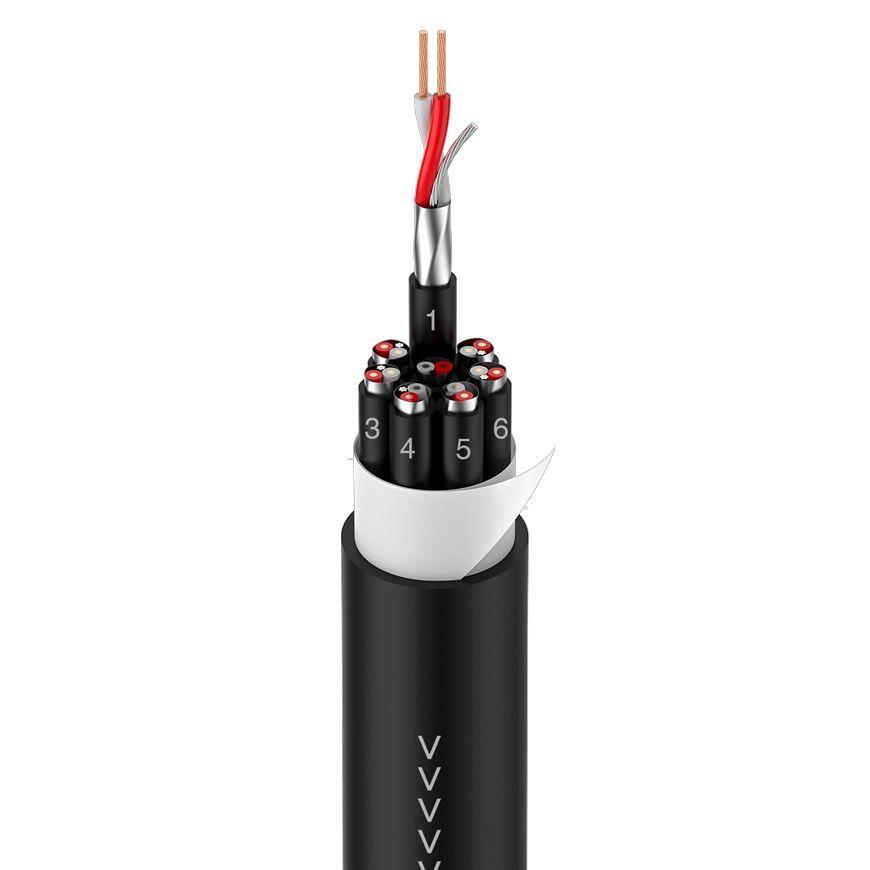
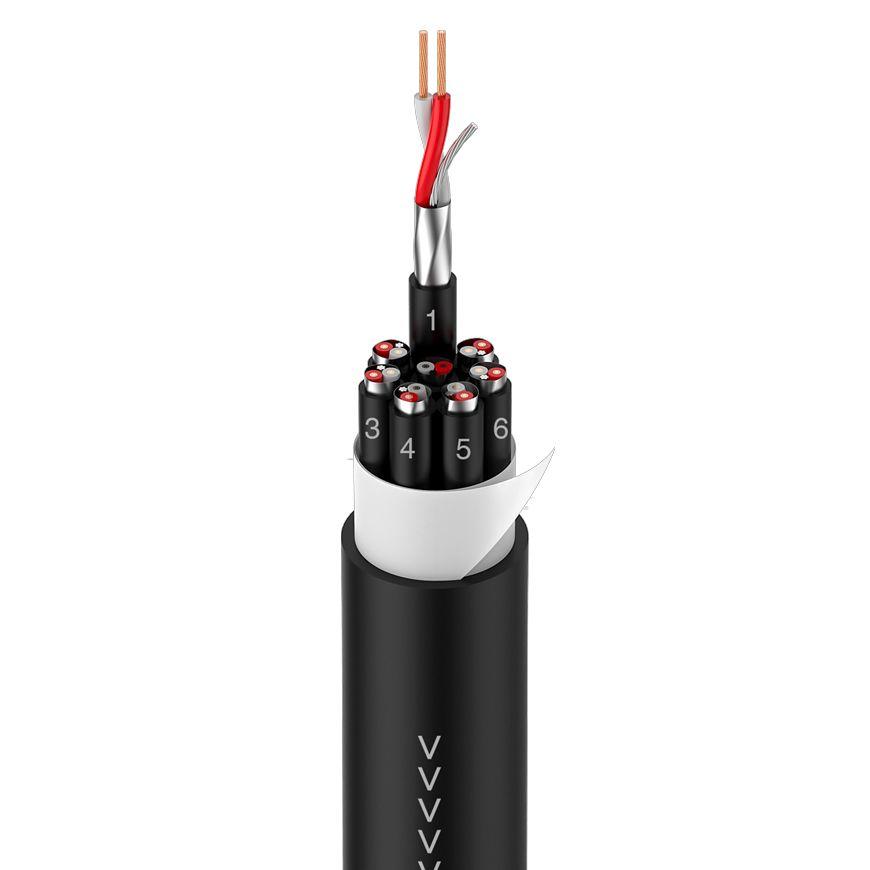
Shielding protects the audio signal from electromagnetic interference. The 2 x 0.14mm² balanced patch cable features a braided shield made of 96 strands of 0.10mm wire, providing an 85% shielding factor. This high level of shielding blocks external noise and ensures signal integrity. The robust PVC jacket, combined with a fabric covering, adds durability and flexibility. ROXTONE designs these microphone cables to withstand frequent handling and installation in demanding environments. The cable operates reliably in temperatures from -20°C to +70°C, making it suitable for various professional settings.
Flexibility and Space-Saving Design
Flexibility is essential for easy installation and cable management. The 2 x 0.14mm² balanced patch cable has asmall outside diameter of just 5.0mm. This slim profile allows for tight bends and easy routing in confined spaces. The following table compares the flexibility and handling characteristics of different microphone cable types:
| Cable Type | Conductor Size | Jacket Thickness & Material | Diameter (approx.) | Flexibility & Handling Characteristics |
|---|---|---|---|---|
| 2 x 0.14mm² Balanced Patch Cable | 2 x 0.14 mm² (26AWG) | Thin jacket (LLDPE insulation) | Small (around 5.0mm) | High flexibility, small outside diameter, ideal for patch cables and internal wiring, space-saving, suitable for mini XLR connectors |
| Typical Balanced Microphone Cable (24AWG) | 2 x 0.22 mm² | Thick soft PVC jacket | Larger | Very robust, still highly flexible, suitable for cable drums and easy winding |
| Typical Balanced Microphone Cable (22AWG) | 2 x 0.30 mm² | Dense copper braided shielding, PVC jacket | Larger | High flexibility, easy to wind, robust, suitable for cold resistance and professional use |
Note: The 2 x 0.14mm² balanced patch cable stands out for its high flexibility and space-saving design, making it ideal for professional studio patch connections and interior rack wiring.
ROXTONE’s microphone cables help audio professionals manage complex setups efficiently. The slim jacket and flexible construction allow for neat, organized installations, even in crowded racks or tight studio spaces. Users can route multiple cables without clutter, ensuring a clean and professional appearance.
Microphone Cables: Comparison with Other Types
Advantages Over Unbalanced Cables
Balanced microphone cables with a 2 x 0.14mm² core size offer strong protection against noise. Their design uses two conductors and a shield, which helps cancel out unwanted interference. In high-interference environments, these cables perform better than unbalanced cables. The shielding and balanced signal transmission work together to keep audio signals clean and clear. Unbalanced cables lack this level of shielding and often pick up more noise, especially in busy studio or stage setups. Many professionals choose balanced cables for reliable sound in challenging conditions.
Differences from Thicker or Thinner Core Microphone Cables
Microphone cables come in different core sizes. The 2 x 0.14mm² balanced patch cable uses a small diameter and thin jacket. This makes it flexible and easy to install in tight spaces, such as inside racks or patch bays. Thicker cables, like those with 0.22mm² or 0.30mm² cores, can carry more current and may handle longer runs with less signal loss. However, they take up more space and may not fit well in compact setups. Thinner cables save space but may not perform as well over long distances. The 2 x 0.14mm² size strikes a balance between flexibility and reliable signal quality for short to medium runs.
Limitations and Considerations
Users should match the cable to the application for best results.
- The small conductor size of 0.14mm² works well for internal wiring and patch connections but may limit current capacity.
- The thin PVC jacket (5.0mm diameter) provides flexibility but is less rugged for heavy-duty or outdoor use.
- This cable is ideal for short-distance connections, studio setups, and mini XLR microphone cables.
- It may not perform as well for long cable runs or in harsh environments.
- Users should avoid using this cable for heavy-duty or long-distance audio transmission.
Microphone Cables: Choosing and Using for Best Results
Matching Cable to Application
Selecting the right cable for each audio setup ensures optimal performance. Audio professionals consider several factors when matching 2 x 0.14mm² balanced patch cables to microphones or equipment:
- The special LLDPE insulation provides strong electrical performance and tensile strength, which supports reliable signal transmission.
- High-quality shielding, such as 100% AL fleece and a drain wire, protects against interference. This is critical in professional audio environments where noise can affect sound quality.
- The cable’s flexibility, achieved through stranded wire technology, makes it suitable for tight spaces, internal rack wiring, or mini XLR microphone cables.
Tip: Always choose cables that match the connector type and space requirements of your setup.
Tips for Maximizing Reliability and Longevity
Proper use and care extend the life of microphone cables and maintain sound quality. Consider these best practices:
- Use the shortest cable length possible to reduce capacitance and resistance.
- Select cables with robust shielding to prevent electromagnetic and radio frequency interference.
- Avoid sharp bends or excessive stretching, which can damage internal wires.
- Store cables neatly to prevent tangling and wear.
Good cable management and regular inspection help prevent signal loss and equipment issues.
Common Mistakes to Avoid
Improper cable selection or handling can harm audio quality and equipment lifespan. Common mistakes include:
- Using cables that are too long, which increases resistance and causes signal loss.
- Choosing cables with poor shielding, leading to noise and interference.
- Handling cables roughly, which can cause internal damage and reduce reliability.
- Ignoring connector compatibility, which may result in poor connections or equipment damage.
Note: Careful selection and maintenance of microphone cables ensure clear sound and long-lasting performance.
Audio professionals and enthusiasts value 2 x 0.14mm² balanced patch cables for their reliability.
- The slim design saves space in racks and patch bays.
- High flexibility and strong shielding ensure clear sound.
- Special insulation and stranded wire technology support durability and easy handling.
Choosing the right cable and maintaining it properly ensures dependable performance in any setup.
By: Roxtone
Tel: +86 574 87154705
Fax:+86 574 56138190
E-mail: [email protected]
Facebook: Roxtone
Youtube: Roxtone
X: Roxtone