





Selecting the Right Audio Speaker Plugs for Your Home Theater
Choosing the right audio speaker plugs plays a critical role in achieving superior sound quality and system efficiency. Proper connectors, such as banana plug connectors or binding post connectors, minimize insertion loss, maintaining levels below -0.2 dB for optimal fidelity. They also ensure a damping factor above 50, which enhances bass clarity and system linearity. Reliable loudspeaker connectors simplify installation while protecting speaker cable connectors and ensuring seamless compatibility with your home theater system.
Key Takeaways
- Pick the right speaker plugs to make sound better and clearer. Good plugs reduce signal loss and improve how audio sounds.
- Make sure your speaker plugs fit your audio system terminals. This avoids connection problems and keeps sound quality high.
- Use plugs made from good materials. They carry sound better and last longer in your setup.
Types of Audio Speaker Plugs
Banana Plugs
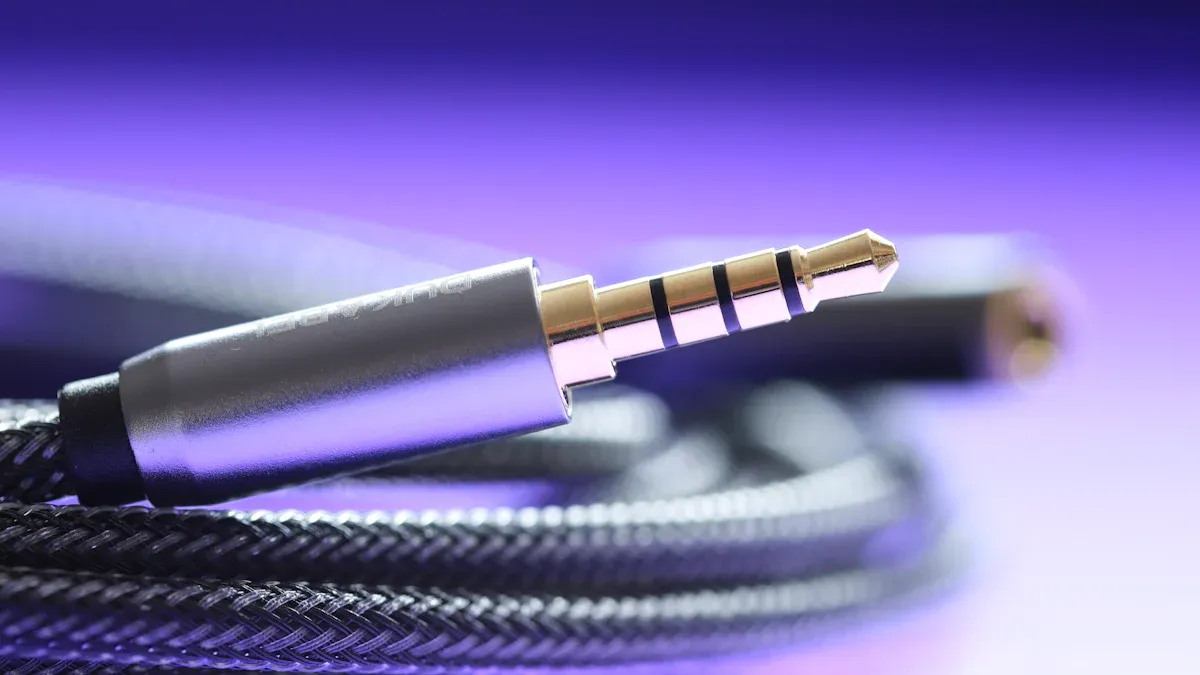
Banana plugs are among the most popular choices for connecting speakers to audio systems. Their cylindrical design, featuring spring-loaded metal leaves, ensures a secure and efficient connection. These plugs are highly versatile, supporting a wide range of audio, video, and testing equipment. Their stackable and retractable features enhance usability, making them a favorite for both professionals and hobbyists.
The design of banana plugs prioritizes optimal signal transfer. Wide contact leaf springs maximize surface-to-wire contact, reducing signal loss. Precision-machined connectors improve electromagnetic compatibility, ensuring audio signals remain clear and distortion-free. Additionally, their low-resistance interface maintains signal purity, making them ideal for high-fidelity audio setups.
Tip: For those seeking a reliable and user-friendly option, banana plugs simplify installation and provide consistent performance in home theater systems.
Spade Connectors
Spade connectors offer a secure and stable connection, particularly at the loudspeaker end. Their U-shaped design allows them to fit snugly around binding posts, which can then be tightened for a firm hold. This feature minimizes the risk of accidental disconnections and ensures consistent audio performance.
These connectors excel in home theater setups due to their ability to accommodate dimensional variations in terminals. By screwing down the connection, users can achieve a tighter fit, reducing potential signal interruptions. This secure fastening makes spade connectors a preferred choice for audiophiles who prioritize stability and sound quality.
Note: Spade connectors are especially beneficial in setups where vibrations or movement might otherwise loosen connections.
Pin Connectors
Pin connectors, also known as pogo pins, are designed for simplicity and compatibility with spring-clip terminals. They are particularly useful in older audio systems or compact setups where other connectors may not fit. These connectors provide a straightforward solution for connecting speaker wires to terminals.
| Feature | Pogo Pins | Traditional Connectors |
|---|---|---|
| Signal Quality | Enhanced signal quality | High data transfer rates |
| Reliability | Moderate reliability due to environmental sensitivity | High robustness with protective housings |
| Current Capacity | Limited current capacity | High current capacity |
| Cost-Effectiveness | More cost-effective in specific applications | Varies, but often higher due to complexity |
While pin connectors may not match the robustness of other types, they remain a practical choice for specific applications. Their compact design and ease of use make them a valuable addition to any audio enthusiast's toolkit.
XLR Connectors
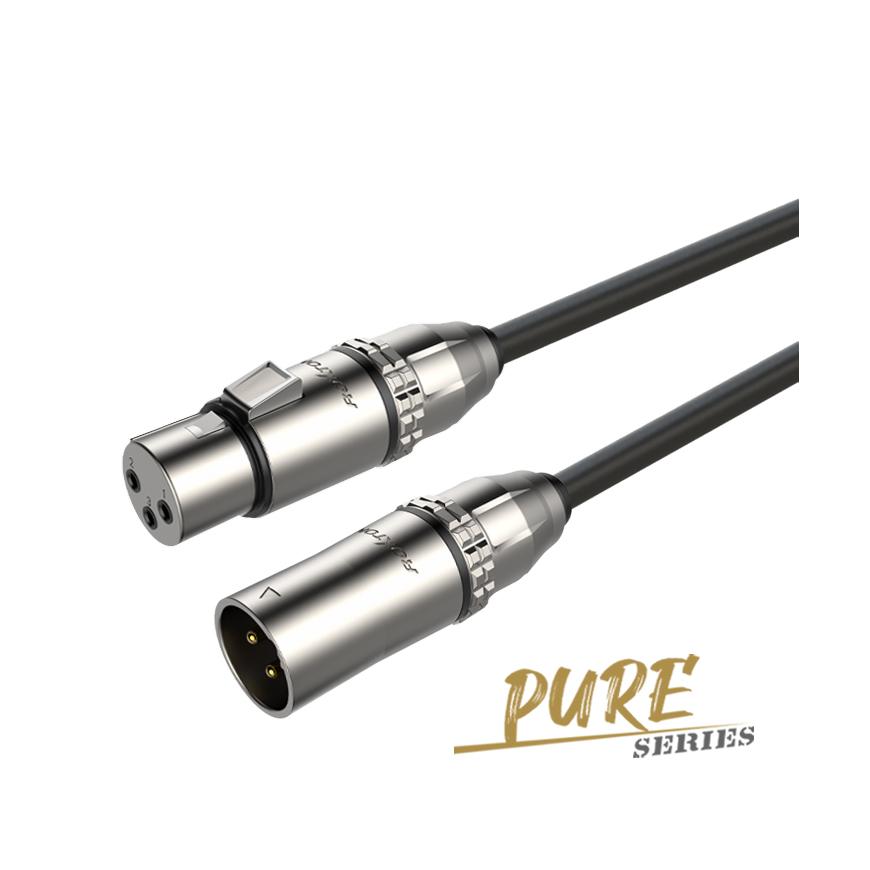
Xlr Connectors are a staple in professional audio setups, known for their durability and superior performance. These connectors utilize a three-pin system that ensures balanced audio transmission, reducing noise and interference. Their secure locking mechanism prevents accidental disconnections, making them ideal for live performances and studio recordings.
Xlr Cables are crafted with high-quality materials to withstand rigorous use. For instance, the Canare L-4E6S cable offers excellent resistance to magnetic interference, ensuring smooth sound production. Additionally, silver-plated contacts and durable die-cast zinc shells enhance signal transmission and longevity.
| Series | Conductor Type | Shield Type | Flexibility | Ideal Use |
|---|---|---|---|---|
| Performance Series | 24 AWG | Single spiral copper shield | High | Live sound events |
| Professional Series | 23 AWG | Single braided tinned copper shield | Moderate | Live sound events |
| Premium Series | 24 AWG (4 wires) | Dual shield (tinned & bare copper) | Low | Studio recording, Hi-Fi systems |
Tip: XLR connectors are the go-to choice for those seeking professional-grade audio quality and reliability.
SpeakON Connectors
SpeakON connectors are designed specifically for professional audio systems, offering unmatched reliability and safety. Their unique locking mechanism prevents accidental disconnections, making them indispensable for live performances and high-power audio setups. These connectors are also highly durable, withstanding frequent use and harsh conditions.
Compared to other plug types, SpeakON connectors excel in durability and performance. While they are primarily used in professional environments, their robust design makes them a valuable option for home theaters requiring high-power connections. However, their limited compatibility with other connectors should be considered when planning a setup.
Note: SpeakON connectors are ideal for users who prioritize secure connections and long-term durability in their audio systems.
Key Factors to Consider When Choosing Audio Speaker Plugs
Selecting the right audio speaker plugs requires careful consideration of several factors. Each aspect plays a crucial role in ensuring optimal sound quality, system compatibility, and long-term performance.
Compatibility with Your Audio System
Compatibility is the cornerstone of any successful audio setup. Speaker plugs must match the terminals on both the speakers and the receiver. For instance, banana plugs work well with binding posts, while pin connectors suit spring-clip terminals. Ensuring compatibility prevents connection issues and maintains signal integrity. Always verify the specifications of your audio system before purchasing plugs to avoid mismatches.
Tip: Check the user manuals of your speakers and receiver to identify the recommended plug types for seamless integration.
Wire Gauge and Length
The relationship between wire gauge, length, and signal loss is significant. A larger wire gauge number indicates a thinner wire, which has higher resistance. This resistance increases signal loss, especially over longer distances. For optimal performance, keep speaker cable lengths under 50 feet. Thicker wires, such as 12 or 14 AWG, improve conductivity, reduce impedance, and enhance sound clarity by minimizing noise and signal attenuation.
Example: A 16-gauge wire may suffice for short distances, but a 12-gauge wire is better for longer runs to maintain audio fidelity.
Material Quality and Conductivity
The material of the speaker plugs directly impacts conductivity and audio performance. High-quality materials like copper and silver offer superior conductivity, ensuring minimal signal loss. The table below highlights the conductivity and performance impact of various materials:
| Material Type | Conductivity | Audio Performance Impact |
|---|---|---|
| ETP Copper | 99.99% IACS | Low contact resistance leads to improved sound performance |
| Brass | 25-30% | Lower sound quality due to higher resistance |
| Phosphor Bronze | 13% | Significantly reduced audio performance due to low conductivity |
Additionally, advanced designs, such as five-leaf clamps and non-magnetic stainless steel screws, enhance stability and reduce resistance. Gold plating further improves conductivity and sound quality by preventing oxidation.
- Gold plating enhances conductivity and sound quality.
- Non-magnetic multi-layer plating (Cu–Ag–Au–Rh) creates a wide sound stage.
- Pure Rh plating improves sound characteristics through optimal layer arrangement.
Note: Investing in high-quality materials ensures long-term performance and reliability.
Ease of Installation and Handling
User-friendly installation simplifies the setup process and reduces the risk of errors. Banana plugs, for example, are easy to attach and provide a secure connection. Features like color-coded housings and ergonomic designs enhance usability. Spade connectors, with their screw-down mechanism, offer stability in environments prone to vibrations.
Tip: Choose plugs with clear markings and intuitive designs to streamline the installation process.
Budget and Value for Money
Balancing cost and quality is essential when selecting audio speaker plugs. While premium materials and advanced designs may come at a higher price, they often deliver better performance and durability. Consider your budget and prioritize features that align with your audio system's requirements. For instance, copper plugs offer excellent value for money due to their high conductivity and affordability.
Recommendation: Evaluate the long-term benefits of investing in high-quality plugs to avoid frequent replacements and ensure consistent performance.
Step-by-Step Guide to Selecting the Right Audio Speaker Plugs
Evaluate Your Home Theater System’s Requirements
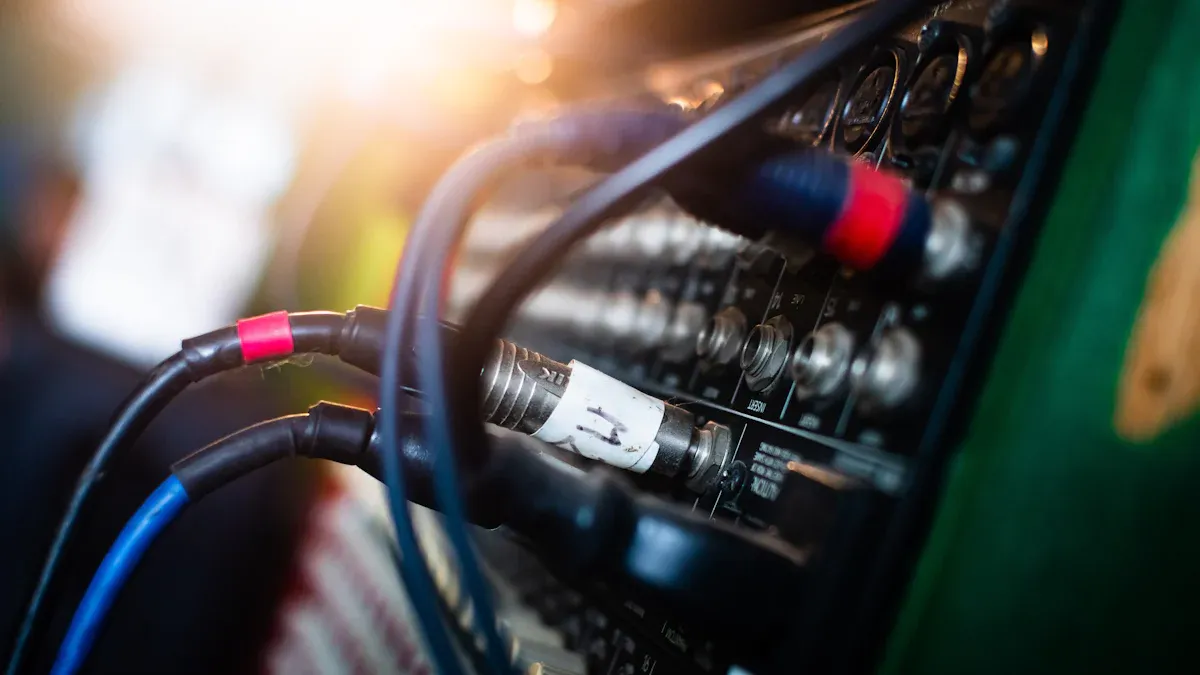
Understanding the specific needs of your home theater system is the first step in selecting the right audio speaker plugs. Begin by identifying the type of connections your system supports. For example, modern systems often use banana plugs, while older setups may require pin connectors. Evaluate the power output of your amplifier and the impedance of your speakers to ensure compatibility. Systems with high power output benefit from plugs designed for minimal resistance, such as gold-plated banana plugs.
Check Speaker and Receiver Terminal Compatibility
Matching the terminals of your speakers and receiver with the appropriate plug type is crucial. Incompatibility can lead to issues such as signal loss or clipping. For instance, a clip level mismatch can raise the noise floor, reducing dynamic range. To avoid this, verify the clip level specifications of your system. If necessary, consider external attenuators to balance the input and output levels. This step ensures seamless integration and optimal performance.
| Issue | Description |
|---|---|
| Clip Level Mismatch | Limits dynamic range and raises the noise floor, affecting sound quality. |
| Clipping Risk | May require manual output level limiting to prevent distortion. |
| Design Recommendation | Check clip level specifications and use attenuators if needed. |
Choose the Right Plug Type for Your Setup
Selecting the appropriate plug type depends on your system's design and usage. Banana plugs are ideal for quick and secure connections, while spade connectors offer stability in vibration-prone environments. SpeakON connectors are recommended for high-power systems due to their locking mechanism. Evaluate the pros and cons of each type to determine the best fit for your setup.
Test for Sound Quality and Signal Integrity
Testing ensures that the chosen plugs deliver the desired audio performance. Measure the frequency response to confirm consistent output across the audible range. Assess the signal-to-noise ratio (SNR) to ensure clarity, and check the dynamic range for accurate reproduction of sound levels. These tests validate the effectiveness of your audio speaker plugs and help identify any potential issues.
| Measurement Type | Description |
|---|---|
| Frequency Response | Confirms consistent output across the frequency range. |
| Signal-to-Noise Ratio (SNR) | Indicates the clarity of the audio signal by comparing it to the noise floor. |
| Dynamic Range | Measures the difference between the maximum output level and the noise floor. |
Installation Tips for Optimal Performance
Proper installation maximizes the performance of your audio speaker plugs. Clean the terminals with isopropyl alcohol to remove oxidation and improve contact. For banana plugs, solder the wires to ensure a secure electrical connection. When running cables through conduits, use a synthetic wax-based lubricant to prevent damage. Avoid kinking or binding the cables during installation to maintain signal integrity.
- Apply cable lubricant liberally at the feed end when pulling through conduits.
- Limit conduit segments to 100 feet without intermediate pull points.
- Use direct burial-grade cables for underground installations.
These practices enhance the durability and performance of your audio system.
Selecting the right audio speaker plugs ensures superior sound quality, system compatibility, and ease of use. Proper plug selection enhances audio fidelity and system performance. Key factors include system interaction, musical preferences, personal sonic preferences, and specific recordings. Assessing these elements helps users make informed decisions tailored to their unique home theater needs.
FAQ
What are the benefits of using audio speaker plugs?
Audio speaker plugs simplify connections, reduce signal loss, and enhance sound quality. They also protect cables from wear and ensure a secure, reliable connection.
Can audio speaker plugs improve sound quality?
Yes, high-quality audio speaker plugs minimize resistance and signal interference. This results in clearer sound reproduction and better overall audio performance in home theater systems.
How do I choose the right audio speaker plugs for my system?
Evaluate your system's terminal type, wire gauge, and power requirements. Match these with the plug type that offers compatibility and optimal performance for your setup.