





How to Securely Attach Banana Plug Connectors to Speaker Wires
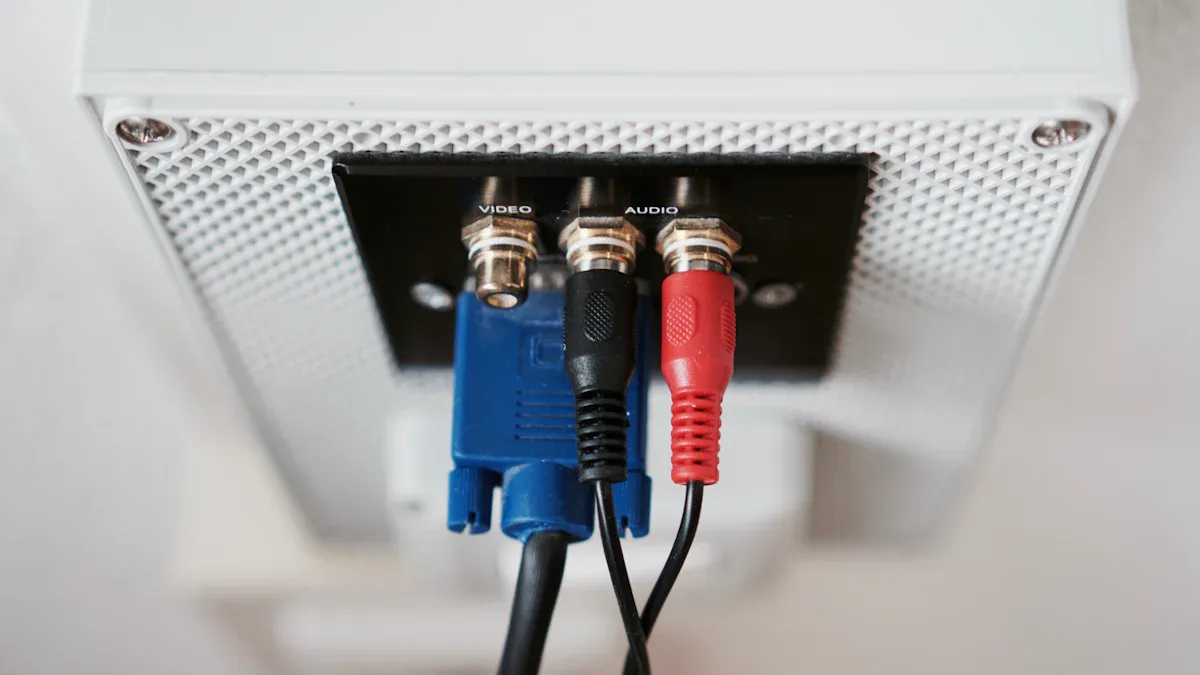
Connecting banana plug connectors to speaker wires enhances both functionality and aesthetics. These connectors simplify the process of attaching speaker cable connectors to loudspeaker connectors, creating a secure and reliable connection. Users benefit from improved audio quality, reduced signal loss, and a cleaner setup. Unlike binding post connectors, banana plugs offer convenience and compatibility with various speaker connectors.
Proper installation ensures longevity and optimal performance, making Banana plug connectors a preferred choice for audio enthusiasts.
Key Takeaways
- Use the correct tools to install. Wire strippers, cutters, and good banana plugs are important for a strong connection.
- Strip the speaker wire carefully. Take off just enough covering to keep the copper wires safe and ensure a neat connection.
- Check the connection after installing. Use a multimeter to test if it works and listen for clear sound to make sure it’s set up right.
Tools and Materials for Installing Banana Plug Connectors
Essential Tools and Materials
Proper installation of banana plug connectors requires specific tools and materials to ensure a secure and reliable connection. Below is a list of essential items:
- Wire Strippers: Choose a stripper compatible with the gauge of your speaker wire. This tool ensures clean and precise removal of insulation.
- Wire Cutters or Scissors: These are necessary for trimming the wire to the desired length.
- Screwdriver: A small flathead or Phillips screwdriver is often required for securing screw-on banana plugs.
- Heat Shrink Tubing or Electrical Tape: These materials provide insulation and prevent short circuits.
- Banana Plug Connectors: Opt for high-quality connectors, such as gold-plated or rhodium-plated, to enhance conductivity and resist corrosion.
- Multimeter: Use this tool to test the continuity and integrity of the connection after installation.
These tools and materials form the foundation for a successful installation process. Selecting high-quality items ensures durability and optimal audio performance.
Optional Tools for Advanced Installation
For those seeking a more professional or customized setup, additional tools can enhance the installation process:
- Soldering Iron and Solder: Ideal for solder-type banana plug connectors, this tool creates a more permanent and stable connection.
- Heat Gun or Lighter: These tools are useful for shrinking heat tubing to insulate connections securely.
- Paracord: Available in various colors, paracord can be used to bundle and organize speaker wires for a cleaner appearance.
- Permanent Marker: Marking wires helps identify polarity and prevents incorrect connections.
While optional, these tools provide added convenience and precision, especially for advanced users or those working with complex audio setups.
Types of Speaker Wires Compatible with Banana Plug Connectors
Banana plug connectors are versatile and compatible with a wide range of speaker wires. However, understanding the types of wires that work best ensures a seamless installation:
- Standard Speaker Wires: These include 16 AWG to 12 AWG wires, which are commonly used in home audio systems.
- High-End Wires with Teflon Insulation: Teflon insulation minimizes capacitance and signal loss, making it ideal for audiophiles.
- Multi-Conductor Cables: For setups requiring multiple connections, such as bi-wiring, multi-conductor cables are a practical choice.
When selecting speaker wires, consider the gauge and insulation material. Thicker wires (lower AWG) are better for long runs or high-power systems, while high-quality insulation ensures signal integrity.
Tip: Always match the wire gauge to the banana plug connector's specifications for a secure fit and optimal performance.
Step-by-Step Guide to Attaching Banana Plug Connectors
Step 1: Strip the Speaker Wire Properly
Stripping the speaker wire is the first and most crucial step in attaching banana plug connectors. Proper wire stripping ensures a clean connection and prevents damage to the copper strands. Follow these steps for accurate results:
- Insert the speaker wire into a wire stripper, aligning it with the correct gauge slot.
- Close the stripper gently around the insulation. Apply enough pressure to grip the insulation without cutting into the copper strands.
- Hold the tool firmly in place and pull the wire to remove about 1/2 inch of insulation.
- Inspect the exposed wire to ensure no strands are damaged or missing.
Tip: Practice on spare wire before working on your actual Speaker Cables. This helps you perfect the technique and avoid mistakes.
For solder-type connectors, strip slightly more insulation (around 3/8 inch) to allow for a secure solder joint.
Step 2: Prepare the Wire Strands for Connection
Once the insulation is removed, the copper strands must be prepared for a stable connection. Proper preparation minimizes resistance and ensures optimal signal transfer.
- Twist the exposed copper strands gently but firmly to keep them neat and prevent fraying.
- Inspect the twisted wire to ensure all strands are aligned and tightly wound.
- For advanced setups, consider using a high-quality wire harness or cable assembly to maintain consistency and durability.
Note: Regular inspections of the wire's alignment and crimp strength can improve the overall connection quality.
Step 3: Attach the Banana Plug (Screw-On and Solder-Type Methods)
Attaching the banana plug depends on the type of connector being used. Below are the methods for screw-on and solder-type banana plug connectors:
Screw-On Banana Plug Method:
- Unscrew the base of the banana plug to reveal the hole for the wire.
- Insert the twisted wire into the hole, ensuring it fits snugly.
- Tighten the screw securely to hold the wire in place. Avoid overtightening, as this may damage the strands.
- Reassemble the banana plug by screwing the base back on.
Solder-Type Banana Plug Method:
- Heat the soldering iron and apply a small amount of solder to the tip for better heat transfer.
- Insert the twisted wire into the connector's hole.
- Touch the soldering iron to the wire and connector, allowing the solder to flow and create a strong bond.
- Let the solder cool completely before handling the connector.
Tip: Use heat shrink tubing to insulate the connection and prevent short circuits. A heat gun or lighter can shrink the tubing securely around the joint.
Step 4: Test the Connection for Stability and Performance
Testing the connection ensures that the banana plug connectors are securely attached and functioning correctly. Follow these steps to verify the installation:
- Connect the banana plugs to your audio equipment, ensuring a snug fit.
- Use a multimeter to check for continuity and confirm that the connection is stable.
- Play audio through the system and listen for clear, uninterrupted sound.
- Inspect the connectors periodically to ensure they remain tight and free from corrosion.
Pro Tip: High-quality banana plug connectors, such as those offered by ROXTONE, provide superior conductivity and durability, ensuring long-lasting performance.
By following these steps, users can securely attach banana plug connectors to their speaker wires, achieving a professional-grade audio setup.
Types of Banana Plug Connectors and Their Uses
Banana plug connectors come in various types, each designed to meet specific audio setup needs. Understanding their differences helps users select the right connector for their system.
Screw-On Banana Plug Connectors
Screw-on banana plug connectors are among the most popular choices for audio enthusiasts. These connectors feature a locking mechanism that ensures a secure and stable connection. Users can attach the wire by inserting it into the connector and tightening the screw, which holds the strands firmly in place. This design minimizes the risk of resistive connections, which can degrade audio quality over time.
The locking mechanism in screw-on connectors is particularly beneficial for high-performance audio systems. It reduces the likelihood of loose connections, ensuring consistent sound quality. Compared to other types, screw-on connectors offer a balance of ease of use and reliability, making them ideal for both beginners and professionals.
Note: High-quality screw-on connectors, such as those offered by ROXTONE, provide superior conductivity and durability, ensuring long-lasting performance.
Solder-Type Banana Plug Connectors
Solder-type banana plug connectors are preferred for permanent and highly stable connections. These connectors require the use of a soldering iron to attach the wire, creating a bond that resists vibrations and wear. This makes them an excellent choice for setups where the cables will remain stationary.
Empirical testing highlights the durability of solder-type connectors. For example, Staubli solder-type connectors, crafted with gold-plated contacts, offer exceptional corrosion resistance and conductivity. Their specifications include a current rating of 10A and compatibility with cables up to 2.1mm in diameter. These features make solder-type connectors a reliable option for professional-grade audio systems.
| Feature | Details |
|---|---|
| Rated Voltage | Up to 30VAC / 60VDC |
| Rated Current | 10A |
| Cable Diameter | Accepts up to 2.1mm |
Compression Banana Plug Connectors
Compression banana plug connectors provide a tool-free installation process. Users simply insert the wire into the connector and twist the cap to compress the strands securely. This design eliminates the need for soldering or screws, making it a convenient option for quick installations.
Although compression connectors are easy to use, they may not offer the same level of stability as screw-on or solder-type connectors. However, they are suitable for temporary setups or situations where cables need frequent adjustments. For users seeking a balance between convenience and performance, compression connectors serve as a practical choice.
| Connector Type | Performance Level | Notes |
|---|---|---|
| SpeakON™ Connectors | Superior | Best for high-current applications |
| Locking Banana Plugs | Next Best | Reliable connections |
| Spade Lugs | Poor | Often provide poor connections |
| Pins | Poor | Often provide poor connections |
| Spring-type Banana Plugs | Very Poor | Should be avoided due to poor connections |
By understanding the strengths and limitations of each type, users can make informed decisions to optimize their audio systems.
Common Mistakes When Installing Banana Plug Connectors
Incorrect Wire Stripping Techniques
Improper wire stripping is one of the most frequent mistakes during banana plug installation. Stripping too much or too little insulation can compromise the connection. Excessive stripping exposes more copper than necessary, increasing the risk of short circuits. On the other hand, insufficient stripping prevents the wire from making proper contact with the connector.
To avoid these issues, users should match the wire stripper to the cable's thickness. This ensures clean insulation removal without damaging the copper strands. Damaged strands reduce signal integrity and may lead to audio distortion. Additionally, understanding the insulation material is crucial. For instance, wires with thicker or specialized coatings, like Teflon, require extra care during stripping to prevent electrical hazards.
Tip: Always inspect the stripped wire for frayed or broken strands before proceeding with the installation.
Loose or Unstable Connections
Loose connections often result from improper tightening of screw-on connectors or insufficient soldering in solder-type plugs. These unstable connections can cause intermittent audio signals or complete signal loss. Over time, vibrations from speakers may worsen the issue, leading to degraded performance.
To ensure stability, users should securely tighten screws without overtightening, which can damage the wire. For solder-type connectors, applying the right amount of solder and allowing it to cool properly creates a durable bond. Periodic checks of the connections can also help maintain long-term reliability.
Choosing the Wrong Type of Banana Plug Connector
Selecting the wrong type of banana plug connector for the specific application can lead to compatibility issues. For example, compression connectors may not provide the stability required for high-power systems, while solder-type connectors might be unnecessary for temporary setups.
Users should evaluate their audio system's requirements and choose connectors accordingly. Screw-on connectors offer a balance of ease and reliability, while solder-type connectors are ideal for permanent installations. High-quality connectors, such as those from ROXTONE, ensure optimal performance and durability across various setups.
Note: Matching the connector type to the speaker wire gauge is essential for a secure and efficient connection.
Securing banana plug connectors to speaker wires involves stripping the wire, preparing the strands, attaching the connector, and testing the connection. Proper installation ensures stable audio performance and reduces signal loss. High-quality connectors, such as those from ROXTONE, enhance durability and conductivity, making them a reliable choice for audio enthusiasts.
FAQ
What are the benefits of using banana plug connectors?
Banana plug connectors simplify speaker wire connections, improve audio quality, and create a cleaner setup. They also reduce signal loss and ensure a secure, reliable connection.
Can banana plug connectors work with all speaker wires?
Banana plug connectors are compatible with most speaker wires, including 16 AWG to 12 AWG wires. Always match the wire gauge to the connector for optimal performance.
How can I ensure a secure connection with banana plugs?
Use high-quality connectors, such as those from ROXTONE, and follow proper installation steps. Tighten screws securely or apply sufficient solder for stable and durable connections.