





Durable Microphone Cable Options for Professional Audio Engineering
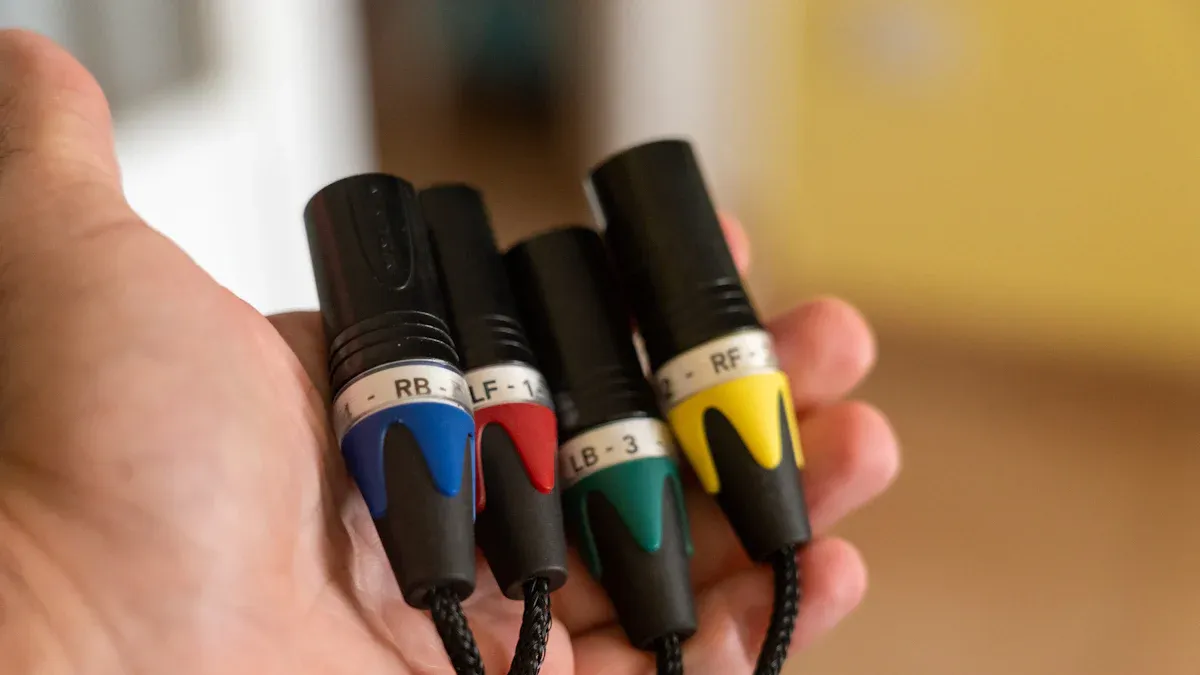
Durable microphone cables play a vital role in professional audio engineering. High-qualitY Cables ensure consistent sound performance by reducing signal interference and maintaining audio clarity.Balanced microphone cables, such as XLR microphone cables, eliminate noise effectively, making them indispensable in studios and live performances. Preterminated microphone cables with robust shielding offer added convenience and reliability for frequent use. Stage-ready microphone cables, designed for durability, withstand the wear and tear of demanding environments. Selecting the right cable not only enhances sound quality but also ensures long-term reliability, making it a critical decision for any audio professional.
Key Takeaways
- Strong microphone cables help keep sound clear and reliable. Pick cables that reduce signal problems.
- Look for good materials like pure copper and strong shielding. These make cables last longer and sound better.
- Choose cables with tough connectors for secure links. Gold or nickel-plated connectors avoid rust and work well.
- Focus on flexible and tough cable designs. This helps cables handle frequent use and fit different setups.
- Check and care for cables often to make them last. Store them properly, coil them neatly, and fix issues quickly to keep them working.
What Makes a Microphone Cable Durable?
Build Quality and Material Strength
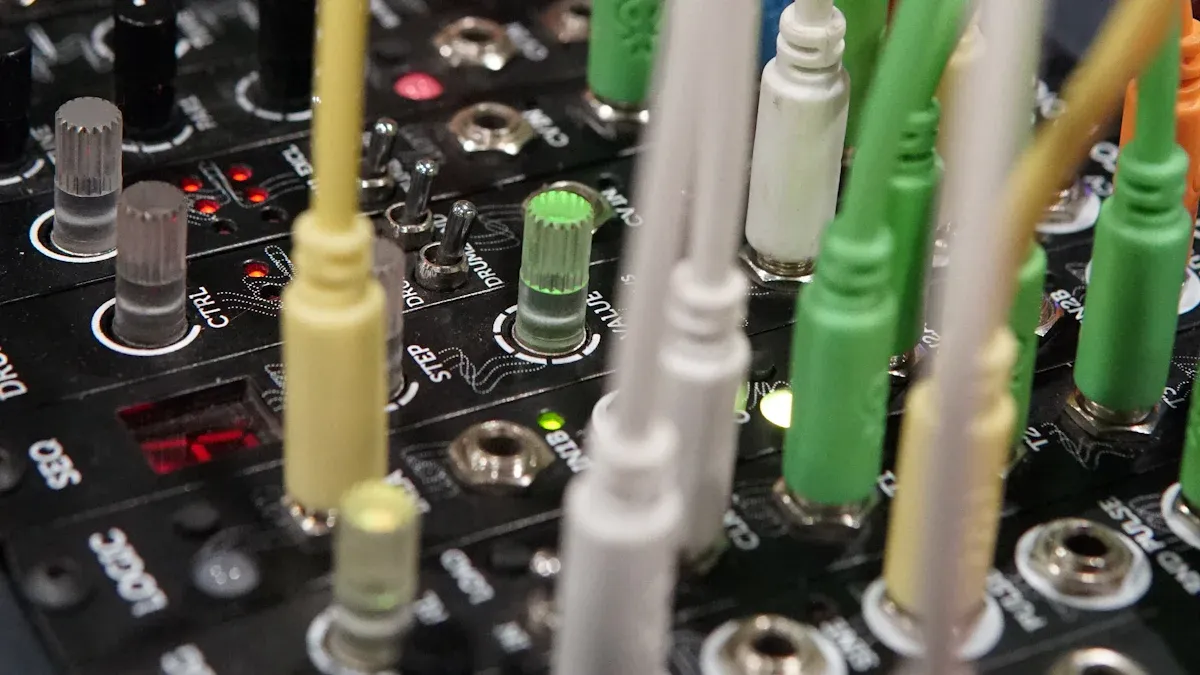
The durability of a microphone cable begins with its build quality and the materials used in its construction. High-quality cables are essential because the internal wires and solder points are often fragile. Poorly constructed cables are prone to disconnections, especially in demanding environments. Investing in cables with superior materials ensures they can endure the rigors of live performances or studio sessions.
For example, the GearIT XLR to XLR microphone cable demonstrates how material strength contributes to durability. It features oxygen-free copper conductors, which not only enhance sound quality but also resist wear over time. The spiral braided copper shielding reduces interference while adding structural integrity. Additionally, heavy-duty metal connectors and molded Strain Relief protect the cable from physical stress. Encased in aflexible PVC jacket, this cable offers resilience without compromising flexibility.
Shielding for Noise Reduction and Durability
Effective shielding plays a dual role in microphone cables. It minimizes external noise interference and enhances the cable's overall durability. Shielding materials, such as braided copper or aluminum foil, create a protective barrier that blocks electromagnetic interference (EMI) and radio frequency interference (RFI). This ensures clean audio signals, even in environments with high electrical activity.
Durable microphone cables often incorporate multiple layers of shielding for added protection. For instance, cables designed for professional use may combine braided shielding with a conductive PVC layer. This combination not only improves noise rejection but also reinforces the cable against physical damage. Shielding is particularly crucial for cables used in live settings, where exposure to stage equipment and foot traffic can compromise performance.
Connector Quality and Longevity
The connectors of a microphone cable are critical to its durability and performance. High-quality connectors ensure a secure and stable connection, reducing the risk of signal loss or distortion. Durable connectors are typically made from robust materials like nickel or gold-plated metals, which resist corrosion and wear.
In addition to material quality, the design of the connectors plays a significant role. Features such as molded strain relief and locking mechanisms enhance the longevity of the cable by preventing stress on the connection points. For professionals, cables with heavy-duty connectors are a reliable choice for both studio and live applications. These connectors maintain their integrity even after repeated plugging and unplugging, ensuring consistent performance over time.
Flexibility and Resistance to Wear and Tear
Flexibility and wear resistance are essential attributes of durable microphone cables. These qualities ensure that cables can withstand frequent handling, bending, and environmental stress without compromising performance. Professionals rely on cables that maintain their structural integrity while adapting to various setups, whether in a studio or on stage.
Why Flexibility Matters
Flexible cables simplify the process of routing and positioning equipment. They allow audio engineers to create clean and organized setups, reducing the risk of tangling or accidental damage. Cables with high flexibility also minimize strain on internal conductors, which prevents signal degradation over time.
Tip: Look for cables with soft yet durable outer jackets, such as those made from PVC or thermoplastic elastomers. These materials provide flexibility without sacrificing strength.
Resistance to Wear and Tear
Wear resistance determines how well a cable can endure physical stress, such as repeated coiling, uncoiling, and exposure to rough surfaces. Durable cables feature reinforced jackets and strain relief mechanisms that protect against abrasion and stretching.
Key factors contributing to wear resistance include:
- Outer Jacket Material: Heavy-duty materials like polyurethane or braided nylon offer superior protection against cuts and scrapes.
- Strain Relief Design: Molded strain relief at connector points prevents damage caused by bending or pulling.
- Environmental Protection: Some cables include weather-resistant coatings to guard against moisture and temperature fluctuations.
Examples of Flexible and Wear-Resistant Cables
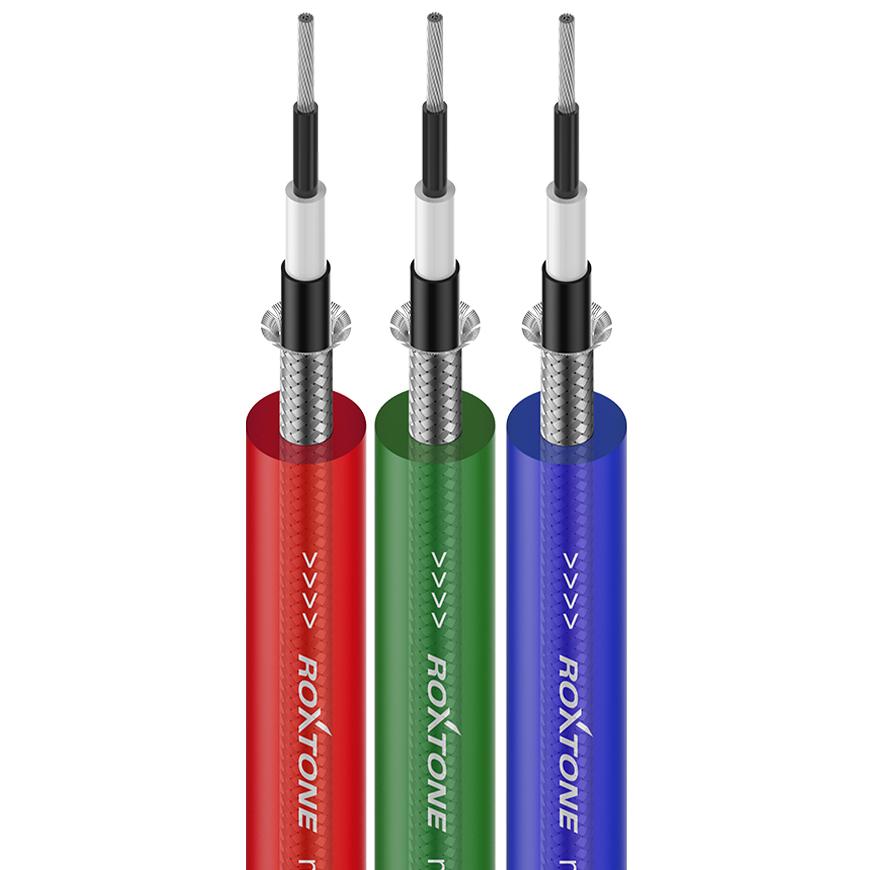
Several microphone cables excel in flexibility and wear resistance. For instance, the ROXTONE Professional Microphone Cable combines a flexible PVC jacket with braided shielding for enhanced durability. Its design ensures smooth handling during live performances while resisting damage from frequent use.
Another example is the Mogami Gold Studio XLR Cable, which features a rugged outer jacket and precision-engineered strain relief. This cable adapts to tight spaces without compromising its structural integrity, making it ideal for studio environments.
Note: Investing in cables with both flexibility and wear resistance reduces the need for frequent replacements, saving time and money in the long run.
Conclusion
Flexibility and wear resistance are critical for ensuring the longevity and reliability of microphone cables. By choosing cables with durable materials and thoughtful designs, audio professionals can optimize their setups and maintain consistent performance across various applications.
Key Features to Look for in Durable Microphone Cables
High-Quality Materials (e.g., oxygen-free copper, braided shielding)
The foundation of a durable microphone cable lies in its materials. High-quality materials, such as oxygen-free copper, ensure superior signal transmission by minimizing resistance and signal loss. This material also resists corrosion, extending the cable's lifespan. Braided shielding, another critical component, protects the cable from external interference while adding structural strength.
Thicker cables, often measured by their gauge, can handle more signals without compromising quality. This makes them ideal for professional audio setups. Additionally, cables designed for frequent use often feature flexible yet robust outer jackets made from materials like PVC or polyurethane. These jackets protect the internal components from wear and tear, ensuring consistent performance over time.
Effective Shielding for Professional Audio
Shielding plays a vital role in maintaining audio clarity. It prevents electromagnetic interference (EMI) and radio frequency interference (RFI) from distorting the sound. Professional-grade cables often use multiple layers of shielding, such as braided copper or aluminum foil, to block unwanted noise effectively.
For instance, cables with dual-layer shielding provide enhanced protection in environments with high electrical activity. This feature is especially important in live performances or studio recordings, where clean audio signals are essential. By investing in cables with superior shielding, audio engineers can ensure reliable performance across various applications.
Robust Connectors for Long-Term Use
Connectors are the most vulnerable part of any microphone cable. High-quality connectors, made from durable materials like nickel or gold plating, resist corrosion and maintain a secure connection. These connectors are designed to withstand frequent plugging and unplugging without loosening or degrading.
Precision-engineered connectors also prevent signal loss by ensuring a tight fit. Features like molded strain relief and locking mechanisms further enhance durability by reducing stress on the connection points. For professionals, cables with robust connectors offer long-term reliability, even in demanding environments.
Tip: Look for cables with connectors that are easy to handle yet sturdy enough to endure repeated use. This ensures both convenience and durability.
Cable Thickness and Flexibility
Cable thickness plays a significant role in determining the durability and performance of a microphone cable. Thicker cables often house more robust internal components, which protect against physical damage and signal degradation. They are less likely to kink or break under stress, making them ideal for demanding environments like live performances or outdoor events.
Tip: When selecting a cable, consider its gauge. Lower gauge numbers indicate thicker cables, which typically offer better durability and signal quality.
Flexibility is equally important, especially for professionals who frequently handle and reposition cables. A flexible cable allows for easier routing and setup, reducing the risk of tangling or damage. Materials like thermoplastic elastomers or soft PVC jackets enhance flexibility without compromising strength. These materials also ensure that the cable can withstand repeated coiling and uncoiling.
For example, the ROXTONE Professional Microphone Cable combines optimal thickness with exceptional flexibility. Its design ensures smooth handling while maintaining structural integrity, even in high-stress scenarios. This balance makes it a reliable choice for both studio and stage applications.
Compatibility with Professional Audio Equipment
Compatibility is a critical factor when choosing a microphone cable. A cable must seamlessly integrate with professional audio equipment to deliver optimal performance. Incompatible cables can lead to signal loss, noise interference, or even equipment damage.
Professionals should verify the connector type and pin configuration of their equipment before purchasing a cable. Common connector types include XLR, TRS, and TS. Each serves specific purposes, such as balanced or unbalanced audio transmission. For instance, XLR cables are widely used for balanced audio connections in studios and live settings.
Note: Always check the impedance and signal requirements of your equipment. Using a cable that matches these specifications ensures consistent sound quality.
High-quality cables, like those from ROXTONE, are designed to work seamlessly with a wide range of professional audio devices. Their precision-engineered connectors and robust construction ensure reliable performance across various applications. By choosing compatible cables, audio engineers can avoid technical issues and focus on delivering exceptional sound.
Types of Microphone Cables and Their Applications
XLR Cables for Balanced Audio
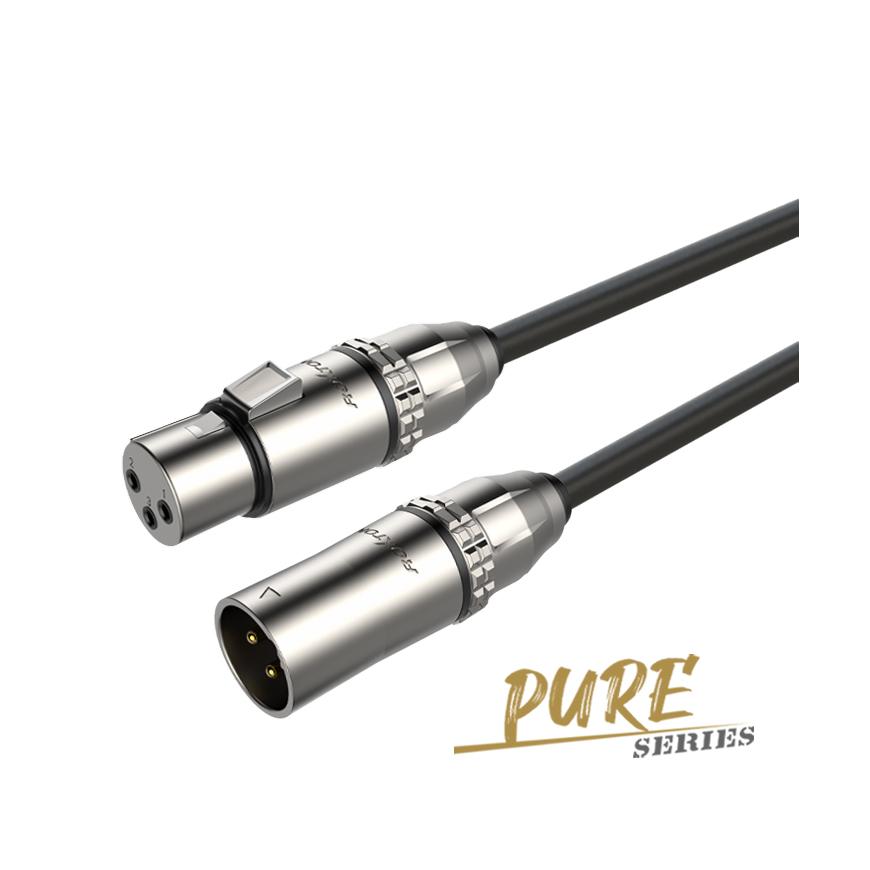
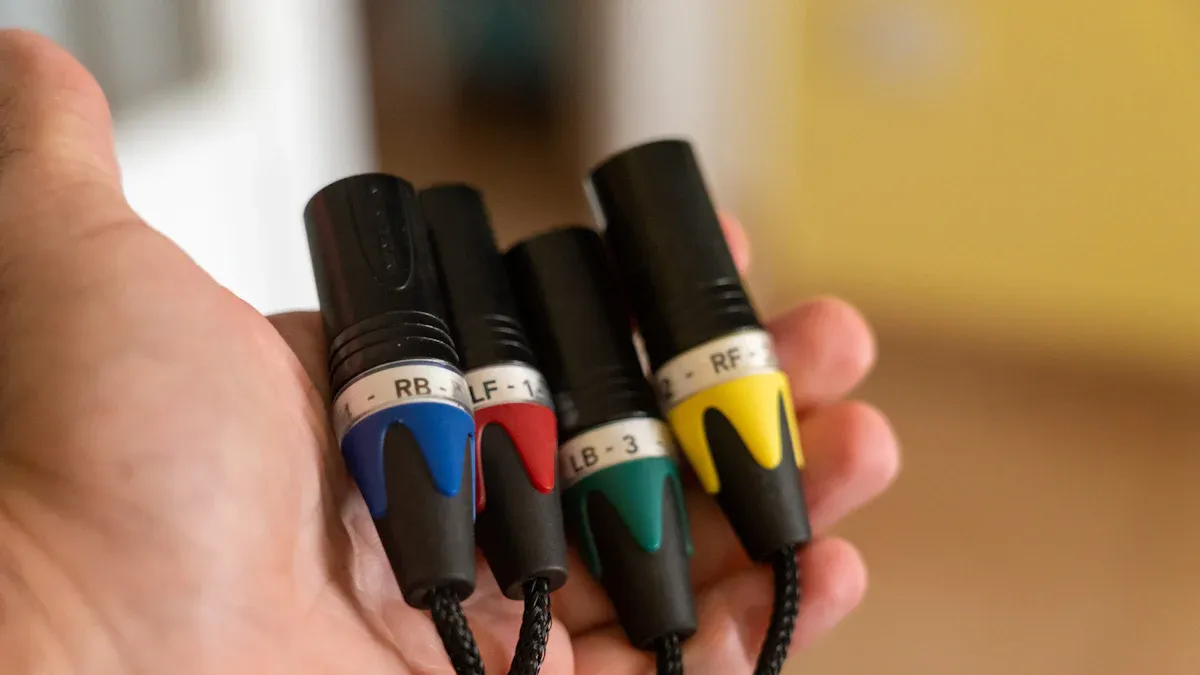
XLR cables are the industry standard for balanced audio connections. These cables feature three pins that carry two signal paths and a ground wire. This design cancels out noise and interference, ensuring clean and reliable sound transmission. Professionals use XLR cables in live performances, studio recordings, and broadcasting due to their superior audio quality and durability.
Tip: XLR cables are ideal for long cable runs. Their balanced design minimizes signal loss, even over extended distances.
For example, the ROXTONE Professional Microphone Cable offers exceptional performance with its robust XLR connectors and durable shielding. It ensures consistent sound quality, making it a dependable choice for demanding audio applications.
TRS Cables for Studio Use
TRS (Tip-Ring-Sleeve) cables are versatile options for studio environments. These cables support balanced audio connections and are commonly used for connecting audio interfaces, mixers, and studio monitors. Their three-contact design allows them to transmit stereo signals or balanced mono signals, making them suitable for various professional setups.
Studio engineers often prefer TRS cables for their ability to reduce noise and maintain signal integrity. The flexibility of these cables also simplifies equipment routing in complex studio configurations.
Note: TRS cables are not limited to studio use. They are also compatible with some musical instruments and headphone connections, adding to their versatility.
TS Cables for Unbalanced Connections
TS (Tip-Sleeve) cables are designed for unbalanced audio connections. These cables are commonly used for instruments like electric guitars and keyboards. Unlike XLR or TRS cables, TS cables have two contact points: one for the signal and one for the ground. This simple design makes them cost-effective but more susceptible to noise interference.
Tip: Use TS cables for short-distance connections to minimize noise and signal degradation.
Despite their limitations, TS cables remain a staple in live performances and home studios. Their straightforward design and compatibility with various instruments make them a practical choice for many musicians.
Digital Microphone Cables (e.g., AES/EBU)
Digital microphone cables, such as AES/EBU cables, are essential for transmitting high-quality digital audio signals in professional environments. These cables use a balanced design to carry digital data, ensuring minimal interference and maximum signal integrity. Unlike analog cables, which transmit continuous waveforms, digital cables transfer binary data, making them less susceptible to noise and distortion.
AES/EBU cables, named after the Audio Engineering Society (AES) and the European Broadcasting Union (EBU), are widely used in studios and live sound setups. They feature a 110-ohm impedance and XLR connectors, making them compatible with most professional audio equipment. This design ensures reliable performance, even in complex audio systems.
Tip: Use AES/EBU cables for long-distance digital audio transmission. Their balanced design minimizes signal degradation over extended runs.
Professionals often choose AES/EBU cables for their ability to handle high-resolution audio formats. These cables support sample rates up to 192 kHz, making them ideal for recording and mixing applications. Additionally, their robust construction ensures durability in demanding environments. For example, the ROXTONE Professional AES/EBU Cable combines precision engineering with high-quality materials, delivering consistent performance in both studio and live settings.
Specialty Cables for Unique Audio Engineering Needs
Specialty cables address specific requirements in audio engineering. These cables are designed for unique applications, such as connecting vintage equipment, integrating wireless systems, or handling multi-channel audio. Their specialized features make them indispensable for professionals working on complex projects.
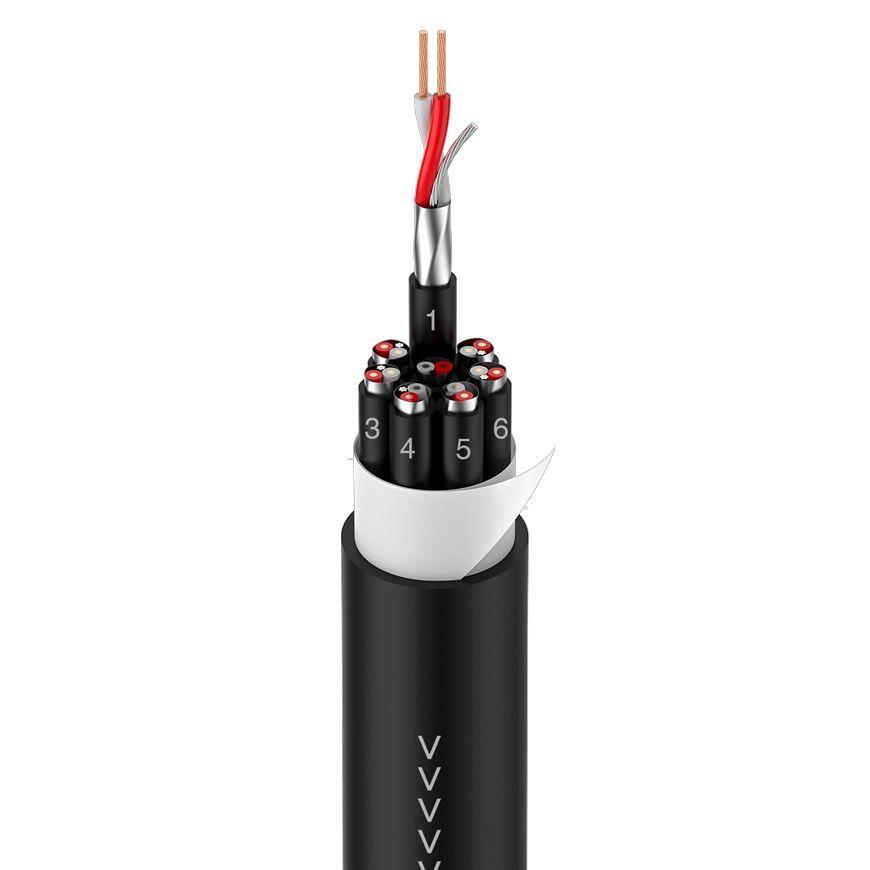
One example is the breakout cable, which splits a single connection into multiple outputs. This cable is commonly used in recording studios to route audio signals to different devices. Another example is the snake cable, which consolidates multiple audio channels into a single, organized bundle. Snake cables are ideal for live performances, where quick and efficient setup is crucial.
Note: Specialty cables often require careful handling due to their complex designs. Proper storage and maintenance can extend their lifespan.
ROXTONE offers a range of specialty cables tailored to meet diverse audio engineering needs. Their innovative designs and durable materials ensure reliable performance, even in challenging scenarios. By investing in high-quality specialty cables, professionals can tackle unique audio challenges with confidence.
Best Durable Microphone Cables for Professional Audio Engineering
Mogami Gold Studio XLR Cable
The Mogami Gold Studio XLR Cable stands out as a top choice for professional audio engineers. Known for its exceptional sound clarity, this cable features high-quality oxygen-free copper conductors. These conductors minimize signal loss and ensure precise audio transmission. The cable's braided shielding offers superior noise rejection, making it ideal for studio recordings and live performances.
Durability is another hallmark of the Mogami Gold Studio XLR Cable. Its robust outer jacket resists wear and tear, while the gold-plated XLR connectors provide a secure and corrosion-resistant connection. These connectors maintain their integrity even after repeated use, ensuring long-term reliability.
Note: The Mogami Gold Studio XLR Cable combines flexibility with strength, allowing for easy handling without compromising durability. This makes it a versatile option for various professional audio setups.
Canare Star Quad Microphone Cable
The Canare Star Quad Microphone Cable is a favorite among audio professionals for its advanced noise-canceling capabilities. Its unique quad-conductor design reduces electromagnetic interference (EMI) and radio frequency interference (RFI) more effectively than standard cables. This feature ensures clean and consistent audio signals, even in electrically noisy environments.
The cable's construction emphasizes durability and flexibility. It features braided shielding for enhanced strength and a supple PVC jacket that resists kinks and tangles. These attributes make the Canare Star Quad suitable for both studio and stage applications.
Additionally, the cable's connectors are precision-engineered for long-term use. Gold-plated contacts resist corrosion, while the molded strain relief prevents damage from bending or pulling. These features contribute to the cable's reputation for reliability and performance.
Tip: The Canare Star Quad Microphone Cable is an excellent choice for professionals seeking a balance between durability and superior audio quality.
Monster Prolink Performer 600
The Monster Prolink Performer 600 is designed for musicians and audio engineers who demand high performance and durability. This cable features two copper wire conductors wrapped in insulation, ensuring clear and accurate sound reproduction. Tighter twists in the cable's design enhance noise cancellation and flexibility, making it suitable for dynamic environments.
The Performer 600's shielding combines foil and braided layers, providing excellent protection against interference. Its heavy-duty outer jacket resists abrasion and impact, ensuring the cable can withstand the rigors of live performances.
The connectors on the Monster Prolink Performer 600 are built for durability and ease of use. Gold-plated contacts offer superior conductivity and resist tarnishing, while the ergonomic design simplifies handling during setup and teardown.
Callout: The Monster Prolink Performer 600 delivers a blend of durability, flexibility, and sound quality, making it a reliable choice for demanding audio applications.
GLS Audio XLR Cable
The GLS Audio XLR Cable offers a reliable and cost-effective solution for audio professionals seeking durability and performance. Its construction prioritizes quality without compromising affordability, making it a popular choice for both beginners and seasoned engineers.
Key Features
- Durable Build: The cable features a rugged PVC jacket that resists wear and tear, ensuring longevity in demanding environments.
- High-Quality Connectors: Nickel-plated XLR connectors provide a secure fit and resist corrosion, maintaining consistent signal transmission.
- Noise Reduction: Braided shielding minimizes electromagnetic interference (EMI), delivering clean audio signals.
Applications
This cable excels in studio setups and live performances. Its robust design withstands frequent handling, making it ideal for musicians and sound engineers who require dependable equipment.
Tip: The GLS Audio XLR Cable is an excellent choice for those seeking a balance between affordability and reliability.
Pros
| Feature | Benefit |
|---|---|
| Rugged PVC Jacket | Protects against physical damage |
| Braided Shielding | Reduces noise interference |
| Nickel-Plated Connectors | Ensures long-term performance |
Why Choose GLS Audio?
Professionals value this cable for its durability and consistent performance. It provides a cost-effective option without sacrificing essential features, making it a practical addition to any audio setup.
Evidence Audio Lyric HG Microphone Cable
The Evidence Audio Lyric HG Microphone Cable stands out for its precision engineering and exceptional sound quality. Designed for audiophiles and professionals, this cable delivers unparalleled performance in critical audio applications.
Key Features
- Solid Core Conductors: The cable uses solid core copper conductors to enhance signal clarity and reduce distortion.
- High-Density Shielding: Its shielding design blocks external interference, ensuring pristine audio transmission.
- Durable Construction: A rugged outer jacket protects the cable from physical stress, extending its lifespan.
Applications
This cable is ideal for studio recordings and high-fidelity audio setups. Its design caters to professionals who demand the highest level of sound accuracy.
Callout: The Evidence Audio Lyric HG Cable is a premium choice for those who prioritize sound quality above all else.
Pros
| Feature | Benefit |
|---|---|
| Solid Core Conductors | Enhances signal clarity |
| High-Density Shielding | Blocks external interference |
| Rugged Outer Jacket | Resists wear and tear |
Why Choose Evidence Audio?
Audio engineers and musicians trust this cable for its superior sound reproduction. Its premium construction ensures reliability in professional environments, making it a worthwhile investment for critical audio tasks.
ROXTONE Professional Microphone Cables
ROXTONE Professional Microphone Cables combine durability, flexibility, and performance to meet the needs of audio professionals. These cables are engineered to deliver consistent results in both studio and live settings.
Key Features
- Flexible PVC Jacket: The cable's outer layer provides flexibility without compromising strength, simplifying equipment setup.
- Braided Shielding: Multiple layers of shielding protect against EMI and RFI, ensuring clean audio signals.
- Precision-Engineered Connectors: Gold-plated XLR connectors resist corrosion and maintain a secure connection.
Applications
ROXTONE cables excel in diverse audio environments, from studio recordings to live performances. Their robust design adapts to frequent handling and challenging conditions.
Note: ROXTONE cables are designed to meet the demands of professionals who require reliability and versatility.
Pros
| Feature | Benefit |
|---|---|
| Flexible PVC Jacket | Simplifies routing and setup |
| Braided Shielding | Ensures noise-free audio transmission |
| Gold-Plated Connectors | Provides long-term reliability |
Why Choose ROXTONE?
ROXTONE Professional Microphone Cables offer a perfect blend of durability and performance. Their innovative design and high-quality materials make them a trusted choice for audio engineers and musicians. Investing in ROXTONE cables ensures consistent sound quality and long-term reliability.
Pros and Cons of Each Option
Mogami Gold Studio XLR Cable
The Mogami Gold Studio XLR Cable is a premium choice for professional audio engineers. Its design prioritizes sound clarity and durability, making it a reliable option for studio and live applications.
Pros:
- Exceptional sound clarity due to oxygen-free copper conductors.
- Braided shielding effectively reduces noise interference.
- Gold-plated connectors resist corrosion and ensure a secure connection.
- Durable outer jacket withstands wear and tear.
Cons:
- Higher price point compared to other options.
- Limited flexibility for tight or complex setups.
Tip: This cable is ideal for professionals who prioritize audio quality over cost.
Canare Star Quad Microphone Cable
The Canare Star Quad Microphone Cable excels in noise cancellation and durability. Its unique quad-conductor design makes it a favorite for environments with high electrical interference.
Pros:
- Superior noise rejection due to quad-conductor design.
- Flexible PVC jacket simplifies handling and routing.
- Braided shielding enhances durability and reduces interference.
- Gold-plated connectors ensure long-term reliability.
Cons:
- Slightly bulkier than standard microphone cables.
- May require additional care during coiling to avoid tangling.
Note: This cable is a great choice for professionals working in electrically noisy environments.
Monster Prolink Performer 600
The Monster Prolink Performer 600 combines durability with high performance. Its design caters to musicians and engineers who need reliable cables for dynamic environments.
Pros:
- Tighter twists in the cable enhance noise cancellation.
- Heavy-duty outer jacket resists abrasion and impact.
- Gold-plated connectors provide excellent conductivity and corrosion resistance.
- Flexible design adapts to various setups.
Cons:
- Slightly heavier than other cables, which may affect portability.
- Premium pricing may not suit all budgets.
Callout: This cable is perfect for live performances where durability and sound quality are critical.
GLS Audio XLR Cable
The GLS Audio XLR Cable offers a cost-effective solution without compromising essential features. It is a practical choice for both beginners and experienced professionals.
Pros:
- Affordable pricing makes it accessible to a wide range of users.
- Rugged PVC jacket protects against physical damage.
- Braided shielding minimizes electromagnetic interference.
- Nickel-plated connectors ensure consistent performance.
Cons:
- Lacks the advanced noise-canceling features of higher-end cables.
- May not withstand heavy use in demanding environments.
Tip: This cable is an excellent option for those seeking reliability on a budget.
Evidence Audio Lyric HG Microphone Cable
The Evidence Audio Lyric HG Microphone Cable is a premium option designed for audiophiles and professionals who demand the highest sound quality.
Pros:
- Solid core conductors enhance signal clarity and reduce distortion.
- High-density shielding blocks external interference.
- Rugged outer jacket ensures long-term durability.
- Ideal for high-fidelity audio applications.
Cons:
- Premium pricing limits accessibility for budget-conscious users.
- Stiffer design may reduce flexibility in certain setups.
Callout: This cable is a top choice for critical audio tasks requiring pristine sound quality.
ROXTONE Professional Microphone Cables
ROXTONE Professional Microphone Cables deliver a perfect balance of durability, flexibility, and performance. These cables are designed to meet the needs of professionals in both studio and live settings.
Pros:
- Flexible PVC jacket simplifies routing and setup.
- Braided shielding ensures noise-free audio transmission.
- Gold-plated connectors resist corrosion and maintain a secure connection.
- Affordable pricing with professional-grade features.
Cons:
- Not applicable.
Note: ROXTONE cables are a reliable choice for professionals seeking high-quality performance at a reasonable price.
Tips for Maintaining and Maximizing the Lifespan of Microphone Cables
Proper Coiling and Storage Techniques
Proper coiling prevents damage to the internal components of a microphone cable. Audio professionals should use the "over-under" coiling method, which reduces stress on the cable and prevents tangling. This technique involves alternating the direction of each loop, ensuring the cable maintains its natural shape.
Storage also plays a critical role in cable longevity. Cables should be stored in a cool, dry environment to avoid exposure to moisture or extreme temperatures. Hanging cables on hooks or storing them in dedicated cable bags keeps them organized and protected from physical damage.
Tip: Avoid using tight zip ties or knots when securing cables. These can cause permanent kinks or weaken the internal wiring.
Regular Cleaning and Inspection
Routine cleaning ensures optimal performance and extends the lifespan of a microphone cable. Dust and debris can accumulate on the connectors, leading to poor signal transmission. A soft, lint-free cloth and isopropyl alcohol can be used to clean the connectors gently.
Inspection is equally important. Professionals should regularly check for visible signs of wear, such as frayed jackets or loose connectors. Identifying and addressing minor issues early prevents more significant problems later.
Callout: Replace damaged cables immediately to avoid compromising audio quality during critical performances.
Avoiding Excessive Strain and Bending
Excessive strain weakens the internal wiring of a cable, leading to signal loss or complete failure. Audio engineers should avoid pulling cables by their connectors or stepping on them during use. Proper routing minimizes unnecessary tension and ensures smooth operation.
Bending cables at sharp angles can also cause damage. Professionals should maintain gentle curves when positioning cables around equipment. Using cable protectors in high-traffic areas adds an extra layer of protection against accidental damage.
Note: Treating cables with care during setup and teardown significantly reduces wear and tear over time.
Using Cable Protectors in High-Traffic Areas
High-traffic areas pose significant risks to microphone cables. Foot traffic, heavy equipment, and frequent movement can lead to wear, damage, or even complete failure. Using cable protectors is an effective way to safeguard cables in such environments.
Cable protectors shield cables from physical stress by creating a barrier between the cable and external forces. These protective devices are typically made from durable materials like rubber or polyurethane, which can withstand heavy loads and resist abrasion. They also help prevent tripping hazards, ensuring safety for performers, crew members, and audience members.
Tip: Choose cable protectors with a non-slip base to keep them securely in place during live events or studio sessions.
When selecting a cable protector, professionals should consider the width and number of channels required. Multi-channel protectors are ideal for managing multiple cables, keeping them organized and reducing clutter. For outdoor events, weather-resistant protectors offer additional protection against moisture and temperature changes.
Proper placement of cable protectors is equally important. Position them in high-traffic zones, such as stage entrances, walkways, or near equipment racks. This strategic placement minimizes the risk of accidental damage and ensures smooth operations during performances or recordings.
Callout: Investing in high-quality cable protectors not only extends the lifespan of microphone cables but also enhances safety and professionalism in any audio setup.
Replacing Damaged Connectors or Components
Damaged connectors are a common cause of microphone cable failure. Loose connections, corrosion, or physical damage can disrupt signal transmission and compromise audio quality. Replacing faulty connectors is a cost-effective solution that restores cable functionality without requiring a full replacement.
Audio professionals should inspect connectors regularly for signs of wear. Indicators include bent pins, discoloration, or difficulty maintaining a secure connection. When damage is detected, replacing the connector promptly prevents further issues.
Note: Use high-quality replacement connectors, such as gold-plated or nickel-plated options, to ensure durability and reliable performance.
The replacement process involves cutting off the damaged connector, stripping the cable's outer jacket, and soldering the new connector to the internal wires. Professionals should use a soldering iron and heat shrink tubing to secure the connection and protect it from future stress.
For those unfamiliar with soldering, pre-assembled connectors offer a convenient alternative. These connectors simplify the repair process and reduce the risk of errors.
Tip: Keep spare connectors and basic repair tools on hand to address issues quickly during live events or studio sessions.
By replacing damaged components promptly, audio engineers can maintain consistent performance and extend the lifespan of their microphone cables.
Durable microphone cables are essential for achieving consistent sound quality and reliability in professional audio engineering. Key features such as high-quality materials, effective shielding, and robust connectors ensure long-term performance. Professionals can choose from various cable types, including XLR, TRS, and specialty options, to suit specific applications.
Callout: Investing in premium cables like ROXTONE ensures durability and exceptional audio clarity. Following maintenance tips, such as proper coiling and regular inspection, further extends their lifespan.
By prioritizing quality and care, audio engineers can optimize their setups and deliver outstanding results.
FAQ
What is the best way to store microphone cables?
Proper storage prevents damage. Professionals should use the "over-under" coiling method to maintain the cable's natural shape. Hanging cables on hooks or storing them in dedicated bags keeps them organized and protected from moisture or extreme temperatures.
How often should microphone cables be inspected?
Regular inspections ensure optimal performance. Professionals should check cables before and after each use. Look for frayed jackets, loose connectors, or visible damage. Addressing minor issues early prevents larger problems during critical audio sessions.
Can damaged connectors be repaired?
Yes, damaged connectors can be replaced. Use high-quality replacements like gold-plated connectors for durability. Soldering the new connector to the internal wires restores functionality. Pre-assembled connectors simplify repairs for those unfamiliar with soldering.
Are thicker cables always better for durability?
Thicker cables often provide better durability due to robust internal components. However, flexibility and material quality also matter. Professionals should balance thickness with flexibility to ensure cables suit their specific applications.
Why is shielding important in microphone cables?
Shielding blocks electromagnetic and radio frequency interference, ensuring clean audio signals. High-quality shielding, such as braided copper or aluminum foil, enhances durability and protects cables from external noise in professional environments.