






Case Study: Multicore Systems in Large-Scale Conference Hall Installations
Large-scale conference halls demand robust technology to handle complex operations. Multicore systems excel in managing these requirements by providing superior processing power and efficiency. They enable real-time data analytics, ensuring seamless event execution. Recent studies highlight their ability to process continuous event streams with enhanced latency and throughput, making them indispensable for modern venues.
Key Takeaways
- Multicore Systemsboost performance by running many tasks at once. This makes them great for handling tricky audio and video setups at big events.
- These systems can grow to fit small meetings or big conferences. They keep quality high and work smoothly every time.
- Using multicore technology prepares venues for the future. It helps them handle new things like 8K video and smart AI tools.
Overview of Multicore Systems
Definition and Architecture of Multicore Systems
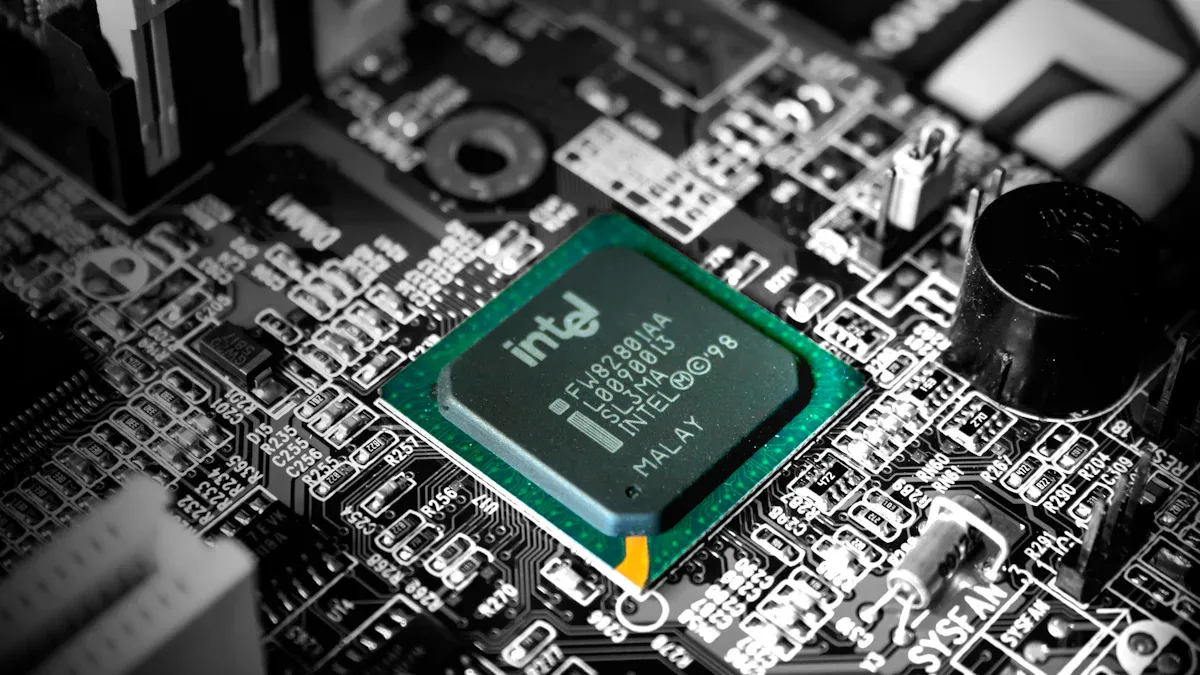
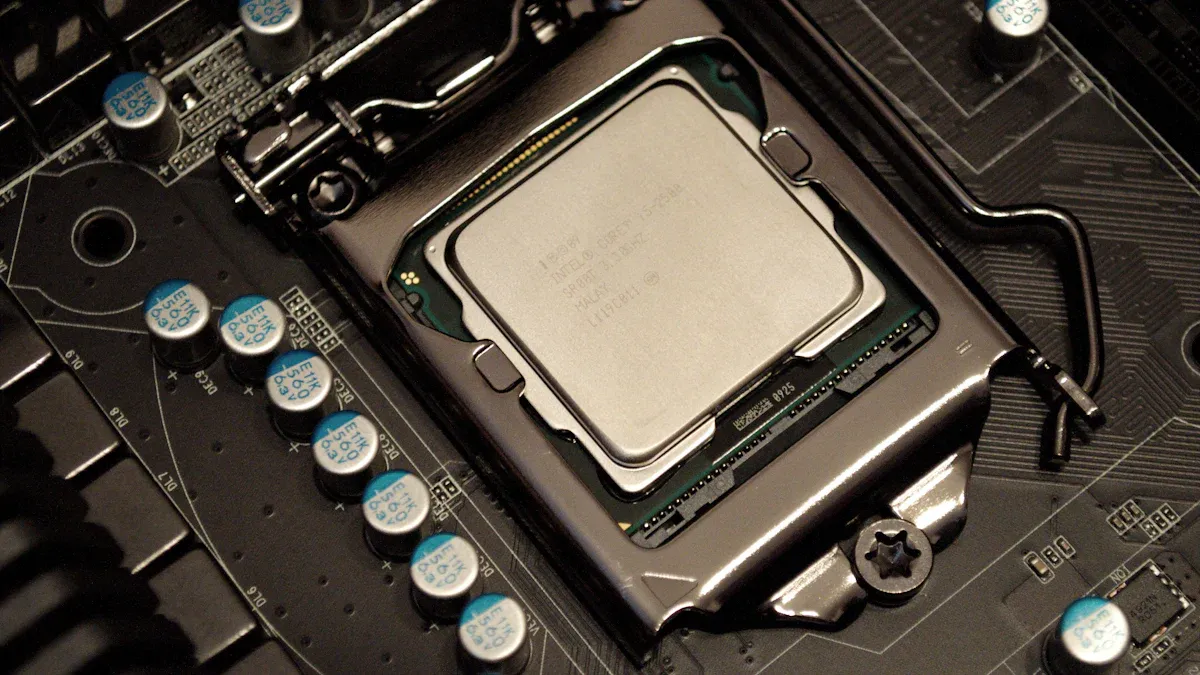
Multicore systems refer to computing architectures that integrate multiple processing units, or cores, within a single processor. Each core operates independently, enabling the system to handle multiple tasks simultaneously. This design contrasts with traditional single-core processors, which execute instructions sequentially. The architecture of multicore systems typically includes shared memory, interconnects for communication between cores, and advanced scheduling algorithms to optimize task distribution. These systems are particularly suited for environments requiring high computational power, such as large-scale conference halls.
Key Features and Capabilities
Multicore systems offer a range of features that make them indispensable for modern event technology. Their ability to process multiple threads concurrently enhances performance in high-demand scenarios. For instance, the MFD-3068 leverages multicore processing to manage multiple displays and applications simultaneously, ensuring seamless operation in conference halls. Additionally, these systems provide robust partitioning, allowing applications with varying criticality levels to run without interference. The variety of interfaces, including digital conversion and support for commercial serial standards, further enhances their adaptability.
| Feature/Capability | Description |
|---|---|
| Multicore Processing | Drives multiple displays and applications simultaneously for high efficiency. |
| High Assurance Levels | Ensures reliability and safety for critical operations. |
| Multiple Application Hosting | Supports diverse applications, offering flexibility for various needs. |
| Robust Partitioning | Guarantees deterministic operation for mixed-criticality applications. |
| Interface Variety | Enhances connectivity with a range of interface options. |
Advantages Over Single-Core Systems
Multicore systems outperform single-core processors in several key areas. While single-core CPUs execute instructions sequentially, multicore systems handle tasks concurrently, significantly improving efficiency. They excel in multitasking, enabling smooth operation even under heavy workloads. For example, a dual-core CPU can execute parallel tasks without noticeable slowdowns, making it ideal for complex, multi-threaded applications like real-time audio-visual management in conference halls.
| Metric | Single-Core CPU | Dual-Core CPU |
|---|---|---|
| Number of Cores | 1 | 2 |
| Task Processing | Executes instructions sequentially | Handles tasks concurrently |
| Performance | Sufficient for basic tasks | Better for complex, multi-threaded tasks |
| Multitasking | Struggles with simultaneous operations | Excels without significant slowdowns |
| Parallelism | Limited to clock speed | Enables parallel task execution |
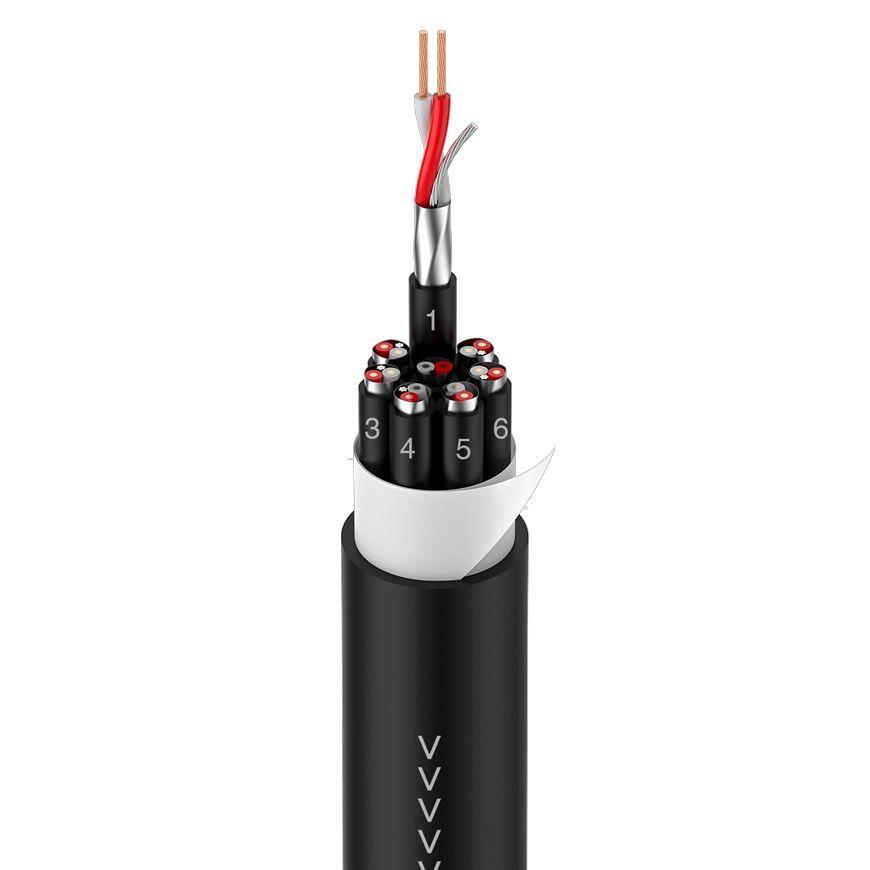
The growing adoption of multicore systems reflects their ability to meet the demands of modern event technology. Market trends indicate a projected growth from USD 2.5 billion in 2024 to USD 4.8 billion by 2033, driven by advancements in cable technology and the increasing need for high-quality audio equipment.
Multicore Systems in Conference Hall Installations
Managing Audio-Visual Systems
Large-scale conference halls rely on advanced audio-visual systems to deliver high-quality presentations and immersive experiences. Multicore systems play a pivotal role in managing these systems by enabling simultaneous processing of multiple tasks. For instance, they can handle video rendering, audio synchronization, and display management concurrently without performance degradation. This capability ensures smooth transitions between presentations, videos, and live feeds during events.
Multicore systems also support advanced features like real-time audio mixing and video scaling. These features are essential for maintaining consistent quality across multiple screens and speaker systems. By leveraging multicore architectures, conference halls can integrate complex setups, such as multi-camera feeds and surround sound systems, with minimal latency. This ensures that attendees experience clear visuals and crisp audio, regardless of the event's scale.
Tip: Using multicore systems, venues can future-proof their audio-visual infrastructure, accommodating emerging technologies like 4K video and spatial audio.
Real-Time Communication and Networking
Effective communication is critical for the success of any event. Multicore systems enhance real-time communication by managing high-speed data transmission and network traffic efficiently. They enable seamless integration of communication tools, such as video conferencing platforms, instant messaging systems, and live polling applications. This ensures that both in-person and remote participants remain connected throughout the event.
The ability of multicore systems to process multiple network requests simultaneously reduces latency and prevents bottlenecks. For example, during a hybrid conference, these systems can handle live video streams, audience interactions, and simultaneous translation services without interruptions. Their robust networking capabilities also support secure data transmission, safeguarding sensitive information shared during events.
Note: Multicore systems ensure reliable communication even in high-demand scenarios, such as global conferences with thousands of participants.
Data Processing and Analytics
Modern conference halls generate vast amounts of data, from attendee registrations to feedback surveys. Multicore systems excel in processing and analyzing this data in real time, providing valuable insights to event organizers. Their parallel processing capabilities allow them to handle complex data sets efficiently, enabling quick decision-making during events.
For instance, tools like R and Python, equipped with multicore processing libraries, simplify data analysis tasks. These tools utilize multiple cores to accelerate processes such as attendee behavior analysis and sentiment tracking. High-level APIs further enhance productivity by streamlining the use of multicore architectures. This allows event organizers to focus on actionable insights rather than technical complexities.
| Benefit/Tool | Description |
|---|---|
| Parallel Processing | Enhances data handling and model training efficiency by utilizing multiple cores simultaneously. |
| R and Python Tools | Tools like the parallel package, data.table, and scikit-learn facilitate multicore processing. |
| High-Level APIs | Simplify the use of multicore architectures, boosting productivity. |
By leveraging these capabilities, conference halls can optimize operations, improve attendee experiences, and measure event success with greater accuracy.
Benefits of Multicore Systems
Enhanced Performance and Efficiency
Multicore systems deliver exceptional performance by enabling parallel task execution. This capability allows conference halls to manage multiple operations simultaneously, such as video rendering, audio synchronization, and real-time data processing. Unlike single-core processors, which rely on higher clock speeds to improve performance, multicore systems achieve better results through efficient workload distribution.
- A dual-core processor, for instance, operates at a 20% reduced clock frequency while delivering a 73% performance increase compared to a single-core processor.
- Despite this significant improvement, power consumption remains nearly identical to that of a single-core processor running at maximum frequency.
This combination of enhanced performance and energy efficiency makes multicore systems an ideal choice for venues aiming to optimize their technological infrastructure without increasing operational costs.
Note: By adopting multicore systems, conference halls can ensure smooth event execution, even during high-demand scenarios like hybrid conferences or multi-session events.
Scalability for Diverse Event Sizes
Multicore systems offer unmatched scalability, making them suitable for events of varying sizes and complexities. Whether hosting a small corporate meeting or a large international conference, these systems adapt seamlessly to the venue's requirements.
- For smaller events, multicore systems efficiently allocate resources to manage basic audio-visual setups and communication tools.
- For larger gatherings, they handle complex configurations, such as multi-camera feeds, simultaneous translation services, and real-time analytics, without compromising performance.
This scalability ensures that venues can cater to diverse client needs while maintaining consistent quality. Additionally, multicore systems support future growth by accommodating emerging technologies like 8K video streaming and AI-driven attendee engagement tools.
Tip: Investing in multicore systems allows venues to remain competitive in a rapidly evolving event technology landscape.
Reliability and Fault Tolerance
Reliability is a critical factor in large-scale conference hall operations, where even minor technical issues can disrupt events. Multicore systems excel in this area by offering robust fault tolerance mechanisms.
- These systems distribute tasks across multiple cores, ensuring that a failure in one core does not impact the overall system's functionality.
- Advanced error-detection algorithms further enhance reliability by identifying and addressing potential issues before they escalate.
For example, during a live-streamed keynote session, multicore systems can isolate and resolve network interruptions without affecting the video feed or audience experience. This level of dependability builds trust among event organizers and attendees, reinforcing the venue's reputation for delivering flawless events.
Callout: Multicore systems provide the reliability needed to handle mission-critical operations, making them indispensable for modern conference halls.
Challenges in Implementation
Integration with Legacy Infrastructure
Conference halls often operate with existing systems that lack compatibility with modern multicore architectures. Integrating multicore systems into legacy infrastructure presents significant challenges. Older audio-visual equipment and networking tools may not support the advanced features of multicore systems. This mismatch can lead to inefficiencies and reduced performance.
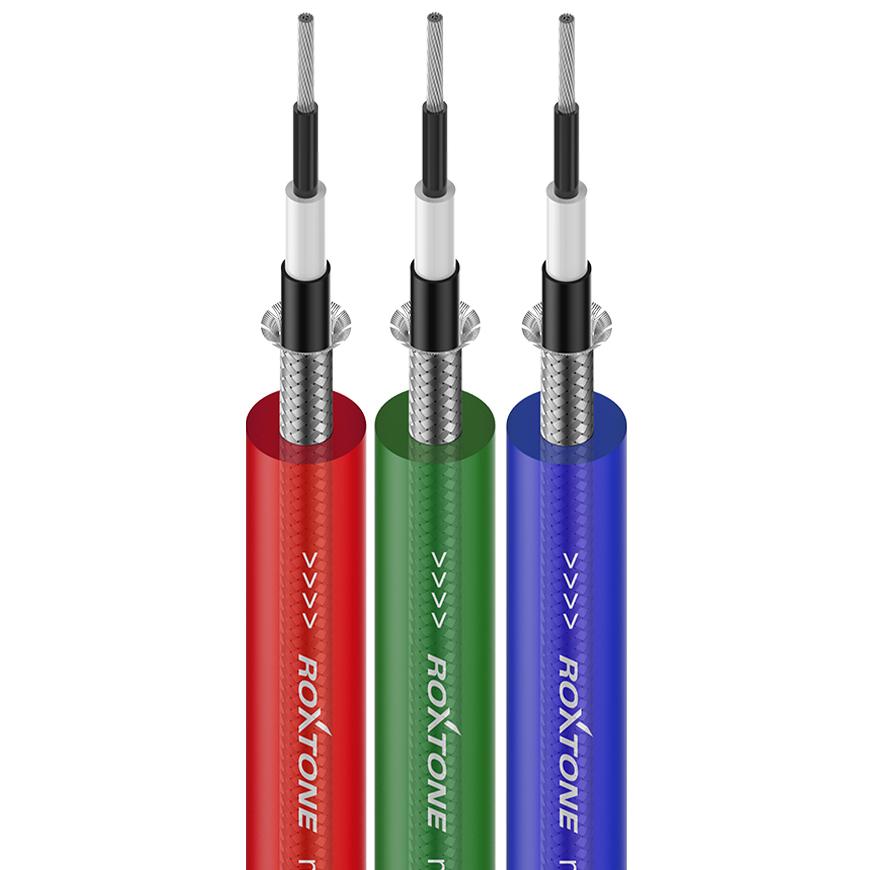
To address this, venues must evaluate their current infrastructure and identify components requiring upgrades. For example, replacing outdated cabling with high-speed ROXTONE cables ensures seamless data transmission. Additionally, adopting middleware solutions can bridge the gap between legacy systems and multicore platforms.
Tip: Conducting a thorough compatibility assessment before deployment minimizes integration issues and ensures smooth operations.
Budget and Cost Considerations
Implementing multicore systems involves substantial financial investment. Costs include hardware acquisition, software licensing, and infrastructure upgrades. For smaller venues, these expenses may seem prohibitive. However, the long-term benefits often outweigh the initial costs.
Venues can optimize budgets by prioritizing essential upgrades and leveraging scalable multicore solutions. For instance, ROXTONE offers cost-effective multicore systems tailored to different venue sizes. Bulk purchasing agreements and vendor partnerships further reduce expenses.
| Cost Factor | Mitigation Strategy |
|---|---|
| Hardware Acquisition | Opt for scalable multicore solutions. |
| Software Licensing | Negotiate bulk licensing agreements. |
| Infrastructure Upgrades | Replace critical components first. |
Technical Expertise for Deployment
Deploying multicore systems requires specialized knowledge. Technicians must understand multicore architectures, networking protocols, and system optimization techniques. Without proper expertise, venues risk inefficient installations and operational disruptions.
Training staff or hiring certified professionals ensures successful deployment. ROXTONE provides technical support and training programs to assist venues during installation. These resources empower teams to manage multicore systems effectively and maximize their capabilities.
Callout: Investing in technical expertise enhances system performance and reduces downtime during events.
Real-World Case Study
Successful Multicore System Installation
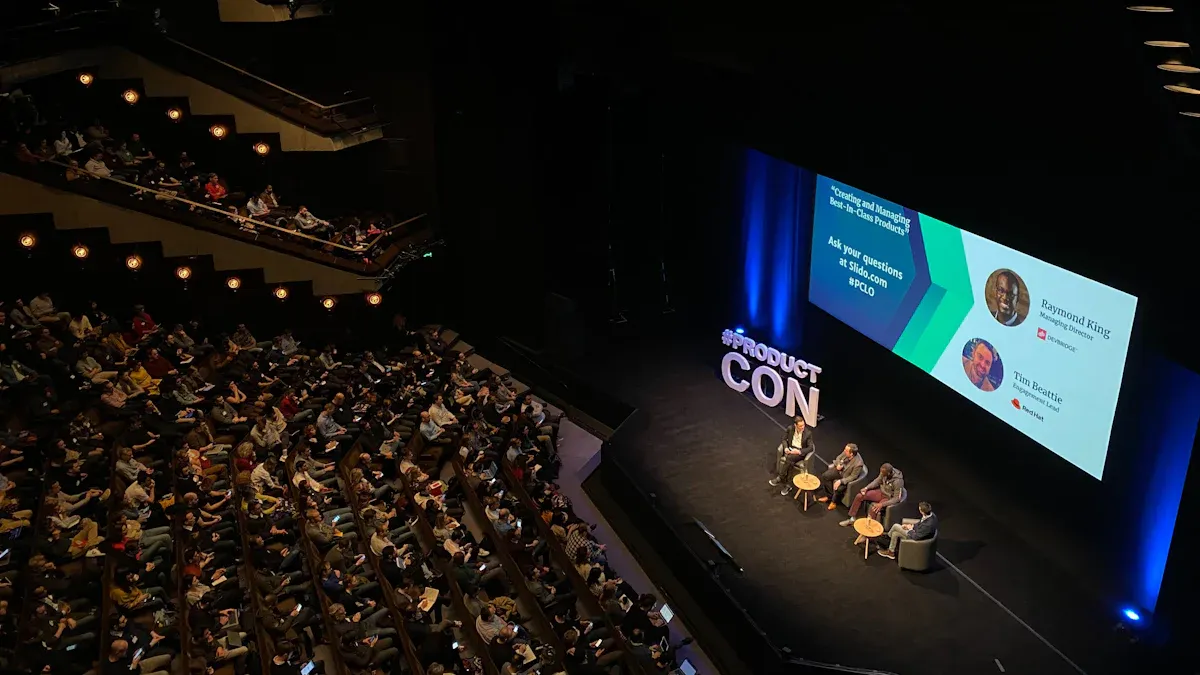
A prominent international conference center recently implemented a multicore system to modernize its operations. The venue, known for hosting events with over 10,000 attendees, faced challenges in managing its outdated infrastructure. The installation of a multicore system transformed its capabilities, enabling seamless management of audio-visual systems, real-time communication, and data analytics.
The project involved upgrading the venue’s core processing units and integrating ROXTONE’s high-performance multicore solutions. These systems provided the computational power needed to handle complex event setups, including multi-camera feeds, simultaneous translation, and hybrid conferencing. The installation process was completed within three months, ensuring minimal disruption to the venue’s operations.
Callout: The successful deployment of multicore systems allowed the venue to host its largest event to date, with over 15,000 participants across multiple locations.
Technologies and Strategies Used
The installation utilized cutting-edge technologies to enhance the venue’s infrastructure. Key components included:
- ROXTONE Multicore Systems: Delivered robust processing power for real-time operations.
- High-Speed Cabling: Ensured seamless data transmission across the venue.
- Middleware Solutions: Bridged compatibility gaps between legacy systems and new multicore platforms.
The team adopted a phased implementation strategy to minimize downtime. Initial phases focused on upgrading critical systems, such as audio-visual equipment and networking tools. Subsequent phases integrated advanced features like real-time analytics and AI-driven attendee engagement tools.
Impact on Operations and Attendee Experience
The multicore system significantly improved the venue’s operational efficiency. Tasks that previously caused delays, such as video rendering and data processing, now occur in real time. Event organizers reported a 40% reduction in setup times and a 25% increase in attendee satisfaction scores.
Attendees benefited from enhanced experiences, including crystal-clear audio, high-definition visuals, and seamless hybrid event participation. The system’s fault tolerance ensured uninterrupted operations, even during peak demand. By adopting multicore technology, the venue established itself as a leader in event innovation.
Tip: Investing in multicore systems not only improves operational efficiency but also elevates the overall attendee experience.
Multicore systems have revolutionized conference hall operations by enhancing performance, scalability, and reliability. The case study demonstrated their transformative impact on event management and attendee satisfaction.
Future Outlook: Emerging trends, such as AI integration and 8K video support, will further elevate multicore systems, ensuring venues stay ahead in event technology innovation.
FAQ
What makes multicore systems ideal for conference halls?
Multicore systems handle multiple tasks simultaneously, ensuring smooth audio-visual management, real-time communication, and data processing. Their scalability and fault tolerance make them indispensable for large-scale events.
How do multicore systems improve attendee experiences?
They enable seamless operations, such as high-definition visuals, synchronized audio, and real-time analytics. These features enhance engagement and satisfaction during events of any size.
Can multicore systems integrate with existing infrastructure?
Yes, multicore systems integrate with legacy setups using middleware solutions and compatible components like ROXTONE high-speed cables. This ensures smooth upgrades without disrupting operations.
Tip: Conducting a compatibility assessment before installation simplifies integration and minimizes downtime.