





Audio Channel Isolators: Reducing Noise in Professional Sound Systems
Audio channel isolators are crucial components in professional sound systems, expertly designed to minimize noise interference and preserve signal integrity. Devices like thedual-channel audio isolator and stereo audio isolator are instrumental in eliminating distortions caused by non-linear time-invariant components, ensuring crystal-clear audio transmission. By functioning as a ground loop isolator, they effectively address and isolate distortion, enhancing system reliability and optimizing sound quality. Whether utilized as a stereo signal isolator or a dual-channel audio isolator, these tools are essential for preventing issues such as ground loops and electromagnetic interference. ROXTONE provides these indispensable solutions to achieve high-quality and uninterrupted sound performance.
Key Takeaways
- Audio channel isolators remove noise, giving clear and good sound.
- They keep audio equipment safe from electrical problems and last longer.
- Pick the right isolator by knowing your system's needs.
- Make sure it fits and is well-made for best results.
What Are Audio Channel Isolators?
Definition and Purpose
An audio channel isolator is a specialized device designed to maintain the integrity of audio signals by eliminating unwanted noise and interference. It achieves this by electrically separating audio channels, preventing the transfer of disruptive elements such as ground loops or electromagnetic interference (EMI). These isolators act as a barrier between connected equipment, ensuring that the audio signal remains clean and undistorted.
Tip: Audio channel isolators are particularly effective in environments where multiple devices share power sources or are interconnected through complex signal paths.
The primary purpose of these devices is to enhance sound quality while safeguarding audio equipment from potential damage caused by electrical faults or interference. By isolating audio channels, they create a stable and reliable sound system that meets the demands of professional audio setups.
Common Applications in Professional Audio Systems
Audio channel isolators play a vital role in various professional audio environments. Their applications span across multiple industries and use cases, including:
- Recording Studios: These isolators ensure pristine audio quality by eliminating noise from interconnected equipment such as mixers, microphones, and monitors.
- Live Sound Systems: In concert venues or outdoor events, they prevent interference caused by long cable runs and shared power sources.
- Broadcasting: Audio channel isolators maintain signal clarity in radio and television studios, where multiple devices operate simultaneously.
- Home Theater Systems: They enhance the listening experience by reducing hums and buzzes in complex setups involving amplifiers and speakers.
- Corporate AV Systems: In conference rooms and presentation setups, isolators ensure clear audio transmission without interruptions.
Note: ROXTONE offers high-quality audio channel isolators tailored to meet the needs of these diverse applications, ensuring reliable performance and superior sound clarity.
By addressing common challenges such as ground loops and EMI, audio channel isolators have become indispensable tools for professionals seeking optimal sound quality and system reliability.
How Do Audio Channel Isolators Reduce Noise?
Eliminating Ground Loops
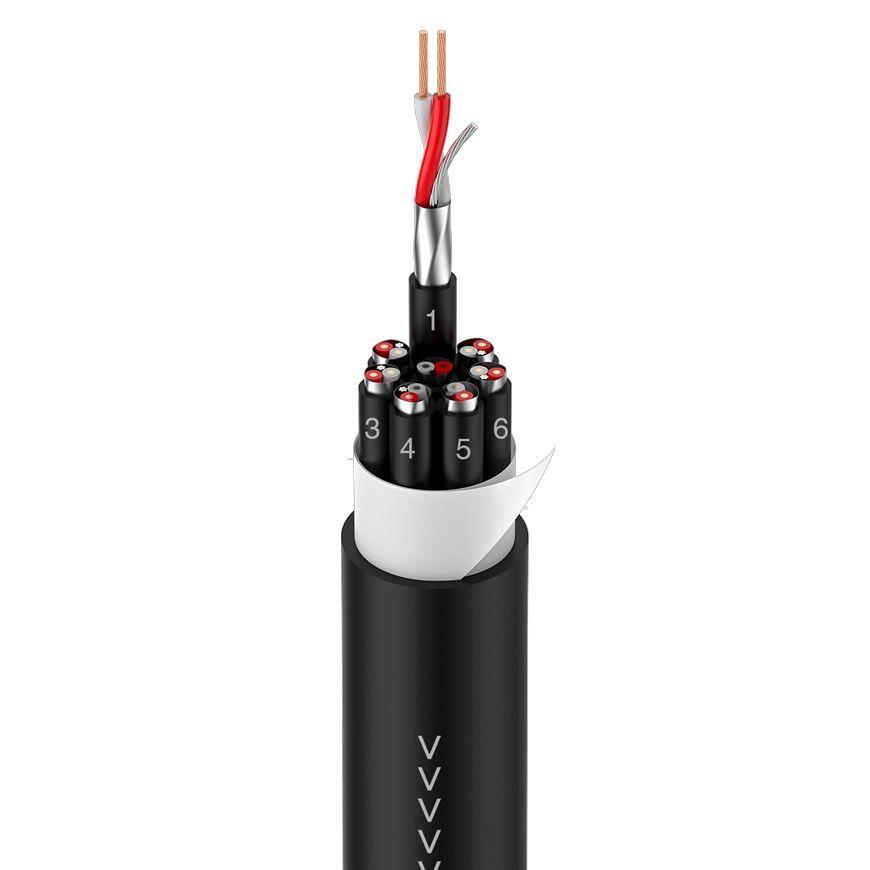
Ground loops are a common source of noise in professional audio systems. They occur when multiple devices share a common ground connection, creating a loop that picks up unwanted electrical interference. Audio channel isolators effectively eliminate these loops by electrically separating the ground paths of connected devices. This isolation prevents the flow of interference, ensuring a clean and uninterrupted audio signal.
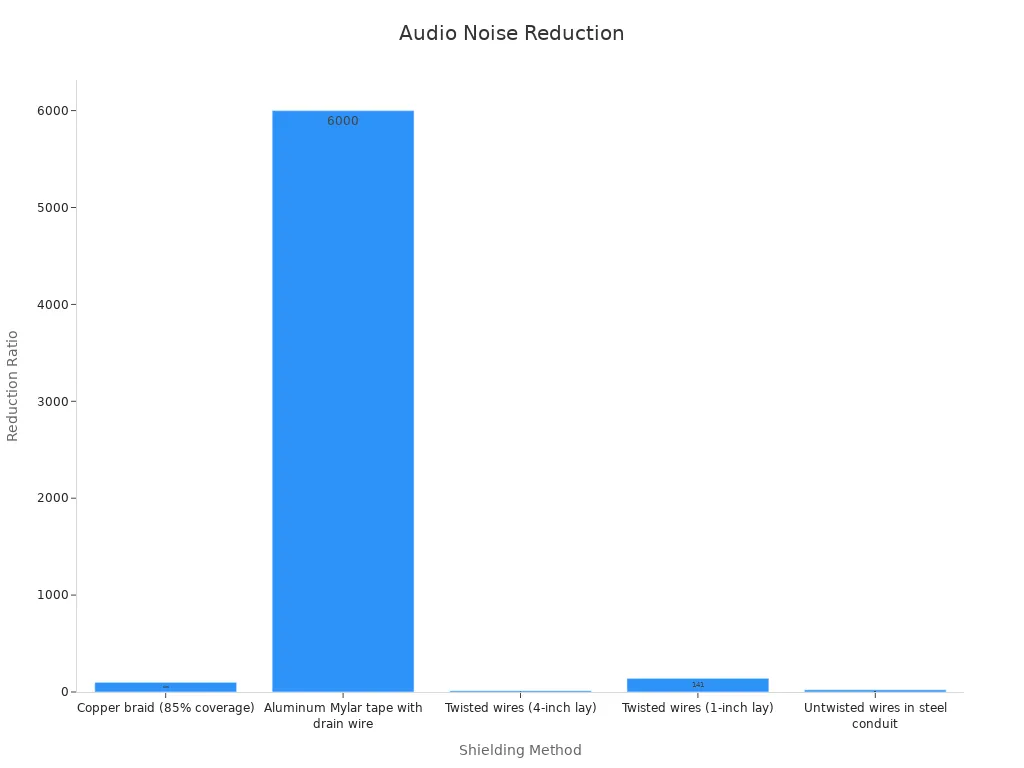
A comparison of various shielding methods demonstrates the effectiveness of isolators in reducing noise caused by ground loops. The table below highlights the noise reduction ratios achieved by different shielding techniques:
| Shielding Method | Noise Reduction Ratio |
|---|---|
| Copper braid (85% coverage) | 100:1 |
| Aluminum Mylar tape with drain wire | 6000:1 |
| Twisted wires (4-inch lay) | 14:1 |
| Twisted wires (1-inch lay) | 141:1 |
| Untwisted wires in steel conduit | 22:1 |
In addition to shielding, many professionals use isolator boxes with transformers to address ground loop issues. These boxes have been tested with various amplifiers, showing no significant sound difference with or without the transformer. Another common solution involves adding a Cable TV ground isolator to eliminate hum and buzz caused by ground loops.
Reducing Electromagnetic Interference (EMI)
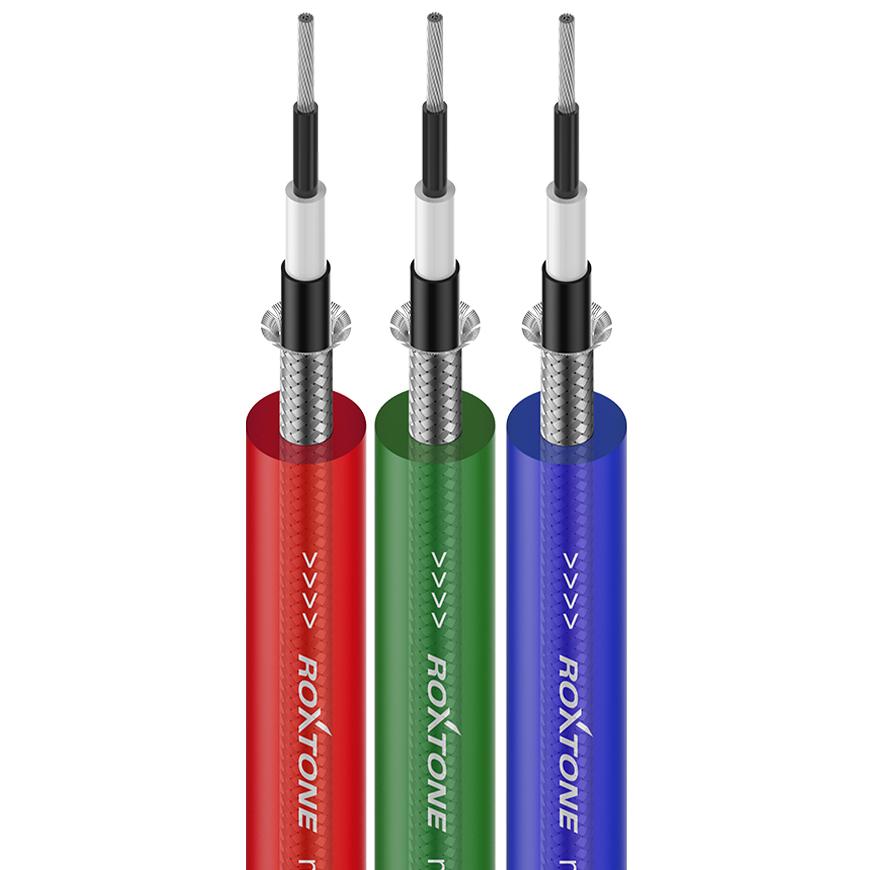
Electromagnetic interference (EMI) is another major contributor to noise in audio systems. It originates from external sources such as power lines, wireless devices, and electronic equipment. EMI can disrupt audio signals, leading to distortion and reduced sound quality. Audio channel isolators mitigate this issue by acting as a barrier that blocks electromagnetic fields from interfering with the signal path.
High-quality isolators, like those offered by ROXTONE, use advanced shielding materials and design techniques to minimize EMI. These isolators ensure that the audio signal remains unaffected, even in environments with significant electromagnetic activity. By reducing EMI, they enhance the clarity and fidelity of the audio output, making them indispensable in professional sound systems.
Breaking Signal Path Noise
Signal path noise arises from imperfections in the audio signal chain, including power supply noise and interference from connected devices. Audio channel isolators address this issue by breaking the direct electrical connection between devices, effectively isolating the signal path. This isolation eliminates the transfer of noise, resulting in a cleaner and more reliable audio signal.
For instance, the use of a Pi filter has been shown to significantly reduce power supply noise. Measurements reveal that pre-filtered output exhibited a three mVpp spike at 400 kHz, while post-filtered output noise was indistinguishable from the oscilloscope's noise floor. This demonstrates the effectiveness of isolators in breaking signal path noise. Additionally, resolving ground loop issues further validates their role in maintaining signal integrity.
By addressing ground loops, EMI, and signal path noise, audio channel isolators play a critical role in reducing noise and enhancing the performance of professional audio systems.
Benefits of Using Audio Channel Isolators
Enhanced Sound Clarity
Audio channel isolators significantly improve sound clarity by managing energy within the signal path and eliminating noise interference. Their design enhances tonal realism and creates an open soundstage, making them indispensable in professional audio setups.
| Metric | Benefit Description |
|---|---|
| Greater sound clarity | The OREA’s design manages energy within its core, resulting in enhanced sound clarity and an open soundstage. |
| Increased focus and precision | The sonic enhancements lead to improved focus and tonal realism in audio playback. |
| Frequency discipline | Provides important frequency control, contributing to an excellent sonic response. |
IsoAcoustics GAIA Isolators proved there is real science behind the sonic benefits of decoupling and isolating your loudspeakers from the floor.
These isolators also ensure better frequency discipline, which contributes to superior sonic response. By eliminating distortions caused by ground loops and electromagnetic interference, they allow audio systems to deliver precise and focused sound reproduction.
Improved System Reliability
Reliability is a cornerstone of professional sound systems, and audio channel isolators play a pivotal role in achieving it. They reduce reverberation and vibrations, ensuring consistent performance across various environments.
- One user reported a measurable reduction of -5dB in reverberation from 14Hz upwards after using Sorbathane bumpers.
- Another user noted significant improvements in sound quality after installing AUVA 70 speaker isolators.
- A third user highlighted enhanced bass clarity and the elimination of floor vibrations.
By stabilizing the signal path and minimizing interference, these isolators enhance the reliability of audio systems, making them ideal for live performances, recording studios, and broadcasting setups.
Protection Against Equipment Damage
Audio channel isolators safeguard equipment by preventing electrical faults and interference from damaging sensitive components. Their ability to electrically separate connected devices reduces the risk of short circuits and power surges. This protection extends the lifespan of audio equipment and ensures uninterrupted operation during critical performances.
Professionals rely on these isolators to maintain the integrity of their systems while avoiding costly repairs or replacements. ROXTONE’s high-quality isolators exemplify this protective capability, offering robust solutions for demanding audio environments.
Choosing the Right Audio Channel Isolator
Evaluating System Requirements
Selecting the right audio channel isolator begins with understanding the specific needs of the audio system. Factors such as the type of equipment, the environment, and the level of noise interference must be considered. For instance, systems operating in high-noise environments may require isolators with advanced shielding capabilities.
Quantitative factors also play a crucial role in evaluating system requirements. The table below highlights key technical specifications that assist in determining the suitability of an isolator:
| Rating | Description |
|---|---|
| GOOD | Minimum time and error in obtaining exact value in terms compatible with response. |
| GOOD | Information concerning displacement, direction, and rate presented in form compatible with required response. |
| GOOD | Start and stop timing. Continuous information where rate of change of input is low. |
| GOOD | Especially suitable for irregularly occurring signals (e.g., alarm signals). |
| GOOD | Meaning intrinsic in signal. |
| GOOD | Most effective for rapid (but not automatic) communication of complex, multidimensional information. |
By analyzing these factors, professionals can identify isolators that align with their system's performance and reliability goals.
Compatibility with Equipment
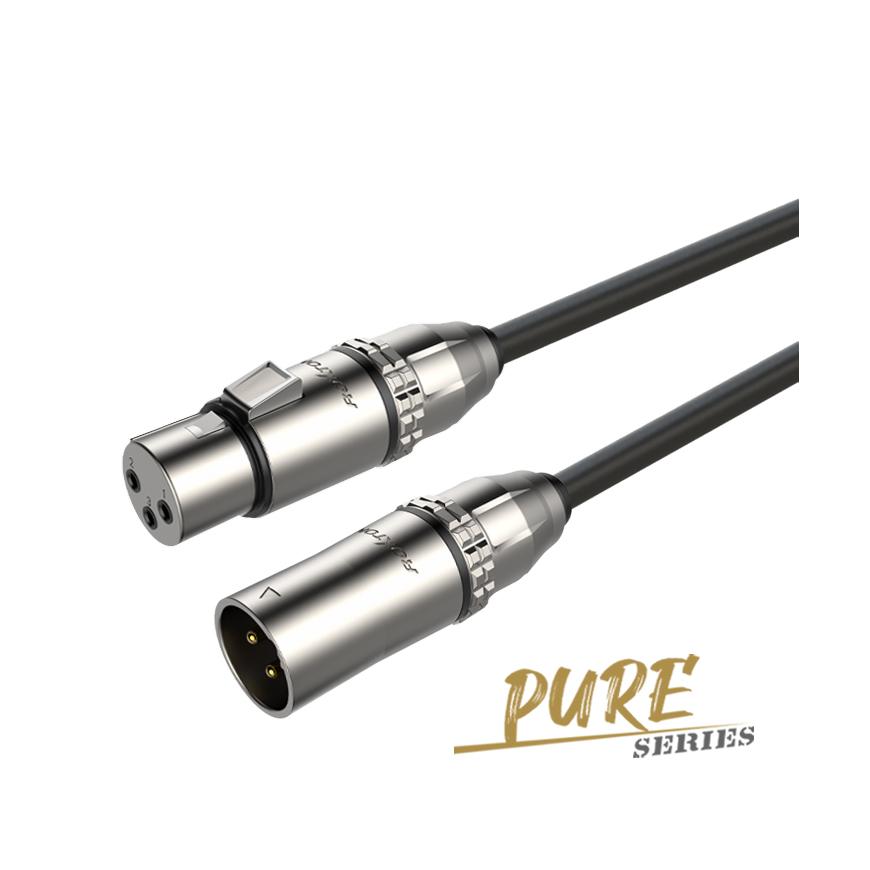
Ensuring compatibility between the audio channel isolator and the existing equipment is essential. Different devices operate on varying signal levels and connector types, which must match the isolator's specifications. For example, balanced and unbalanced connections require isolators designed to handle their respective signal paths.
Professionals should also verify the isolator's impedance rating to avoid signal degradation. A mismatch in impedance can lead to reduced sound quality or even equipment malfunction. Choosing an isolator that supports the system's input and output configurations ensures seamless integration and optimal performance.
Assessing Build Quality and Features
The durability and features of an audio channel isolator significantly impact its performance and longevity. High-quality materials, such as robust shielding and corrosion-resistant connectors, enhance the isolator's ability to withstand wear and tear.
Advanced features, such as multi-channel support and compact designs, provide added convenience for professional setups. Isolators from trusted brands like ROXTONE often include these features, ensuring reliable operation in demanding environments. By prioritizing build quality and functionality, professionals can invest in isolators that deliver consistent results over time.
Audio channel isolators play a pivotal role in reducing noise and preserving sound quality in professional audio systems. By eliminating interference and protecting equipment, they ensure reliable performance. These devices meet the demands of modern sound setups, making them indispensable for achieving high-quality audio output in diverse environments.
FAQ
What is the difference between balanced and unbalanced connections?
Balanced connections use three wires to cancel noise, while unbalanced connections use two wires and are more prone to interference.
Can audio channel isolators work with all types of audio equipment?
Most isolators support common equipment like mixers, amplifiers, and speakers. Compatibility depends on signal type and connector specifications.
How do I know if my system needs an audio channel isolator?
If your system experiences hums, buzzes, or distortion, an isolator can resolve these issues by eliminating ground loops and electromagnetic interference.