





3 reasons XLR audio interfaces beat USB audio interfaces in 2025
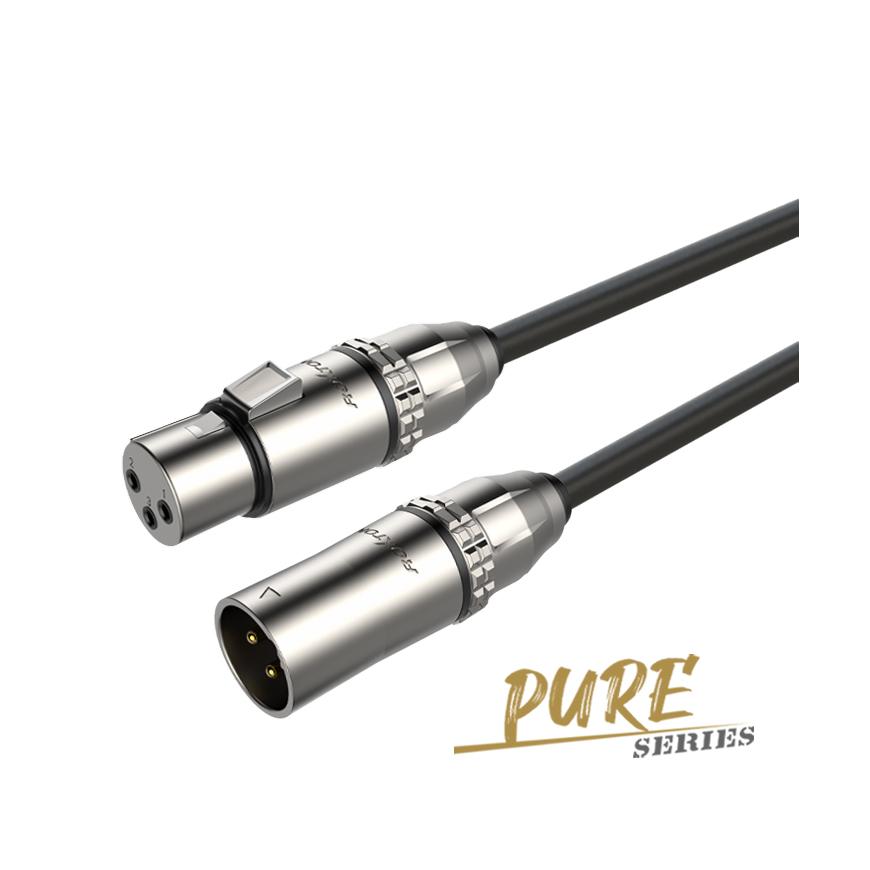
XLR audio interfaces stand out in 2025 for professionals who demand the best. They offer strong XLR female and XLR maleXLR microphone connectors. Many studios choose Swivel XLR connectorsfor added versatility. These features give XLR audio interfaces a clear edge over USB options.
- XLR male connectors ensure reliable signal flow.
Key Takeaways
- XLR audio interfaces deliver clearer, noise-free sound with professional features that capture every detail perfectly.
- They offer strong, secure connectionsthat last longer and avoid common USB problems like loose Cables and signal loss.
- XLR interfaces support many inputs and grow with your needs, making them ideal for studios, live events, and future upgrades.
Superior Sound Quality with XLR Audio Interfaces
Higher Fidelity and Lower Noise
XLR audio interfaces deliver exceptional sound quality, making them the preferred choice for professionals in 2025. These interfaces use balanced audio signals, which help reduce noise and interference. This design ensures that recordings remain clean and clear, even in challenging environments. ROXTONE, a leader in audio technology, equips its XLR audio interfaces with advanced preamps and converters. These features provide higher dynamic range and clarity.
- XLR microphones offer superior audio quality with a wide dynamic range.
- Balanced signals minimize unwanted noise and interference.
- Integration with professional gear, such as preamps and compressors, enhances overall sound.
The technical specifications highlight the advantages:
| Specification | Value/Description |
|---|---|
| Bit Depth | 16-bit, 24-bit |
| Sampling Rate | Up to 192kHz |
| Signal-to-Noise Ratio (SNR) | 90dBu (A-weighted) |
| Total Harmonic Distortion + Noise (THD+N) | <0.002% (A-weighted) |
| Dynamic Range | 90dBu (A-weighted) |
| Mic Preamp | Super linear mic preamp with low noise |
| Phantom Power | 48V phantom power for condenser microphones |
Importance for Recording and Streaming
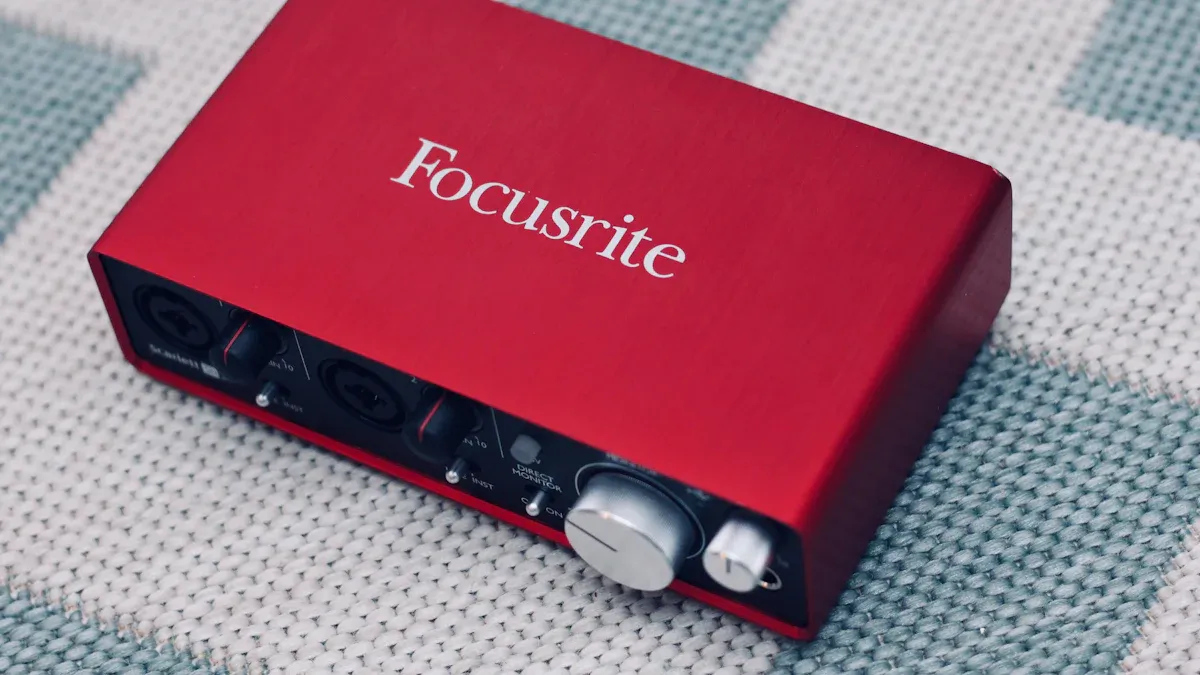
Professional recording and streaming demand high-quality audio. XLR audio interfaces meet these needs with features like zero-latency monitoring and multiple input options. Devices such as the Audient iD4 and Focusrite Scarlett 2i2 support high bit depths and sample rates, ensuring every detail is captured. ROXTONE’s interfaces also provide stable drivers and compatibility with digital audio workstations, making them ideal for both studio and live settings.
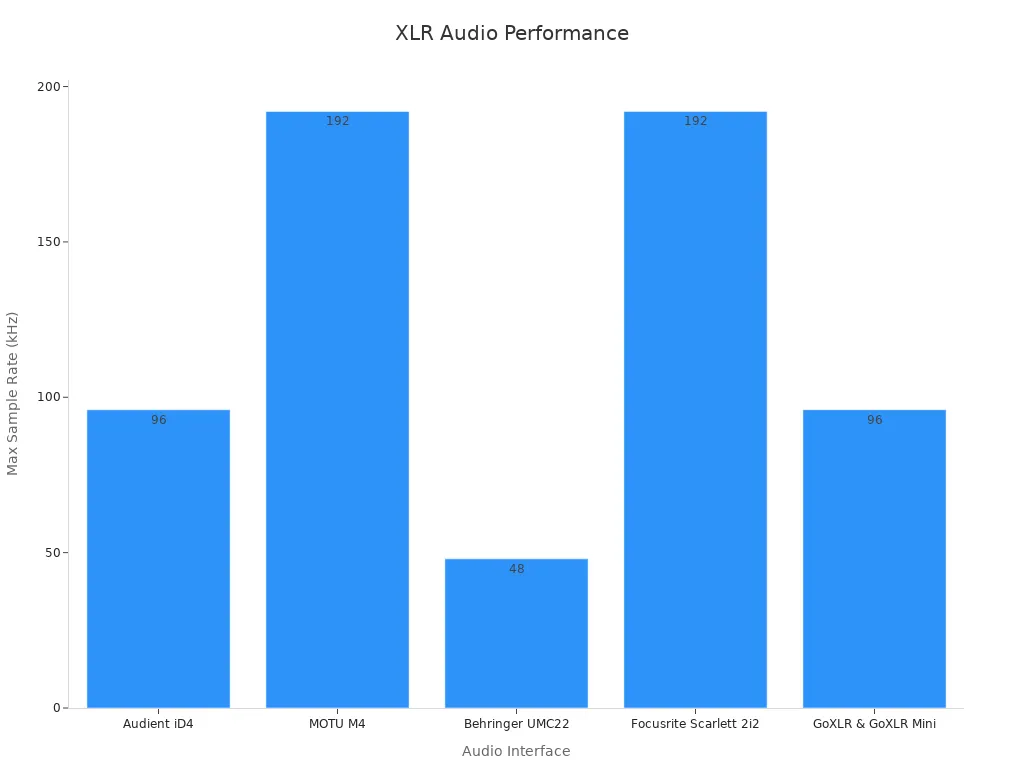
These advantages make XLR audio interfaces the top choice for creators who value reliability and pristine sound.
Greater Reliability and Durability of XLR Audio Interfaces
Robust Connections vs. USB Instability
XLR audio interfaces set the standard for reliable connections in professional audio. Their robust design uses balanced audio with three pins—positive, negative, and ground. This configuration allows the amplifier to reject noise by comparing the signals on the positive and negative conductors. As a result, Xlr Cables resist external interference and support long cable runs without signal loss. USB connections, on the other hand, face limitations. They often suffer from cable length restrictions and jitter issues, which can affect audio streaming quality.
- XLR connections use balanced audio, reducing noise and interference.
- The locking mechanism prevents accidental disconnections.
- USB interfaces are more prone to loose connections and frequent disconnections.
- Many users report USB driver issues and instability during use.
A comparison of key features highlights these differences:
| Feature | XLR Connections | USB Audio Interfaces |
|---|---|---|
| Mechanical Design | Locking, robust | Prone to loose connections |
| Signal Transmission | Balanced, strong noise rejection | Susceptible to driver/connectivity issues |
| Cable Run Length | 100+ feet without degradation | Limited by USB cable length |
| Durability | Built for professional use | Mixed feedback, some report broken parts |
Long-Term Use in Professional Environments
Professional studios rely on XLR audio interfaces for their durability and consistent performance. Manufacturers design these interfaces with robust metal housings and secure locking tabs. Recessed pins protect against damage and electrical shorts, while gold-plated contacts resist corrosion and maintain conductivity. Built-in strain relief protects cables from pulling or bending damage. These features ensure XLR audio interfaces withstand thousands of connect and disconnect cycles, making them ideal for studios, touring, and rental environments.
Many users find that XLR audio interfaces last longer and require less maintenance than USB alternatives. This reliability makes them a smart investment for anyone seeking professional results.
Enhanced Flexibility and Expandability with XLR Audio Interfaces
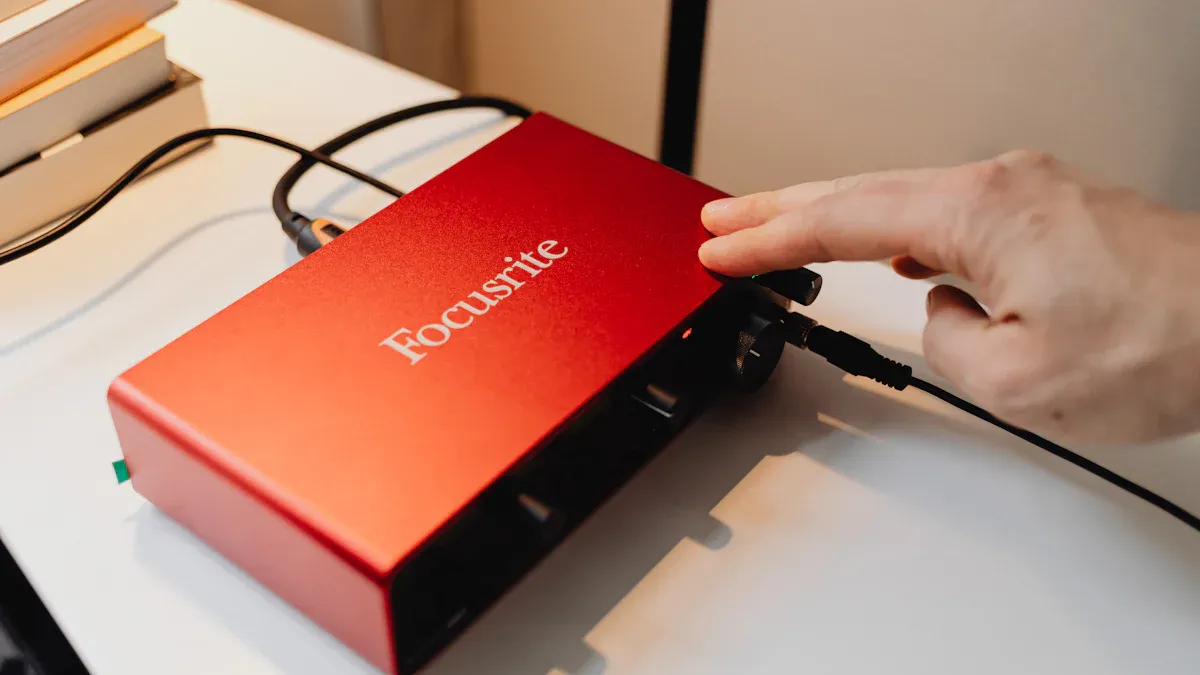
Advanced Setups and Multiple Inputs
Modern studios and creators often need to record many sources at once. XLR audio interfaces support advanced setups by allowing users to connect multiple microphones and instruments. Devices like the MOTU 828 and 8M models show how these interfaces handle complex multi-channel audio. The MOTU 828, for example, supports up to 60 audio channels at once, including XLR mic inputs and main outputs. Users can control these setups through front-panel controls, Wi-Fi apps, or web interfaces, making them suitable for both studio and live use.
- Expansion boxes such as the Behringer ADA8000 or M-Audio Octane add eight more mic inputs each.
- Multi-device drivers let users combine several interfaces, increasing the total number of inputs and outputs.
- Composite interfaces can be built using different hardware, with low latency and clock synchronization.
- These features help users record bands, podcasts, or live events without replacing their main interface.
Technical documentation and performance reports confirm that XLR audio interfaces can handle these advanced setups with ease.
Future-Proofing and Scalability
XLR audio interfaces offer strong future-proofing for growing studios and changing technology. Balanced audio lines resist interference, which allows for long cable runs and reliable signal quality. Innovations in cable materials and connector designs improve durability and signal integrity. XLR interfaces also work well with both analog and digital systems, including networked audio formats like Dante and AVB. This compatibility makes them ideal for expanding sound systems in concerts, studios, and broadcast facilities.
- XLR interfaces adapt to new technologies and larger setups.
- Market trends show rising demand for scalable and reliable audio solutions.
- Their robust design and integration options ensure they remain relevant as audio needs evolve.
These qualities make XLR audio interfaces a smart choice for anyone planning to grow their audio setup.
XLR audio interfaces stand out for sound quality, reliability, and flexibility. Musicians and creators report high satisfaction, as shown below:
| Aspect | User Satisfaction (%) |
|---|---|
| Audio Quality | 95 |
| Build Quality | 91 |
| Latency | 94 |
| Overall Satisfaction | 90 |
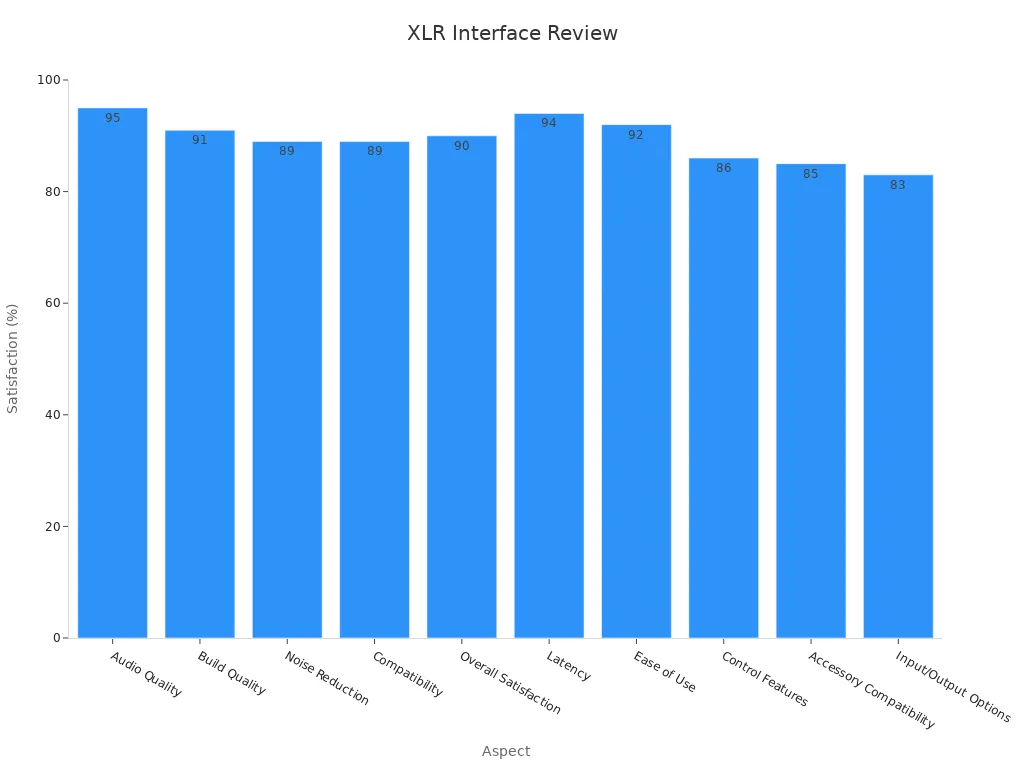
For a future-proof, professional setup, XLR audio interfaces remain the smart choice.
By: Roxtone
Tel: +86 574 87154705
Fax:+86 574 56138190
E-mail: [email protected]
Facebook: Roxtone
Youtube: Roxtone
X: Roxtone