





2024 Trends in Networking Cables: Cat6 vs. Cat7 for B2B Infrastructure
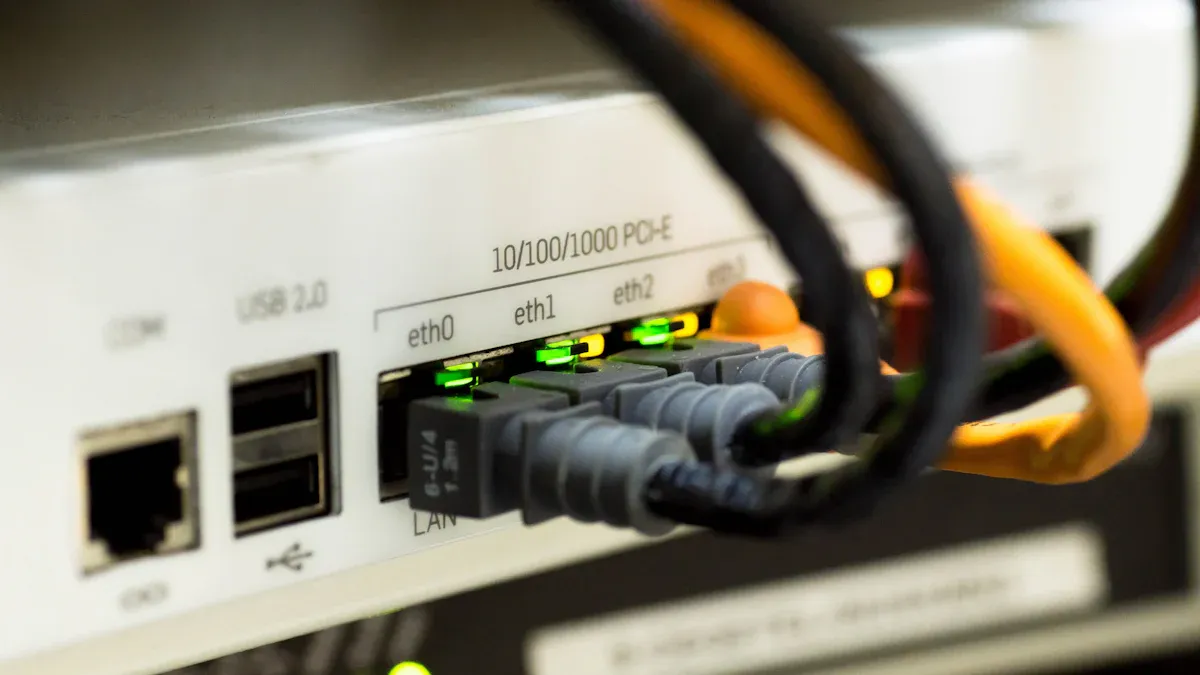
Selecting the right networking cables plays a vital role in optimizing B2B infrastructure in 2024. Cat5e cable, along with Cat6 and Cat7 cables, supports high-speed connections, with each type differing in performance range. While Cat6 cables achieve 10 Gbps speeds over 55 meters, Cat7 extends this capability to 100 meters, making it ideal for larger setups. Additionally, Cat7 offers superior shielding, reducing interference and enhancing durability.
Modern businesses rely on high-speed connections to support data-intensive operations like cloud computing and video conferencing. Upgrading to advanced Ethernet cablesolutions, such as Cat5e cable and Cat7, ensures seamless communication, scalability, and future-proofing for evolving technological needs. Companies like ROXTONE provide reliablebulk Ethernet cable options tailored for diverse business environments.
Key Takeaways
- Cat6 cables are cheaper and work well for small businesses. They support speeds up to 10 Gbps but only for short distances.
- Cat7 cables are faster, reaching speeds up to 40 Gbps. They have better protection, making them great for heavy data use.
- Companies should think about their needs now and later to pick the right cables. They need to balance speed and cost.
- Switching to Cat7 cables can prepare networks for the future. It helps them work with new tech and avoids frequent upgrades.
- Working with trusted brands like ROXTONE gives businesses good-quality cables. These cables meet both performance and eco-friendly goals.
Key Features of Cat6 and Cat7 Networking Cables
Speed and Bandwidth Capabilities
The speed and bandwidth capabilities of Cat6 and Cat7 networking cables make them essential for modern business environments. Cat6 cables support speeds of up to 10 Gbps over shorter distances, typically between 33 to 55 meters. This makes them suitable for small to medium-sized office setups. In contrast, Cat7 cables deliver significantly higher performance, supporting bandwidths of up to 1000 MHz. They can transmit data at speeds of 40 Gbps over longer distances (up to 54 yards) and even reach 100 Gbps over shorter spans (up to 16 yards).
These capabilities make Cat7 cables ideal for data-intensive applications like video streaming, cloud computing, and large-scale data transfers. Empirical tests confirm that Cat7 cables outperform Cat6 in terms of download and upload speeds, although the difference may be negligible for less demanding users. Businesses requiring high-speed connections for critical operations often benefit from the superior bandwidth and reduced crosstalk offered by Cat7 cables.
Shielding and Durability
Shielding plays a crucial role in maintaining signal integrity, especially in environments with high electronic noise. Cat6 cables feature standard shielding, which provides moderate resistance to crosstalk and electromagnetic interference. On the other hand, Cat7 cables incorporate extensive shielding, including individual shielding for each twisted pair and an overall cable shield. This design minimizes external interference and ensures stable performance, even in noisy environments like data centers.
Durability is another area where Cat7 cables excel. They are built to withstand harsher conditions, offering greater longevity and reliability. The use of high-quality copper conductors and tighter twisting specifications enhances their performance at higher frequencies. These features make Cat7 cables a valuable investment for businesses looking to future-proof their networking infrastructure.
| Feature | Cat6 | Cat7 |
|---|---|---|
| Shielding | Standard shielding | Extensive shielding with individual pair shielding and overall cable shield |
| Crosstalk Resistance | Moderate | Superior due to individual pair shielding |
| Durability | Standard durability | Enhanced for harsher environments |
| Performance at High Frequencies | Limited | Improved with higher quality copper conductors and tighter twisting specifications |
Compatibility with Existing Systems
Compatibility is a key consideration when selecting networking cables for business environments. Both Cat6 and Cat7 cables are compatible with RJ45 connectors, which are widely used in modern networking systems. However, Cat7 cables also support GG45 connectors, designed for higher performance. While GG45 connectors can connect to RJ45 sockets, the reverse is not true, which may limit Cat7's compatibility with older devices.
Cat6 cables are more flexible and easier to install, making them a practical choice for typical office setups. They are also backward compatible with older Ethernet standards, ensuring seamless integration with existing systems. In contrast, Cat7 cables, with their thicker design, may pose installation challenges but offer enhanced interference resistance. Businesses must weigh these factors when deciding between the two options.
Tip: For companies seeking a balance between performance and compatibility, Cat6a cables provide higher data rates while maintaining backward compatibility.
Cost and Affordability
Cost plays a pivotal role in determining the right networking cable for B2B infrastructure. Businesses must evaluate their budgets and long-term goals when choosing between Cat6 and Cat7 cables. While both options offer excellent performance, their price points differ significantly, influencing their affordability for enterprises.
Cat6 cables are widely recognized for their cost-effectiveness. They provide reliable performance at a fraction of the cost of Cat7 cables, making them an attractive choice for small to medium-sized businesses. On the other hand, Cat7 cables, with their advanced shielding and higher bandwidth capabilities, come with a premium price tag. This price difference often makes Cat7 cables less accessible for organizations with limited budgets.
Key market analyses reveal the following trends in pricing and affordability:
- Cat6 cables are generally more affordable compared to Cat7 and Cat8 cables.
- The higher costs associated with Cat7 cables can deter smaller businesses from upgrading their network infrastructures.
- Enterprises with data-intensive operations often justify the investment in Cat7 cables due to their superior performance and durability.
Note: Companies like ROXTONE offer bulk Ethernet cable solutions, helping businesses optimize costs without compromising quality.
For businesses prioritizing cost-efficiency, Cat6 cables remain a practical choice. However, organizations seeking to future-proof their infrastructure may find the higher initial investment in Cat7 cables worthwhile. By carefully assessing their networking needs and budget constraints, businesses can strike the right balance between performance and affordability.
2024 Trends in Networking Cables
Technological Advancements in Networking Cables
The networking cable industry is undergoing significant technological advancements in 2024. Innovations in superconductors, fiber optic cables, and high-voltage direct current (HVDC) systems are transforming the efficiency of data transmission. These technologies reduce energy loss and enhance overall performance. The growing demand for fiber optics, driven by the rise of cloud computing, is pushing manufacturers to develop cables with higher data transmission capabilities.
Intelligent and efficient cable solutions are also gaining traction. These advancements support the digital transformation of businesses by improving network reliability and scalability. IT teams are prioritizing efficiency, security, and sustainability in their infrastructure upgrades. As a result, networking investments have led to a 19% increase in customer satisfaction, a 17% boost in employee productivity, and a 10% growth in revenue for businesses adopting modern solutions.
| Trend Description | Impact |
|---|---|
| Advancements in superconductors, fiber optic cables, and HVDC systems | Enhances efficiency and reduces energy loss during transmission |
| Increased demand for fiber optics due to cloud computing | Drives innovation in data transmission capabilities |
| Growth in intelligent and efficient cable solutions | Supports the overall growth of the cable market industry |
Cost-Effectiveness and ROI for Businesses
Investing in modern networking cables offers substantial cost-effectiveness and return on investment (ROI) for businesses. Fiber optic cables, for instance, provide superior bandwidth and speed, meeting the demands of data-intensive applications. They maintain signal integrity over long distances, reducing the need for repeaters and lowering associated costs. Additionally, their energy efficiency minimizes operational expenses, making them a financially sound choice.
Economic studies highlight key factors influencing ROI:
- Risk Management: Redundant network links reduce downtime risks, preventing financial losses.
- Network Migration: Upgrading to advanced technologies enhances performance, justifying the initial investment.
- Power Optimization: Energy-efficient hardware lowers operational costs, contributing to long-term savings.
| Economic Factor | Description |
|---|---|
| Capital Investments | Initial costs required to set up the infrastructure for networking cables. |
| Operating Costs | Ongoing expenses associated with maintaining the networking infrastructure. |
| Revenue Projections | Expected income generated from the investment in networking cables. |
| Profit Projections | Anticipated profits based on revenue and costs. |
| Financial Analysis | Comprehensive evaluation of liquidity, profitability, and return on investment metrics such as NPV and payback period. |
Businesses that prioritize cost-effective solutions often achieve better financial outcomes. Companies like ROXTONE provide high-quality networking cables that balance performance and affordability, ensuring a strong ROI for enterprises.
Future-Proofing with Cat7 Cables
Future-proofing remains a critical consideration for businesses upgrading their networking infrastructure. Cat7 cables, with their advanced shielding and high bandwidth capabilities, offer a reliable solution for long-term needs. These cables support data transmission speeds of up to 40 Gbps over longer distances, making them ideal for data-intensive operations. Their durability and resistance to interference ensure consistent performance in demanding environments.
Architectural changes in digital business models are driving the adoption of Cat7 cables. These cables align with the growing need for scalable and secure networks. By investing in Cat7, businesses can prepare for future technological advancements without frequent upgrades. This forward-thinking approach not only enhances operational efficiency but also reduces long-term costs.
Tip: Partnering with trusted providers like ROXTONE ensures access to premium Cat7 cables that meet the highest industry standards.
Sustainability in Cable Manufacturing
Sustainability has become a cornerstone of modern cable manufacturing. Companies are adopting eco-friendly practices to reduce their environmental impact while meeting the growing demand for high-performance networking cables. This shift reflects the industry's commitment to responsible production and long-term environmental stewardship.
Eco-Friendly Materials
Manufacturers increasingly use recyclable and biodegradable materials in cable production. These materials minimize waste and reduce the reliance on non-renewable resources. For instance, halogen-free flame retardants replace traditional PVC coatings, offering safer disposal options and lower toxicity levels.
Note: ROXTONE integrates eco-conscious materials into its cable designs, ensuring compliance with global environmental standards.
Energy-Efficient Production
Energy efficiency plays a vital role in sustainable manufacturing. Advanced technologies, such as automated systems and renewable energy sources, optimize production processes and reduce carbon emissions. These innovations not only lower operational costs but also align with global efforts to combat climate change.
Industry Collaboration and Certifications
Collaboration within the industry drives sustainability forward. Manufacturers work with regulatory bodies to achieve certifications like RoHS (Restriction of Hazardous Substances) and ISO 14001 (Environmental Management Systems). These certifications validate their commitment to reducing environmental harm.
| Certification | Description | Impact |
|---|---|---|
| RoHS | Restricts hazardous substances in electronics | Promotes safer materials |
| ISO 14001 | Focuses on environmental management systems | Encourages sustainable practices |
The Role of ROXTONE
ROXTONE leads the charge in sustainable cable manufacturing. The company prioritizes eco-friendly materials, energy-efficient processes, and compliance with environmental certifications. Its innovative approach ensures businesses receive high-quality networking cables without compromising sustainability goals.
Tip: Partnering with manufacturers like ROXTONE allows businesses to align their infrastructure upgrades with environmental objectives.
Sustainability in cable manufacturing is no longer optional. It is a necessity for businesses aiming to balance performance with environmental responsibility.
Choosing the Right Networking Cables for B2B Infrastructure
Performance and Speed Requirements
Performance and speed are critical factors when selecting networking cables for business environments. High-speed connections enable seamless operations, especially for data-intensive tasks like video conferencing, cloud computing, and file sharing. According to the Cisco Annual Internet Report, businesses typically require download speeds of 25 Mbps and upload speeds of 3 Mbps to perform essential tasks efficiently. Slow connections can hinder productivity, causing delays in communication and workflow.
Networking cables play a pivotal role in meeting these requirements. Cat6 cables, with speeds of up to 10 Gbps, are suitable for small to medium-sized setups. For larger enterprises or operations requiring higher bandwidth, Cat7 cables offer speeds of up to 40 Gbps, ensuring smooth data transmission even during peak usage. These cables also reduce latency, which is vital for real-time applications like virtual meetings and remote collaboration.
Modern business networks demand reliability and scalability. Investing in high-performance networking cables ensures uninterrupted operations and supports future growth. Companies like ROXTONE provide solutions tailored to meet these performance needs, offering cables that align with industry standards and business objectives.
Environmental and Installation Considerations
Environmental factors and installation requirements significantly influence the choice of networking cables. Office environments with high electronic noise, such as data centers, benefit from cables with superior shielding. Cat7 cables, featuring individual pair shielding and overall cable protection, minimize interference and maintain signal integrity in noisy conditions.
Installation considerations include cable flexibility, thickness, and compatibility with existing systems. Cat6 cables are easier to install due to their thinner design and compatibility with standard RJ45 connectors. In contrast, Cat7 cables, while offering enhanced durability, may require specialized connectors like GG45, which could complicate installation in older setups.
Businesses must also account for environmental sustainability. Networking cables manufactured with eco-friendly materials, such as halogen-free flame retardants, reduce environmental impact. ROXTONE integrates sustainable practices into its cable production, ensuring compliance with global standards while delivering high-quality solutions.
Tip: For installations in challenging environments, prioritize cables with robust shielding and durability to ensure long-term reliability.
Cable Length and Signal Integrity
Cable length directly impacts signal integrity and overall network performance. Exceeding the recommended 100-meter limit can lead to slower data transmission speeds, signal loss, and increased latency. Longer cables may also experience higher risks of crosstalk interference, which can degrade performance in high-demand environments.
To maintain optimal signal integrity, businesses should carefully plan cable layouts and avoid exceeding length limits. Cat6 cables perform well within shorter distances, while Cat7 cables maintain superior performance over longer spans. Proper installation techniques, such as using patch panels and repeaters, can mitigate signal attenuation and ensure consistent data flow.
Unordered List of Technical Measurements:
- Slower Data Transmission Speeds: Signals weaken over distances exceeding 100 meters.
- Signal Loss and Attenuation: Longer cables increase the risk of data corruption.
- Increased Latency: Delayed data packet travel affects real-time applications.
- Higher Risk of Crosstalk Interference: Adjacent cables may cause performance issues.
Businesses should prioritize cable length planning during infrastructure upgrades. ROXTONE offers networking cables designed to optimize signal integrity, ensuring reliable performance across various setups.
Budget and Scalability Factors
Budget and scalability play a pivotal role in determining the most suitable networking cables for B2B infrastructure. Businesses must carefully evaluate their financial resources and growth projections to make informed decisions. Networking infrastructure upgrades often involve significant capital expenditures (CapEx) and ongoing operational expenditures (OpEx). These costs can strain budgets, especially for small and medium-sized enterprises (SMEs).
Balancing Budget Constraints with Performance Needs
Organizations face challenges when balancing budget constraints with the need for high-performance networking solutions. High-quality cables like Cat7 offer superior performance but come with a higher price tag. For businesses with limited budgets, prioritizing investments becomes essential. Identifying critical areas for improvement ensures that resources are allocated effectively.
- Market surveys highlight the growing adoption of cloud computing models to enhance scalability.
- High CapEx and OpEx remain significant challenges for businesses upgrading their infrastructure.
- Strategic planning helps organizations address budget constraints without compromising performance.
Tip: Companies like ROXTONE provide cost-effective bulk Ethernet cable solutions, enabling businesses to optimize their budgets while maintaining quality.
Scalability Considerations for Future Growth
Scalability is a critical factor for businesses planning long-term infrastructure upgrades. Networking cables must support future growth without requiring frequent replacements. Cat6 cables offer a cost-effective solution for current needs but may fall short as data demands increase. In contrast, Cat7 cables provide higher bandwidth and durability, making them a better choice for scalable networks.
| Cable Type | Scalability Potential | Ideal Use Case |
|---|---|---|
| Cat6 | Moderate | Small to medium-sized businesses with limited data demands. |
| Cat7 | High | Enterprises requiring long-term scalability and high-speed connections. |
Investing in scalable solutions reduces the need for frequent upgrades, saving costs in the long run. Businesses adopting cloud computing and data-intensive applications benefit from the advanced capabilities of Cat7 cables. These cables ensure seamless integration with future technologies, supporting growth and innovation.
Practical Recommendations
To address budget and scalability challenges, businesses should adopt a strategic approach. Evaluating current and future networking needs helps in selecting the most appropriate cables. For organizations with tight budgets, combining Cat6 and Cat7 cables in hybrid setups can optimize costs while ensuring scalability.
Note: Partnering with trusted providers like ROXTONE ensures access to high-quality cables that balance affordability and performance.
By aligning cable selection with financial goals and growth strategies, businesses can build robust and scalable networks that support their long-term objectives.
Practical Recommendations for Networking Cables
When to Opt for Cat6 in B2B Environments
Cat6 cables are an excellent choice for businesses with moderate networking needs. Their affordability and reliable performance make them ideal for small to medium-sized enterprises (SMEs). These cables support speeds of up to 10 Gbps over shorter distances, which is sufficient for tasks like email communication, file sharing, and video conferencing.
To maximize the benefits of Cat6 cables, businesses should conduct a thorough site assessment. This process identifies existing infrastructure challenges and ensures optimal cabling pathways. Proper installation, adhering to industry standards, further enhances network performance. Post-installation testing verifies that the cables meet functionality and performance specifications.
| Condition/Practice | Description |
|---|---|
| Site Assessment | Evaluates existing infrastructure and identifies challenges for optimal cabling pathways. |
| Proper Installation | Ensures compliance with industry standards and attention to detail for optimal network performance. |
| Post-Installation Testing | Verifies functionality and performance specifications, addressing any issues promptly. |
| Versatility in Commercial Settings | Supports robust data transfer for communication and collaboration, suitable for various applications. |
| Future Upgrade Accommodation | Provides a long-term solution as technology evolves, ensuring continued performance. |
Cat6 cables also offer versatility in commercial settings, supporting robust data transfer for communication and collaboration. Their compatibility with existing systems ensures seamless integration, making them a practical solution for businesses prioritizing cost-effectiveness.
When to Invest in Cat7 for Advanced Needs
Cat7 cables are designed for environments demanding advanced technological capabilities. Their enhanced shielding and higher frequencies reduce interference, making them suitable for industrial settings and large data centers. These cables support high-speed data transmission, which is essential for technologies like 5G, artificial intelligence (AI), and the Internet of Things (IoT).
- High-speed data transmission ensures seamless performance for advanced applications.
- Double shielding minimizes electromagnetic interference in high-density environments.
- Robust construction reduces maintenance costs and extends the lifespan of the cables.
- Power over Ethernet (PoE) compatibility simplifies cabling infrastructure.
Businesses planning to future-proof their networks benefit from Cat7 cables. Their ability to support upcoming technologies ensures scalability and efficiency. For example, data centers requiring reliable and fast data transfer often rely on Cat7 solutions to meet their operational demands.
Combining Cat6 and Cat7 in Hybrid Setups
A hybrid setup combining Cat6 and Cat7 cables offers a cost-effective solution for businesses with diverse networking needs. This approach allows organizations to allocate resources strategically, using Cat6 cables for less demanding tasks and Cat7 cables for high-performance requirements.
The structured cabling design, based on a physical hierarchical star topology, supports this hybrid approach. It ensures flexibility and manageability while accommodating future upgrades. By anticipating future applications, businesses can avoid unnecessary duplication of resources.
- Cat6 cables can handle standard office tasks like email and file sharing.
- Cat7 cables can support data-intensive operations like cloud computing and AI.
- A hybrid setup reduces overall costs while maintaining high performance where needed.
This combination provides a scalable and efficient solution, aligning with both current and future business objectives. Companies like ROXTONE offer tailored networking cables to support hybrid setups, ensuring optimal performance and cost management.
Upgrading Existing Infrastructure with ROXTONE Solutions
Upgrading existing networking infrastructure requires careful planning and reliable solutions. ROXTONE offers a comprehensive range of high-performance networking cables designed to meet the evolving needs of modern businesses. Their products provide the perfect balance of performance, durability, and cost-efficiency, making them an ideal choice for infrastructure upgrades.
Key Benefits of ROXTONE Solutions
- Seamless Integration: ROXTONE cables are compatible with both legacy systems and modern networking equipment. This ensures businesses can upgrade their infrastructure without replacing all existing hardware.
- Enhanced Performance: With advanced shielding and high-quality materials, ROXTONE cables minimize interference and maintain signal integrity, even in high-density environments.
- Scalability: ROXTONE solutions support future growth by offering cables with higher bandwidth and speed capabilities, such as Cat7 and Cat8 options.
Tip: Businesses planning phased upgrades can combine ROXTONE Cat6 and Cat7 cables to optimize costs while ensuring high performance where needed.
Simplifying the Upgrade Process
ROXTONE simplifies the often complex process of upgrading networking infrastructure. Their bulk Ethernet cable solutions allow businesses to purchase cables in large quantities, reducing costs and ensuring consistent quality. Additionally, their cables come with clear labeling and installation guides, making deployment straightforward for IT teams.
| Feature | Benefit |
|---|---|
| Bulk Ethernet Solutions | Cost savings and consistent quality across large-scale installations. |
| Clear Labeling | Simplifies cable identification during installation. |
| Installation Guides | Reduces setup time and ensures proper deployment. |
Why Choose ROXTONE?
ROXTONE stands out as a trusted provider in the networking industry. Their commitment to quality, sustainability, and customer satisfaction ensures businesses receive reliable solutions tailored to their needs. By partnering with ROXTONE, organizations can future-proof their networks while optimizing performance and cost-efficiency.
Note: ROXTONE’s cables comply with global standards, ensuring durability and long-term reliability for any business environment.
Upgrading with ROXTONE solutions equips businesses with the tools they need to stay competitive in a rapidly evolving digital landscape.
Cat6 and Cat7 networking cables differ significantly in performance, shielding, and scalability. Cat6 offers cost-effective solutions for small to medium-sized businesses, while Cat7 excels in high-speed, data-intensive environments. For most B2B setups in 2024, Cat6 remains a practical choice due to its affordability and compatibility. However, businesses aiming to future-proof their infrastructure should consider Cat7 for its superior bandwidth and durability.
Selecting the right networking cables ensures seamless operations and supports long-term growth. Aligning cable choices with business objectives helps organizations stay competitive in an evolving digital landscape.
FAQ
What are the main differences between Cat6 and Cat7 cables?
Cat6 cables support speeds up to 10 Gbps over 55 meters, while Cat7 can reach 40 Gbps over longer distances. Cat7 also features superior shielding, reducing interference and enhancing durability. These differences make Cat7 ideal for high-performance environments.
Are Cat7 cables compatible with older networking systems?
Cat7 cables work with RJ45 connectors, ensuring compatibility with most existing systems. However, they also support GG45 connectors for advanced performance. Businesses should verify their hardware compatibility before upgrading to Cat7 cables.
How do Cat6 and Cat7 cables impact business scalability?
Cat6 cables suit small to medium-sized setups with moderate data demands. Cat7 cables, with higher bandwidth and durability, support scalable networks. They accommodate future technologies, making them a better choice for businesses planning long-term growth.
Is it cost-effective to upgrade to Cat7 cables?
Upgrading to Cat7 cables offers long-term benefits, including higher speeds and durability. While the initial cost is higher, the investment reduces future upgrade needs. Companies like ROXTONE provide cost-effective solutions to optimize budgets without compromising quality.
Can Cat6 and Cat7 cables be used together in a network?
Yes, combining Cat6 and Cat7 cables in a hybrid setup is possible. This approach allows businesses to allocate resources efficiently, using Cat6 for standard tasks and Cat7 for high-performance needs. ROXTONE offers tailored solutions for such hybrid configurations.