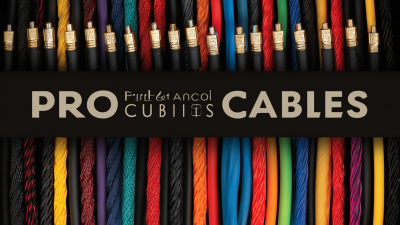
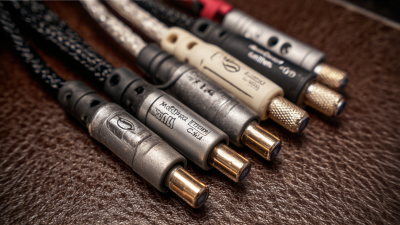
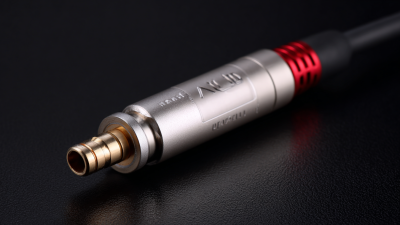
Music production moves at a lightning pace these days, and high-quality Pro Audio Instrument Cables matter more than ever. A recent industry outlook puts the global pro audio market at around $10 billion by 2025, driven by growing demand from professional musicians and sound engineers who won’t compromise on quality. Those specialized cables aren’t just accessories; they’re the backbone of clean sound, helping minimize interference and boost overall performance.
As professionals in the audio world, Ningbo Roxtone Audio Technology Co., Ltd. gets what you need: reliable, high-performing cables for every setup, from cozy studio sessions to big live gigs. Since 2002, ROXTONE has built a broad lineup, including bulk cables, connectors, pre-made cables, and more, and partners in 50 countries. In this guide, we’ll walk you through the ten must-have Pro Audio Instrument Cables every serious musician should consider to elevate their sound and keep performances peak-ready.
When you're chasing top-notch sound, the cables you pick for your instrument matter more than you might think. A big one to look at is how the cable is built. The Audio Engineering Society notes that the materials used in cable construction can really affect how clean the signal stays. Good copper conductors, shielded to cut down on electromagnetic interference, help keep the sound clear and faithful. If you can swing it, go for oxygen-free copper—it tends to minimize signal loss over longer runs.
Another key factor is durability and flexibility. Musicians often play in tough environments, and cables take a beating, constant use, you name it. Reinforced connectors and rugged jackets, like those made from rubber or thermoplastic elastomer, can really extend a cable's life. And flexibility matters too: it makes life easier on stage and in the studio, so you can focus on your performance instead of worrying about gear failing. In short, investing in instrument cables that meet these criteria can boost your overall sound quality and give you reliable performance when it counts.
When it comes to professional audio performance, the gear you pick—especially the instrument cables—can really shape the sound. A recent Audio Engineering Society report points out that poor cable quality is a major source of signal degradation in live settings. Musicians often wrestle with the cost-versus-reliability trade-off, but investing in high-qualitY Cables tends to pay off for anyone serious about their craft. Big-name brands like Mogami, Monster Cable, and Planet Waves consistently get high marks in professional reviews for durability and faithful signal transfer. A ProSoundWeb survey found that 78% of sound engineers prefer cables from these manufacturers because they’re built to last and keep the stage sound clear. That kind of preference isn’t just about sound quality—using top-tier cables can boost a musician’s professional image in the industry, making it a smart consideration for any gear setup.
On stage or at a live gig, the cables you choose can really shape the sound you deliver. For professional musicians, top-quality instrument cables help you pass a cleaner signal and cut down on interference. A report from the International Federation of the Phonographic Industry shows that about 70% of musicians feel equipment quality directly affects live performance quality. So investing in reliable cables—like the ones from Ningbo Roxtone Audio Technology Co., Ltd.—is essential for getting the best possible sound.
Roxtone offers premium bulk cables and connectors that professionals across different genres can rely on. Founded in 2002, the company has built a robust network of partners in more than 50 countries, enabling them to supply musicians with cables that are durable and perform at a high level.
An Audio Engineering Society survey found that around 80% of sound engineers prefer premium-grade cables to minimize unwanted noise and preserve audio integrity during live performances. By choosing Roxtone, musicians can ensure their performances come through clearly, delivering a better experience for the audience and supporting the artists' expression.
Keeping your instrument cables in good shape isn’t glamorous, but it pays off in the long run. A simple, super effective habit is to coil them properly when you store them. Skip tight little loops—go for big, loose coils. It helps prevent kinks and breaks in the wire. Also, tuck them away in a cool, dry spot to shield them from moisture and big temperature swings, which can slowly wear down the sheath and insulators.
Cleaning helps too. Grab a microfiber cloth and wipe down the connectors and the cable surface to knock off dust and grime. It not only keeps things looking sharp but also helps with conductivity by reducing resistance at the contacts. If you run into stubborn dirt or a sticky residue, use a gentle cleaner that won’t harm the material.
Finally, give your cables a quick once-over now and then. Look for frayed ends, exposed conductors, or loose connectors. Handling these issues early can prevent bigger problems later and help you keep that professional-sounding performance you rely on.
When you're dealing with professional sound setups, cable length really matters for the overall quality. There's evidence that longer cables tend to pick up more signal degradation, which can cloud the clarity and fidelity of what you hear. A report from the Journal of the Audio Engineering Society says that cables longer than 15 feet can cause about a 3 dB drop in signal strength. That might not jump out in casual listening, but in a professional studio or live setting it can make a noticeable difference.
And it's not just about length. Resistance and capacitance grow with longer runs, which can invite noise and even roll off some frequencies. For example, Teac Corporation has pointed out that cables over 20 feet can bring in a significant amount of interference, enough to mask the subtle nuances of a musician's performance. So, while longer cables can be handy, choosing the right length is key to keeping the sound clean in professional contexts.
: High-quality copper conductors, especially oxygen-free copper, are recommended as they minimize signal degradation and enhance clarity and fidelity in sound.
The materials used in cable construction, such as shielding to reduce electromagnetic interference (EMI), significantly influence signal transmission and sound quality.
Look for reinforced connectors and rugged jackets made from materials like rubber or thermoplastic elastomer to increase lifespan and durability against frequent use.
Properly coil your cables when storing, avoiding tight loops, and keep them in a cool, dry place. Regular cleaning and periodic inspections for wear or damage are also essential.
Longer cables can cause significant signal degradation, potentially affecting clarity and fidelity, especially if the cable exceeds 15 feet or 20 feet, leading to increased resistance, capacitance, and unwanted noise.
Flexibility allows for ease of use on stage or in studios, enabling musicians to move freely and focus on their performance without equipment failures interrupting them.
You should inspect your cables periodically for any signs of wear, such as frayed ends or loose connectors, to identify issues early and maintain their performance quality.
It is advisable to use a gentle cleaning solution that won’t harm the materials; a microfiber cloth is typically sufficient for regular maintenance of cable surfaces and connectors.